Suid-Afrika het 709 koronavirusgevalle met Gauteng die brandpunt

Die getal Covid-19-sake in SA het tot 709 gestyg, ‘n toename van 155 op die vorige dag, het Zweli Mkhize, minister van gesondheid, Woensdagoggend gesê.

Die grootste toenames in die aangemelde gevalle sedert Dinsdag is in Gauteng (64), Wes-Kaap (61), KwaZulu-Natal (11) en die Vrystaat (15), het hy in ‘n onderhoud met die SAUK gesê.

Die ANC-minister het gesê dat die konsentrasie van gevalle rondom Mangaung in die Vrystaat kommerwekkend is, en dat die Rooi Kruis die departement van gesondheid help om mense op te spoor wat by ‘n kerkbyeenkoms was wat bygewoon is deur vyf reisigers van oorsee wat positief vir die siekte getoets he .

‘Dit is ‘n groot bekommernis,’ het hy gesê en Mangaung beskryf as ‘n opkomende episentrum.

Daar is ook groepe van Covid-19 in Sandton, Ekurhuleni, Tshwane en Kaapstad, het hy gesê.

Die belangrikste bron van die siekte was reisigers uit Europese lande, maar daar was ‘n toenemende aantal gevalle van binnelandse oordrag, het hy gesê.

Volgens die minister was daar geen sterftes nie, en slegs twee pasiënte verkeer tans in hoësorg. Vyf van die eerste gevalle het heeltemal herstel en negatief getoets vir Covid-19.

Drie gesondheidsorgwerkers het tot dusver positief getoets vir Covid-19, het hy bygevoeg.

Mkhize het gesê dat die nasionale inperking van drie weke wat president Cyril Ramaphosa Maandagaand aangekondig het, bedoel is om die plaaslike oordrag van die virus te vertraag deur die kontak tussen mense soveel moontlik te beperk, met die fokus op die voorkoming van groot groepe mense wat saam verkeer.

Mense kan egter steeds gaan draf of met hul hond gaan stap, het hy gesê.

“Daar behoort nie ‘n probleem daarmee te wees nie,” het hy gesê.

Die inperking sal vanaf middernag op Donderdag in werking tree, en stel streng beperkings op die beweging van mense, wat na verwagting tuis sal bly, behalwe vir inkopies vir noodsaaklikhede soos kos en medisyne, om gesondheidsorg te bekom of maatskaplike toelaes te ontvang.

Noodsaaklike werkers, waaronder mense wat in gesondheidsorg, nooddienste, die polisie en weermag werk, asook in die vervaardiging en verspreiding van noodsaaklike voorrade soos voedsel en farmaseutiese produkte, word van hierdie maatreëls onthef.

Mkhize het Suid-Afrikaners aangemoedig om die regering se oproep om sosiale interaksie te beperk, te eerbied en gesê dat die sluiting nie bedoel is om ‘n vakansie van drie weke te wees nie. As mense versuim om die reëls vir die inperking in ag te neem, sou dit nie werk nie, het hy gesê.

Medeskepper van Asterix sterf op 92

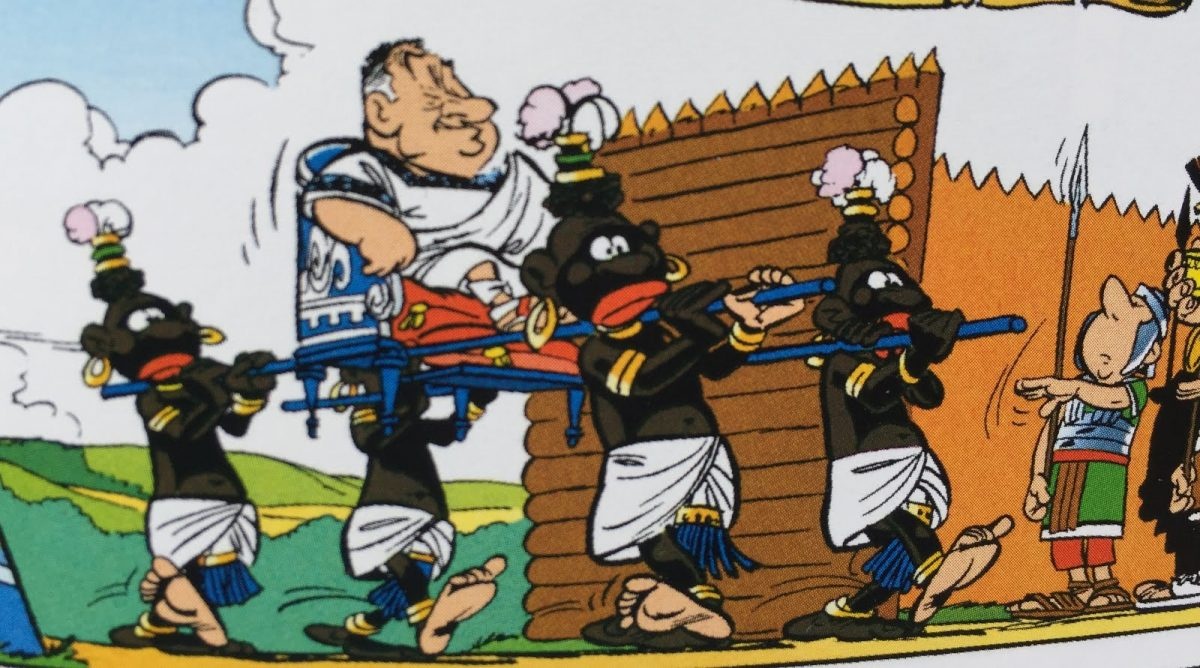
Die legendariese Albert Uderzo – illustreerder, skrywer, humoris, geskiedkundige, nasionalis en een helfte van die duo Goscinny & Uderzo wat vir ons Asterix gegee het – is nie meer nie. Hy is vanoggend in sy huis in Neuilly, Frankryk, oorlede. Volgens sy skoonseun, Bernard de Choisy, was Uderzo afgemat gewees die afgelope ruk en het oplaas aan ʼn hartaanval wat geen verband hou met die Sjinese virus nie, gesterf.

Uderzo en sy skeppersmaat, René Goscinny, het die eerste Asterix-boek die lig laat sien in 1959. Dit het die strokiesprent verhef tot iets meer as pulpleesstof. Dit was briljante satire met uitspattige karakters, ondeunde storielyne, dubbelkantige uitdrukkings en algemene draakstekery, alles in die gloed van ʼn vurige Franse nasionalisme. Goscinny was die skrywer daarvan en Uderzo het dit geïllustreer. Anders as die ietwat infantiele styl van Amerikaanse strokies, was sy tekenstyl ʼn baanbrekende vermenging van die absurde en die aangrypende.

Asterix was die poort vir vier geslagte nie net na ʼn strokiesprokieswêreld nie, maar na die ruim van noukeurige en aangrypende geskiedenis.Goscinny & Uderzo se vlymskerp satire het geen volk of ras ontsien nie en dit sal lank neem voor die politiek-korrekte tydsgees iets soortgelyks weer sou toelaat.

Eskom vra privaatkragleweransiers om te help

Eskom is nou van plan om oorskotkrag van bestaande kragopwekkingsaanlegte aan te koop. Dit is ʼn aanduiding dat die kragvoorsiener sy beleid jeens privaatkragverskaffers aangepas het. Hoewel Eskom voorheen tydens noodomstandighede sodanige krag aangekoop het, was die staatsmaatskappy tot dusver traag om dit te doen aangesien dit nie strook met hulle kommunistiese model nie.

Eskom het nou op die regering se tenderwebwerf voorstelle vir kraglewering aangevra van privaatinstellings met die vermoë om ten minste 5 megawatt se surpluskrag te lewer.

Dié maatreël is ʼn tydelike een en volgens die voorstelaanvraag is die langste wat so ʼn kontrak sal duur 36 maande.

Energiekenners meen dit is egter te betwyfel of Eskom homself sal kan speen van sodanige private kragbydrae.

Japannese griepmiddel laat Italië hoop skep

Italië vestig nou hoop op, Avigan, ʼn Japannese middel om die Sjinese virus te beveg.

Die regering het die groen lig gegee “om ʼn eksperimenterings- en navorsingsprogram te ontwikkel om die uitwerking van die middel (Avigan) tydens die vroeë fases van die siekte te evalueer.” Aldus die Italiaanse Minister van Gesondheid, Roberto Speranza, na afloop van ʼn vergadering van die Tegnies-wetenskaplike komitee.

Volgens die Raadslid vir die Begroting, Davide Caparini, is Avigan as ʼn voorskriflose middel in Japan beskikbaar sedert 2014 waar dit suksesvol as griepwerend gebruik is. Hy het beklemtoon dat die Italiaanse navorsers nog moet vasstel tot watter mate die middel suksesvol sal wees.

Die navorsingseksperimente sal onmiddellik afskop in Lombardye.

ʼn Generiese middel, Favipiravir, is deur die Toyama Chemiese Maatskappy, ʼn filiaal van Fujifilm, ontwikkel en vir Covid-19-pasiënte toegedien in Sjina.

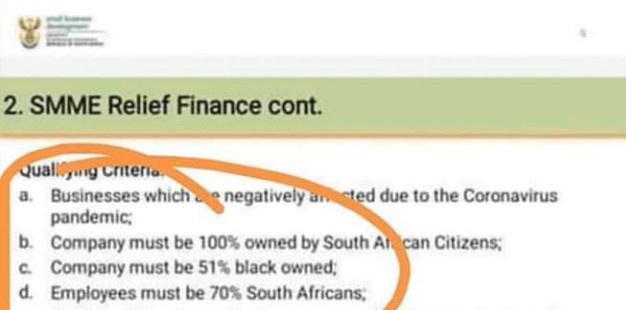
Brief: ANC-bewind gaan blanke kleinsake uitsluit van Covid-19-hulp!

30% Buitelanders het meer waarde vir die regering as sy wit burgers.

Swart werkers in die diens van nie-SEB-maatskappye suig ook duidelik aan die agterspeen.

Dit is ongelooflik dat ‘n regering in ‘n krisissituasie soos hierdie nog teen sy eie burgers kan diskrimineer op grond van velkleur.

Afgesien van die onmenslikheid en kortsigtigheid hiervan, is dit ook ‘n groot verleentheid vir SA want dit is seker die enigste land ter wêreld waar ‘n regering so kortsigtig is.

Self en ek glo baie ander ook, het ek gehoop dat hierdie tipe rassisme ten minste in hierdie moeilike tyd, sal verdwyn.

Duidelik is dit nie die geval nie.

Die ANC kies nie die land nie, maar kies steeds sy NDR-ideologie.

En steeds gaan wit boere elke dag hard werk om te verseker daar is kos vir ALMAL… net om later weer te hoor, ons wil julle nie eintlik hê nie.

Maar ons moet positief bly, aanhou bid, en toegee en toegee… die geduld raak nou op!

Suid-Afrika gaan van Vrydagoggend vroeg in “lockdown” wees. Pleks dat die land fokus op die bekamping van COVID-19, is die fokus op ‘n klomp rassistiese SEB-maatreëls wat versteek is in die finansiële hulp wat president Cyril Ramaphosa Maandagaand aangekondig het. Dit is jammer dat baie energie nou in die verkeerde rigting gaan.

Italië gaan deur ‘n lewende hel. Lombardye in Italië het ‘n maand gelede 750 hoësorgbeddens gehad. Nou het hul meer as 3000 hoësorg- COVID-19-pasiënte.

—Koot van der Ryst

Word lid van die groep van onskuldige Afrikaners

Hiermee word u uitgenooi om lid te word van die Groep van onskuldige Afrikaners.

Ons weier om om verskoning te vra vir die optrede of beleid van enige Boere- of Afrikanerregering in die verlede sedert 1652, veral nie vir sogenaamde “apartheid” nie.

Feit is dat feitlik alle groepe (Afrikaners, Engelse, bruines, Indiërs, swart etniese groepe) in die verlede aan allerlei vorme van segregasie en self-segregasie deelgeneem het, en dit tot vandag toe doen. Geen ander groep het tot dusver daarvoor om verskoning gevra nie; waarom sou ons?

Op die vasteland van Afrika beklee Afrikaners die eerste posisie sover dit regverdige en menslike optrede betref. Anders as die koloniale moondhede en verskeie postkoloniale state op die vasteland, het ons ons nog nooit aan georganiseerde massamoord, marteling, terreur of etniese suiwering skuldig gemaak nie.

Daarom is ons onskuldig en amper moreel onkreukbaar. Ons verteenwoordig ‘n voorbeeld van wetsgehoorsaamheid, selfbeheersing en etiese optrede in die aangesig van intense vyandigheid, terreur en onreg, in die verlede soos in die hede.

Trouens, vele ander groepe in die land behoort ons om verskoning te vra vir hul groteske misdade soos die Britse konsentrasiekampe, die 200 voorvalle van terreur in die tagtigerjare, steun vir kommunisme wat op sigself ‘n misdaad teen die mensdom was, asook ons huidige verdrukking by wyse van kulturele, talige en rassediskriminasie, plaasmoorde en die aanhoudende diefstal van ons bates, hetsy deur gemeneregmisdaad, hetsy deur amptelike wetgewing soos “onteiening sonder vergoeding”.

Ons verwerp enige opportunistiese poging deur sogenaamde “wit Afrikaners wat deur apartheid bevoordeel is” om namens Afrikaners te erken dat hulle as groep aan ‘n vergesogte “misaad teen die mensdom” skuldig is, nóg dat óns meer as enigiemand anders in die verlede bevoordeel of benadeel is. Hierdie poging word gemotiveer deur intellektuele oppervlakkigheid, sikofansie en gedienstigheid aan die korrupte ANC-terroristebewind.

Weens die verdeeldheid wat daar tans heers, sowel tussen die onbenullige kliek van Kruiperkaners en gewone Afrikaners, asook tussen die regime en die meeste minderheidsgroepe, is geen demokratiese debat moontlik nie. Boonop word streng sensuur deur die ANC-gedienstige hoofstroommedia toegepas sodat geen dissidente mening geduld of selfs buite die internet om gepubliseer mag word nie.

Nietemin wil ons die skuldige “wit Afrikaners” vra om te besin oor hul onsinnige, onnosele standpunte wat die huidige klimaat van Boerehaat en etniese wrewel jeens Afrikaners kan vererger omdat dit Anglo-Afromarxisme en ander vorme van ekstremisme onderskraag en aanhits.

Soos ons voorouers oor eeue heen, sal ons bly voorstry vir vryheid en geregtigheid.

Maar bowenal is ons onskuldig in elke moontlike sin van die woord. Ons beaam dit met vreugde, teen die hele wêreld in.

Teken die onderstaande petisie indien u wil lid word van hierdie meningsgroep. En moenie vergeet om dié skakel te twiet en te deel op Facebook nie!

Eerste 4 lede:

Dr. Dan Roodt, skrywer en aktivis


Steve Hofmeyr, sanger, skrywer en aktivis


Fransi Phillips, skryfster


Gustav Venter, skrywer, draaiboekskrywer en filmmaker


[emailpetition id=”2″]

[signaturelist id=”2″]

Leon Lemmer: Die Anglo-Boereoorlog: Die onmin tussen Boer en Brit (Deel 2)

Ter aanvulling van my vorige rubriek (Praag 14.03.2020) bespreek het nog twee minder bekende boeke oor die Anglo-Boereoorlog (ABO) wat in daardie era gepubliseer is.

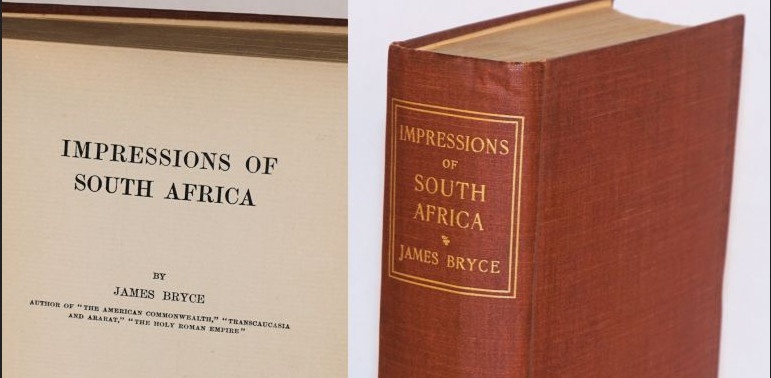
Impressions of South Africa

James Bryce (1838-1922) was ‘n Britse historikus en politikus. Vanweë studie in Duitsland het hy groot waardering vir die Duitsers gehad. “There are no better colonists than the Germans” (bron hier onder, Kindle 5713). Hy erken darem dat in die Zuid-Afrikaansche Republiek (ZAR)/Transvaal “most of the Germans, moved by anti-British feeling, favoured President Kruger’s Government” (6157). Bryce was later die sekretaris/minister vir Ierland (1905-1907) en die Britse ambassadeur in Amerika (1907-1913). Hy het Suid-Afrika in 1897 besoek en die volgende boek gepubliseer: Impressions of South Africa (London: Macmillan, 1897, 1898, 1899, 423p; Amazon Kindle $3,44). Bryce was ‘n voortreflike akademikus en het deeglike, omvattende navorsing oor Suid-Afrika gedoen.

Sy ideaal as historikus was om objektief te wees. Hy kry dit soms reg, maar ander kere is hy kenmerkend Brits en is hy skynbaar nie in staat om buite die destydse geykte raamwerk te dink nie. Hy skryf bv: “The British Government has been perfectly impartial” (6726) en “It may nevertheless be truly said for the British Government that it almost always sought to act justly” (6753), asook “The mother country never interferes with any matters of colonial concern, unless in the rare cases where a matter primarily local may affect the general relations and interests of the whole empire” (6980). Om die een of ander rede aanvaar Bryce sonder meer dat Suidelike Afrika Britse koloniale eiendom mag en moet wees. ‘n Mens kon ook nie verwag dat hy na ‘n enkele besoek gesaghebbend oor alle plaaslike onderwerpe sou skryf nie. Tydens die ABO was sy boek baie invloedryk in Brittanje. Soms sê hy die Afrikaners uiters sleg; ook die swartes, wat hy dink soos kinders behandel moet word – in ooreenstemming met ‘n standpunt wat destyds wye aanhang in Brittanje en Europa geniet het.

Wat hom van Suid-Afrika opgeval het, is dat “the country is a black man’s country” (5239). “All unskilled work is done by black people” (5286). “As servants in stores [blacks] are little more prone to petty thefts than are Europeans” (5306). “Taken as a whole, they [blacks] are a quiet and orderly people, not given to crimes of violence, and less given (so far as I could gather) to pilfering than are the negroes of the Southern States of America. The stealing of stock from farms has greatly diminished. Assaults upon women, such as are frequent in those States, and have recently caused a hideous epidemic of lynching, are extremely rare” (4313). Volgens wat hy skryf, kan blanke Suid-Afrikaners van geluk spreek wat betref die meerderheidsgroep in die bevolking. Hulle, die swartes, “will in time show capacity, and tell you that their inferiority to white men lies less in mere intellectual ability than in power of will and steadiness of purpose” (5319).

Die Khoi-San (soos ons hulle deesdae noem) is die enigste inheemses. Die swartes is indringers wat uit die noorde gekom het (5245). Daar is enkele selfregerende Britse kolonies. Hoekom? “Because they have a European population that they [the British government] have been deemed fit to govern themselves” (5258). “The traveller in South Africa is astonished at the strong feeling of dislike and contempt – one might almost say of hostility – which the bulk of the whites show to their black neighbours” (5326). “This sense of annoyance is naturally more intense toward a race so widely removed from the modern European as the Kafirs are” (5333). “The laws of the Boer Republics are far more harsh than those of the English Colonies, and the Transvaal Boers have been always severe and cruel in their dealings with the natives. But the English also have done so many things to be deplored that it does not lie with them to cast stones at the Boers” (5346).

Rassesegregasie kom van ver af: “There is indeed a complete social separation. Intermarriage, though permitted by law in the British Colonies, is extremely rare, and illicit unions are uncommon” (5353). In die Engelse kerke “blacks are admitted along with whites to the sacrament of the Lord’s Supper; but this (so I was told) is not the case in the Dutch Reformed Church” (5360). “Apart from this social disparagement, the native does not suffer much actual wrong” (5373). “There are no lynchings, as in America, and the white judges and magistrates, if not always the juries, administer the law with impartiality” (5379). “Cape Colony has a so-called ‘curfew law’ [aandklokreëling], requiring natives who are out of doors after dark to be provided with a pass – a law which is found oppressive by the best class of natives, educated and respectable men, though defended as necessary for public order, having regard to the large black population of the lower class, and their propensity to drink and petty offences” (5379). Anders as in die Kaapkolonie staan daar in die ZAR-grondwet van 1858: “The people will suffer no equality of whites and blacks, either in state or in church” (5414).

Soms wek Bryce die indruk van voorbeeldige nugterheid: “It is easy for people in Europe, who have had no experience of the presence among them of a semi-civilized race, destitute of the ideas and habits which lie at the basis of free government, to condemn the action of these Colonies in seeking to preserve a decisive electoral majority for the whites. But any one who has studied the question on the spot, and especially any one who has seen the evils which in America have followed the grant of the suffrage to persons unfit for it, will form a more charitable judgment” (5441). Maar die armsalige FW de Klerk en sy groepie meelopers het eerstehandse kennis van die plaaslike omstandighede gehad en nogtans toegegee aan die eis van swart meerderheidsregering. “To toss the gift [not right] of political power into the lap of a multitude of persons who are not only ignorant, but in mind children rather than men, is not to confer a boon, but to inflict an injury” (5448). “The black man accepts the superiority of the white as part of the order of nature. He is too low down, too completely severed from the white, to feel indignant” (5455). “Each race goes its own way and lives its own life” (5462).

Tereg vestig Bryce die aandag op die deurslaggewende demografiese verskil tussen Amerika en Suid-Afrika: “In the whole Unites States the whites are to the blacks as ten to one; in Africa south of the Zambesi it is the blacks who are ten to one to the whites” (5495). Myns insiens verduidelik dit heel moontlik waarom Amerika steeds welvarend is en Suid-Afrika nooit daardie hoogtes van sukses en voorspoed bereik het nie en sedert 1994 drasties agteruitboer. “In point of natural capacity and force of character the Bantu races are at least equal, probably superior, to the negroes brought from Africa to North America, most of whom seem to have come from the Guinea coasts. But in point of education and in habits of industry the American negroes are far ahead of the South African; for the latter have not been subjected to the industrial training of nearly two centuries of plantation life or domestic service,* while comparatively few have had any industrial contact with white workman, or any stimulation like that which the grant of the suffrage after the War of Secession [American Civil War, 1861-1865] has exercised upon a large section of the American negroes” (5502). “In both countries we see two races in very different stages of civilisation dwelling side by side, yet not mingling nor likely to mingle” (5508). [* Dit is een van die voordele van slawerny. Die swartes in Suidelike Afrika was nooit slawe nie.]

Bryce skryf hierdie profetiese woorde: “No traveller can study the colour problem in South Africa without anxiety – anxiety, not for the present, but for the future” (5515). Dit is onwaarskynlik dat selfs die grootste pessimis of die grootste veragter van die Afrikanerdom kon voorsien dat ‘n groepie blanke Afrikaanssprekendes ná verloop van minder as ‘n eeu, sedert die publikasie van Bryce se boek, feitlik ongekwalifiseerd aan die eise van swart mag sou toegee. Bryce voorspel ook: “Probably in the long run English will prevail and become the common speech of the southern half of the continent” (5530). Dit is besig om te gebeur vanweë die 1990/94-dwaasheid waarvolgens die politieke mag aan die terroristiese SWAPO en ANC toevertrou is. Vóór 1990 was Afrikaans die algemene spreektaal in sowel Suid-Afrika as Namibië en was Afrikaans in ‘n uitstekende posisie om die enigste amptelike taal in albei lande te word. Die bevolking, met Engels as spreektaal, “will form to a far greater extent than now a homogeneous mass pervaded by the same ideas and customs” (5530). Engels-eentaligheid is deel van die gelyk- en eendersmakingsproses van SWAPO en die ANC waarin Afrikaners en Afrikaans eintlik geen plek gegun word nie.

Vervolgens weerspreek Bryce hom egter oor homogenisering. “While thus constituting one vast black community, they will probably remain as sharply marked off from the whites as they are today. That there will be no intermarriage may safely be assumed from the fact that mixture of blood has greatly diminished since the days of slavery, just as it has diminished in the Southern States of America. White opinion universally condemns it, and rightly, for as things are now the white race would lose more by the admixture than the coloured race would gain” (5530). Bryce kon onmoontlik voorsien het dat die hoofstroom Afrikaanse inligtingsmedia, oftewel Naspers/Media24, binne ‘n eeu geen steen onaangeroerd sou laat om interrassige huwelike, asook sodanige seksuele verhoudings, aan te moedig en te verheerlik nie. Dieselfde word in die geval van selfdegeslaghuwelike en -verhoudings gedoen; verskynsels wat in Bryce se tyd nie geduld is nie.

Bryce voorspel voorts: “The Kafirs will be far more generally educated than they are now, and will have developed a much higher intelligence. That they will remain inferior to the whites in all intellectual pursuits and in most handicrafts may be concluded from American experience” (5536). “The day will arrive when South Africa will see itself filled by a large coloured [non-white] population, tolerably homogeneous, using the same language, having forgotten its ancient tribal feuds” (5536). “When will that day arrive? Probably not for at least a century, possibly not for two centuries” (5543). Hiervolgens het FW de Klerk se staatsmanskap ‘n eeu te vroeg sy opwagting gemaak. “Fast as the world moves in our time, it must take several generations to develop a race so backward as the Kafirs” (5543). “When, perhaps in the twenty-first century, the native population has reached the point of progress we have been imagining, the position may be for both races a grave or even a perilous one … the preponderance of numbers on the black side may make it more serious than it could be in the United States” (5550). Een van die dinge wat die koloniale owerheid dadelik ivm “this native problem” moet doen, is “keep them from flocking as a loafing proletariate into the towns” (5557). Plaaslik is instromingsbeheer en aandklokreëlings egter reeds lank gelede afgeskaf. “Could he [the average white] be got to feel more kindly toward the native, and to treat him, if not as an equal, which he is not, yet as a child, the social aspect of the problem – and it is the not least serious aspect – would be completely altered” (5564).

Bryce verwys na wat die historikus, George McCall Theal (1837-1917), oor die plaaslike sendelinge geskryf het. “They used to bring groundless or exaggerated charges against the Boer farmers, and always sided with the natives, whatever the merits of the case” (5659). Maar Bryce laat hom ook ongunstig oor die Afrikaners uit. Hulle is glo “slow” [slapgat?] (5687) en “suspicious” (5693). “The women are usually ill-educated and often unattractive … That love of cleanliness for which their kinsfolk in Holland are famous has vanished under the conditions of a settler’s life and the practice of using negro servants, and they are now apt to be slatternly” (5693). “The [white] population is so extremely thin, the towns so few and so small, that it is not surprising that a people who came out from the least educated strata of society in Holland should, under the difficult conditions of a settler’s life, have remained at a low level of mental culture” (5699).

Die plaaslike Britte was anders, glo beter, as die Afrikaners. “They have more enterprise than the Dutch, and are much less antiquated in their ideas” (5706). “Partly from their desire to be unlike the Dutch, they have remained markedly English, both in their speech, in their ideas, and, so far as the differences of climate permit, in their way of life. Nevertheless, they have been affected by the Dutch. They have taken from the latter the aversion to field labour, the contempt for the blacks, the tendency to prefer large pastoral farms to agriculture, and, in some districts, a rather sleepy and easy-going temperament” (5706). “The Englishman will deride the slowness of the Dutchman, the Dutchman may distrust the adroitness or fear the activity of the Englishman” (5719).

Oorafhanklikheid van swart arbeid is inderdaad een van die groot struikelblokke wat in die pad van ‘n Afrikaner-tuisland staan. Ons sal moet leer om alles self te doen, self handearbeid te verrig, dus ook in daardie opsig onafhanklik te wees. Oor plaaslike arbeid skryf Bryce: “Labour is neither cheap nor good” (6622). “In South Africa skilled labour is dear because scarce, and unskilled labour is dear because bad … black labour is seldom effective labour … they [blacks] are often changeable and unstable, apt to forsake their employment for some trifling cause … a white labourer at twice the price would, for most kinds of work, be cheaper” (6542).

“Severed from Europe and its influences two hundred years ago, they [the Transvaal Boers] have, in some of the elements of modern civilisation, gone back rather than forward” (6030). “Living in the open air, and mostly in the saddle, they are strangely ignorant and old fashioned in all their ideas … They dislike and despise the Kafirs” (6037). “They hate the English also, who are to them the hereditary enemies that conquered them at the Cape; that drove them out into the wilderness in 1838; that annexed their Republic in 1877, and thereafter broke the promises of self-government made at the time of the annexation; that stopped their expansion on the west by occupying Bechuanaland, and on the north by occupying Matabililand and Mashonaland; and that were still, as they believe, plotting to find some pretext for overthrowing their independence. This hatred is mingled with a contempt for those whom they defeated at Laing’s Nek and Majuba Hill, and with a fear born of the sense that the English are their superiors in knowledge, in activity, and in statecraft. It is always hard for a nation to see the good qualities of its rivals and the strong points of its opponents’ case; but with the Boers the difficulty is all the greater because they know little or nothing of the modern world and of international politics” (6042).

“Two centuries of solitary pastoral life have not only given them [the Transvaal Boers] an aversion for commerce, for industrial pursuits, and for finance, but an absolute incapacity for such occupations, so that when gold was discovered in their country, they did not even attempt to work it … the corruption of their Legislature shows that it is rather to the absence of temptation than to any superior strength of moral principle that these merits have been due. For politics they have little taste or gift” (6050). Oor die Transvaalse Grondwet skryf Bryce: “Enacted in 1858 and partly based on a prior draft of 1855. it is a very crude, and indeed rude, instrument, occasionally obscure, and containing much matter not fit for a constitution” (6084). “In 1881, when the Republic recovered its independence, there were neither roads, railways, nor telegraphs in the country. Its towns were rough hamlets planted round a little church. Its people had only the bare necessaries of life” (6098).

Bryce keer terug na die taalkwessie. “The hold of Dutch [Afrikaans] is so strong that it will probably continue to be spoken in the Colony for two generations at least” (5733). Die plaaslike Nederlands “adopted many Kafir or Hottentot words, and having become vulgarized into a dialect called Taal, which is almost incapable of expressing abstract thought or being a vehicle for any ideas beyond those of daily life … This defect might give English a great advantage if the Boers wished to express abstract ideas. But they have not this wish, for they have no abstract ideas to express. They are a people who live in the concrete” (5740). Volgens Bryce is daar net drie plaaslike skrywers wat vermelding verdien: Robert Pringle, Olive Schreiner en William Charles Scully,” die outeur van Kafir tales (5777). Al drie is Engels. “The Dutch section is practically disqualified by its language (which, be it remembered, is not the language of Holland, but a debased dialect) from literary composition, even were it otherwise disposed to authorship. Literature will always, I think, remain English in character, bearing few or no traces of the Dutch element in the people” (5784).

Bryce verwys na iets wat hy sekerlik sou toeskryf aan die voortreflike voorbeeld wat die Britte stel: “The high level of decorum maintained in the Cape Parlement, where scenes of disorder are, I believe, unknown, and violent language is rare” (5753). Sedert 1994 het die situasie in die parlement in hierdie opsigte ingrypend verander. “I heard of little or nothing amounting to corruption. Elections were said to be free from bribery” (5999). Sedert 1994 het die situasie in hierdie opsigte ook radikaal verander.”The suffrage [in Cape Colony] is so wide as to admit nearly all the whites, and there is, of course, no desire to go lower and admit more blacks” (5932). Politieke kwessies “turn not, as in the Southern States of America, upon the political rights of the black man (for on this subject the ruling whites are in both Colonies [Cape and Natal] unanimous, but upon land rights and the regulation of native labour … One cannot say that there exist pro-native or anti-native parties, but the Dutch are by tradition more disposed than the English to treat the native severely, and, as they express it, keep him in his place. Many Englishmen share the Dutch feeling, yet it is always by Englishmen that the advocacy of the native case is undertaken” (5946).

“The rapid increase of Indian immigrants in that Colony [Natal] alarmed the whites, and led to the passing, in 1896, of an Act which will practically debar these immigrants from political rights” (5441). “In Natal both races [English and Afrikaans whites] are equally anti-Indian” (5946). Nog iets wat Bryce oor Natal skryf, is: “The south-coast Kafirs far outnumbered the whites, were full of courage, had a rough and thickly wooded country to defend, and were so ignorant as never to know when they were beaten. A more intelligent race might have sooner abandoned the contest” (6740).

In anti-Afrikaner geledere word die Voortrekkers dikwels kwalik geneem omdat hulle met die oog op selfbehoud laer getrek het. Deesdae is die oproep uit dieselfde oord “ontlaering” (gebruik in hierdie verband die soekfunksie op LitNet), dus dat die Afrikanerdom in sy swernoot moet gaan. Bryce doen dieselfde. Hy verkwalik die Transvaal omdat die vereistes vir burgerskap na die ontdekking van goud strenger gemaak is. Maar die Transvaal is in ‘n kort tyd deur Uitlanders verswelg, soortgelyk aan die versnelde verswelging deur inkommers waarmee ons sedert 1994 te make het. “There are about 65 000 Boers, all told, and about 24 000 male citizens over the age of sixteen. The … Uitlanders numbered nearly 100 000, of whom fully one-half were adult males” (6211). “Over against the Uitlanders stood the native Boer population … The majority, consisting of the old ‘true blues’, who hated the British Government and clung to their national ways, supported the Boer Government in its stubborn refusal to grant reforms” (6218). Oor Paul Kruger skryf Bryce: “Exercising by his constant harangues in the Volksraad, what has been called a ‘dictatorship of persuasion’, he warned the people that their customs, their freedom, their religion, were at stake, and could be saved only by keeping the newcomers out of power” (6225). “It was the Government of a small and ignorant minority, and, since they [the Uitlanders] believed it to be corrupt as well as incompetent, it inspired no respect” (6299).

In sy laaste hoofstuk skryf Bryce: “There has been a collision of two types of civilisation, one belonging to the nineteenth century, the other to the seventeenth. His isolation, not only in a distant corner of the southern hemisphere, but in the great, wide, bare veldt over which his flocks and herds roam, has kept the Boer fast bound in the ideas and habits op a past age, and he shrinks from the contact of the keen restless modern man, with new arts of gain and new forms of pleasure” (6693). Bryce het darem ook tot die volgende insig gekom: “An Afrikander patriotism of their own – a patriotism which is not Dutch, for they care nothing for the traditions of Holland, but purely Africander” (6700).* “On the other hand, the English of the Colony … have remained more thoroughly English than those of most British Colonies, and have never conceived the idea of severing their own connection with the mother country” (6713). By die Boere is daar “the wish to be left alone, and a stubborness of will that made independence seem more desirable the more it was threatened” (6719). Maar nóg die Britte nóg die swartes wou die Afrikaners met rus laat. Nie-Afrikaners, deesdae insluitende verloopte Afrikaners, gaan voort om hulle wense aan Afrikaners op te dring. [* Bryce weerspreek baie van wat hy geskryf het, wanneer hy teen die einde verklaar: “Those of Dutch origin, warm as is their Africander patriotism, have never been hostile to the British Crown” (6993).]

Die laaste toekomsblik wat Bryce hom veroorloof, het ook die kol gemis. “There is, of course the danger that a class may spring up composed of men unfit for the higher kinds of work [blacks?], and yet too lazy or too proud to work with their hands [Afrikaners?]; and some observers already discover signs of the appearance of such a class. If its growth can be averted the conditions for the progress and happiness of the white race in South Africa seem favourable; and we are approaching an age of the world when the quality of a population will be more important than its quantity” (6858). Sedert 1994 troon die voorkeur vir kwantiteit egter loshande bo kwaliteit uit.

Bryce vertolk die voorafgaande egter as ‘n toekoms wat gunstig vir die Britte gaan verloop. “The English-speaking element will, if the mining industry continues to thrive, become politically as well as economically supreme … A country must, after all, take its character from the large majority of its inhabitants, especially when those who form that large majority are the wealthiest, most educated, and most enterprising part of the population” (6913). Hy droom van ‘n onafhanklike “Anglo-Dutch Republic” (6967), “though under the protection and dignified by the traditions of an ancient and famous monarchy. Nor has it been fully realized that the Colonies derive even greater substantial advantages from the connection than does the mother country. The mother country profits perhaps [!] to some extent – though this is doubtful [!] – in respect of trade, but chiefly in the sentiment of pride and the consciousness of a great mission in the world which the possession of these vast territories, scattered over the oceans, naturally and properly inspires” (6973).

Heroes of the Boer War

Frederik Rompel (1870-1940) was ‘n Volkstem-joernalis en ‘n oorlogskorrespondent tydens die ABO. Hy het eerstehands met die leidende figure van albei partye kennis gemaak. Van hom is die volgende boek gepubliseer: Heroes of the Boer War (Nederland Publishing Company, 1903, 242p; Amazon Kindle R2,29). Die Kindle-weergawe is hoogs onvolmaak, maar teen die prys steeds die moeite werd om te lees.

Ná die stigting van De Burger in 1915 is DF Malan as die eerste redakteur aangestel. Malan het veral die hoofartikels geskryf en hom nie met die ander joernaliste en die produksie van die koerant bemoei nie. Hy het hom spoedig eerder “aan sy parlementêre loopbaan gewy en sy kantoor by De Burger het meestal leeggestaan. Die publiek was egter salig onbewus van die feit dat die meeste van De Burger se hoofartikels nou geskryf is deur die tegniese redakteur, Frederik Rompel – ‘n Nederlandse Katoliek van geboorte, met ‘n Joodse vrou wat intussen in die Afrikanergemeenskap opgeneem is. Rompel en sy kollega Louis Hiemstra [1897-1978] is in 1921 by De Burger aangestel. Saam het hulle die gehalte van die koerant verbeter” (Lindie Koorts, DF Malan en die opkoms van Afrikaner-nasionalisme, Kaapstad: Tafelberg, 2014, Kindle 3980).

Rompel se boek is die teenoorgestelde van Yves Guyot se boek (Praag 14.03.2020). Guyot het hom teen die Boere geskaar, terwyl Rompel die hoogste lof vir hulle het. Maar Rompel is nie heeltemal onkrities nie. Hy maak bv melding van die gebrek aan dissipline by sommige Boere, wat tydens die ABO na hulle huise of plase teruggekeer het wanneer dit hulle gepas het; ook die nadelige invloed wat die saamsleep van ossewaens met vroue en kinders op die oorlogsukses van die Boere gehad het. Heel aan die begin wys hy op die wydverspreide valse vertroue wat die Boere in koningin Victoria gehad het: “If your queen only knew” (Kindle 653).

In sy voorwoord skryf William Thomas Stead (1849-1912): “It is only by reading this book that we English can understand how it was that the whole non-English world regarded with horror and indignation the British devastation of the two Republics” (8). Stead noem die Britse optrede tydens die ABO inderdaad ‘n “crime against humanity” (19). Hierdie frase word deesdae teen apartheid misbruik. Verloopte Afrikaners, soos Willie Esterhuyse, Wannie Carstens, Lindie Koorts en André Bartlett (die gebruiklike verdagtes wanneer publisiteit vir hulleself ten koste van die Afrikanerdom gesoek word), het dit ANC-gedienstig onlangs weer ingevryf (Netwerk24, 23.02.2020). Wanneer bv plaasmoorde veroordeel word, skitter hierdie mense egter in hulle afwesigheid.

Ek vind dit interessant dat Stead in hierdie konteks na Andreas Hofer (1767-1810) verwys as “that indomitable Boer of the Tyrol” (28) – kyk Wikipedia. In sy inleiding vergelyk Albert Pfister die setlaars in die Nuwe Wêreld/die Amerikas met die Kaapse Hollanders: “They had not the stamina of the hardy settlers at the Cape” (151). Hulle het mettertyd as Boere die binneland in getrek. Hulle was “strong, virtuous, self-reliant” (160).

Rompel beskryf agtereenvolgend en in besonderhede die volgende Afrikanerhelde, sommige waarvan later geblyk het nie danige helde te wees nie: Paul Kruger, MT Steyn, WJ Leyds, ADW Wolmarans, Cornelis Wessels, Abraham Fischer, Schalk Willem Burger, FW Reitz, PJ (Piet) Joubert, PA (Piet) Cronjé, Louis Botha, Christiaan de Wet, JH (Koos) de la Rey, Ben Viljoen, Danie Theron, JBM Hertzog, JC (Jan) Smuts, SG Maritz, GJ (Gideon) Scheepers en PH Kritzinger.

Rompel het ook groot lof vir Afrikanervroue gehad, waaraan ‘n aparte hoofstuk gewy word. Hy haal MT Steyn soos volg aan: “Our women have gone through the fire of patriotism and not been found wanting. They will suffer patiently, if only we continue the sacred struggle for independence” (4071). Steyn word “the soul of the Africander resistance” genoem (1587). Ek volstaan met ‘n aanhaling van Christiaan de Wet: “A Boer first gets dangerous when you succeed in surrounding him” (3043). Deesdae het die plaaslike blankes met verswelging te make. Het die hedendaagse Boere/Afrikaners die murg in hulle pype om nie in hierdie onverdiende lot te berus nie, deur sorg te dra dat hulle situasie stelselmatig verbeter eerder as versleg?

Video: Die koronavirus mag dalk net die land verander

Die koronavirus leef veel langer in die lug en op oppervlaktes as wat mense dink. Daar is boonop 7,7 miljoen MIV-positiewe mense in Suid-Afrika, wat agt keer meer vatbaar vir longontsteking as gesonde mense is. Die gesondheids-en finansiële krisis wat ons nou in die gesig staar, het die potensiaal om die land heeltemal te verander.

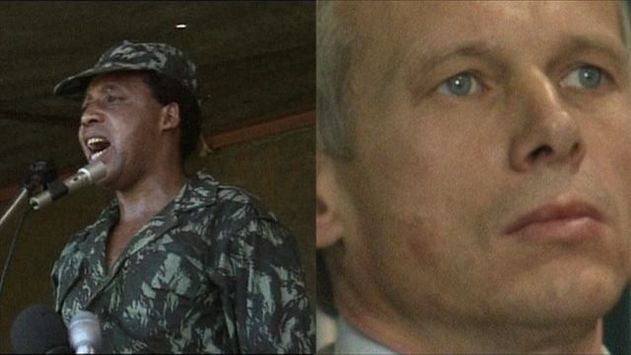
Brief: Janusz Walus langer in tronk as Nelson Mandela

Janusz Walus het een “politieke” moord op ‘n kommunis gepleeg maar sit nou effektief al langer as Nelson Mandela in die tronk wat ‘n dertig+jarige “burgeroorlog” en sanksies teen sy eie land gevoer het, wat duisende onskuldiges se dood tot gevolg gehad het (nou nog) en  nooit geweld wou afsweer nie, of “verskonings” aangebied het nie.
Mandela het eintlik “vrywillig” in die tronk vakansie gehou, met ‘n huis en swembad en al, en is selfs rondgery. Gee minstens vir Walus ook ‘n  swembad?
Hoe inkonskwent en skynheilig kan die ANC, Tutu en hul kommie-maatjies tog wees?
—Guy Robertson, Kampsbaai

Koronavirus kan ure lank in lug en dae op oppervlaktes oorleef

Volgens ‘n nuwe studie wat leidrade verskaf om mense te help om die respiratoriese siekte genaamd COVID te voorkom, kan die hoogs aansteeklike nuwe koronavirus wat in ‘n wêreldwye pandemie ontplof het, ure lank aansteeklik bly in druppels in die lug. Op oppervlaktes kan dit tot dae lank oorleef en steeds mense besmet.

Wetenskaplikes van die Amerikaanse National Institute of Allergy and Infectious Diseases (NIAID), wat deel uitmaak van die Amerikaanse National Institute of Health, het probeer om die virus wat van ‘n besmette persoon op alledaagse oppervlaktes in ‘n huishouding of hospitaal beland, na te boots soos wat gebeur as daar gehoes of aan voorwerpe geraak word.

Hulle het ‘n aërosol gebruik om die mikroskopiese druppels wat in ‘n hoes of ‘n nies geskep word, na te maak.

Die wetenskaplikes het toe ondersoek ingestel na hoe lank die virus op hierdie oppervlaktes aansteeklik bly, volgens die studie wat Dinsdag aanlyn verskyn het in die New England Journal of Medicine — dieselfde dag waarop die aantal Amerikaanse COVID-19-gevalle tot 5 200 gestyg het en sterftes nader aan 100 gekom het.

Die toetse toon dat wanneer die virus gedra word deur die druppels wat vrygestel word as iemand hoes of nies, dit steeds lewensvatbaar is of mense nog minstens drie uur lank in aërosols kan besmet.

Op plastiek en vlekvrye staal kan lewensvatbare virusse ná drie dae opgespoor word. Op karton was die virus ná 24 uur nie lewensvatbaar nie. Op koper het dit vier uur geduur voordat die virus skadeloos geraak het.

Dan Roodt: Korona en vleislus

Ek sit hier en moet besluit of ek oor ‘n dag of wat op die vliegtuig moet klim Frankryk toe of nie. Almal raai my af om te gaan, want die hele land is nou in ‘n toestand van afsondering: skole, restaurante, kafees, openbare plekke en alle winkels wat nie van lewensbelang is nie, is gesluit. Vandag vergader die Suid-Afrikaanse kabinet van die ANC-terroristebewind en waarskynlik gaan hulle ook drakoniese maatreëls afkondig. Ek sien nog kans vir Frankryk onder beleg van korona, maar ek is nie lus om by my terugkeer by Jan Smutslughawe iewers in ‘n ANC-konsentrasiekamp onder “kwarantyn” geplaas te word nie.

‘n Doktersvriend, wat my ook afraai om te vlieg, noem terloops dat hy nou self onder kwarantyn verkeer want hy moes ‘n week of wat gelede ‘n pasiënt uit Iran in Pretoria ondersoek en agterna het die man positief vir Covid-19 getoets. Gelukkig is my vriend darem tuis onder kwarantyn en nie in ‘n Proteahotel of ander vreemde plek tussen ander moontlike draers van die virus nie. Dit sal my nie pla om onder tuiskwarantyn te wees nie; ek sal net my kruideniersware aanlyn bestel en laat aflewer.

Die globale toestand waarin ons verkeer het my gister weer so ‘n bietjie laat wonder oor die vleisprobleem. Meeste mense hou van vleis en Chinese selfs van vlermuis- en ietermagôvleis. Of pas uitgebroeide klein voëltjies wat hulle sommer so uit die nes haal en lewendig opvreet; daar is so ‘n video op Twitter wat ek eerder nie hier sal plaas nie, dis te grillerig.

Die probleem lyk vir my só: As jy doer op ‘n plaas as bestaansboer leef met ‘n paar beeste en hoenders vir eie gebruik, met die diere wat vry rondloop, sal dit waarskynlik nie lei tot ‘n globale epidemie of pandemie soos tans nie. Maar sodra mense in groot stede in hul miljoene begin leef en diere op ewe groot skaal geteel, gevoer en geslag word om hulle te voed, ontstaan allerlei risiko’s. Sulke diere het geen natuurlike lewens nie en bring hul bestaan in eng ruimtes vol ontlasting, urine, virusse en bakterieë deur. Eintlik is hulle nie lewende wesens nie, slegs “vleis” wat “geproduseer” word.

Chinese eet blykbaar ook katte en honde. Dis seker insgelyks “vleis”, nes ‘n vlermuis of ‘n ietermagog.

Die probleem is egter dat die onhigiëniese toestande van Chinese “nat markte” waar diere terstond geslag en verorber word, ewe seer deur die hele “dierlike voedselketting” bestaan – ook in die Weste en in Suid-Afrika. Dis ‘n teelaarde vir mikro-organismes, soos die koronavirus, voëlgriep (SARS), varkgriep en die res.

Dis seker nie toevallig dat daar die afgelope tien tot twintig jaar telkens ‘n virale uitbraak was nie. Want ons skep die ideale toestande waaronder daardie virusse van dier tot dier, en van dier tot mens, oorgedra kan word. En soos wat die Chinese ryker geword het, het hul nuwe koopkrag hul vleislus aangewakker. Pleks dat hulle by rys en tofu gebly het!

Een antwoord is natuurlik om van vleis af te sien, nie omdat dit polities korrek of “goed vir die klimaat” is nie, maar omdat dit die planeet dalk veiliger kan maak. As dit so aanhou, gaan jy dit naderhand nie meer op straat kan waag sonder ‘n wit pak met ‘n helm en ‘n asemhalingstoestel nie, want die kieme gaan oral krioel.

Wie onthou nog malkoeisiekte? Terwyl almal nou gal braak oor China waar Covid-19 ontstaan het, vergeet hulle van malkoeisiekte oftewel bees- sponsagtige ensefalopatie (BSE) wat in die middeltagtigerjare in die Verenigde Koninkryk uitgebroei het. Sover ek dit verstaan, was dit te wyte aan die breine van dooie koeie wat aan lewende koeie gevoer is. Dis seker ‘n vorm van beeskannibalisme wat deur mense op dié arme diere afgedwing is. Een bees kon dit nie aan ‘n ander bees oordra nie, maar mense wat die besmette beeste eet, ontwikkel ‘n soortgelyke breinsiekte genaamd Creutzfeldt-Jakobsiekte wat gate in hul harsings veroorsaak. Hieroor bevat Wikipedia die volgende interessante inskrywing:

It is thought that humans can contract the variant form of the disease by eating food from animals infected with bovine spongiform encephalopathy (BSE), the bovine form of TSE also known as mad cow disease.

Cannibalism has also been implicated as a transmission mechanism for abnormal prions, causing the disease known as kuru, once found primarily among women and children of the Fore people in Papua New Guinea. While the men of the tribe ate the body of the deceased, women and children consumed other parts, such as the brain, and were more likely than men to contract kuru from infected tissue.

Ek leef van rys, tofu, neute, sade, groente en vrugte, en was nog nooit gesonder nie. Toenemend laat die eet van vleis my gril, of dit nou mensvleis, vlermuisvleis, ietermagôvleis, beesvleis, varkvleis, hoendervleis of wildsvleis is.

Ek het via Google op die volgende aanhaling afgekom:

“Meat and poultry producers must bear primary responsibility for keeping pathogens out of their products, but when it comes to beef, chicken, and other raw meats, restaurateurs and home cooks must treat them like hazardous materials and take steps to minimize risk,” said CSPI senior food safety attorney Sarah Klein. “Care should be taken to avoid spreading germs from the meat around the kitchen, and meat thermometers should be used to ensure that ground beef, chicken, and other meats are fully cooked.”

“Hazardous materials,” inderdaad.

Hier is iets oor tofu.

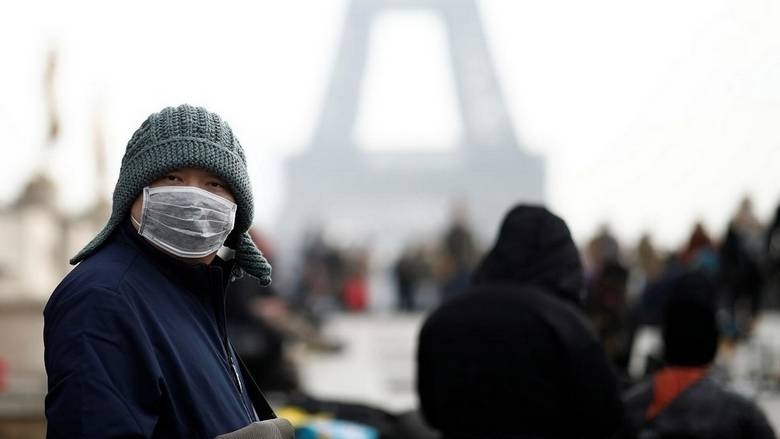
#Koronavirus: Franse regering kondig noodmaatreëls af

Van middernag vanaand word alle openbare plekke, d.w.s. restaurante, kroeë, bioskope, skole, ens. in Frankryk gesluit. Slegs die kinders van mediese personeel wat moet aanhou werk, sal skool toe gaan. Verder sal skole per rekenaar en internet funksioneer.
Die enigste winkels wat toegelaat word om oop te bly, is voedselwinkels en apteke.
 
Die aankondiging is sowat ‘n uur gelede deur die Franse eerste minister, Edouard Philippe, gedoen. Hy het ‘n beroep op die totale bevolking gedoen om die maatreëls “gedissiplineerd” na te kom.
 
Marokko het alle vlugte na Frankryk gestaak.
Oor die afgelope 72 uur het die aantal besmettings in Frankryk verdubbel en die nooddienste word oorlaai. Mense met geringe simptome word gevra om nie die noodnommer 15 te bel nie, maar slegs as hulle asemenhalingsprobleme ondervind.
 
Afgetrede dokters, verpleegsters, asook mediese studente word ten volle gemobiliseer om die epidemie die hoof te bied.
 
Die virus val nie bloot bejaardes en siek mense aan nie. Meer as vyftig persent van die ernstige gevalle is mense onder sestig.

Leon Lemmer: Die Anglo-Boereoorlog: Die onmin tussen Boer en Brit (Deel 1)

Twee van die bekendste boeke wat kort na afloop van die Anglo-Boereoorlog (ABO, 1899-1902) gepubliseer is, is Christiaan de Wet se Strijd tusschen Boer en Brit (1902) en JD Kestell se Through shot and flame (1903). ‘n Kindle-weergawe van albei is gratis beskikbaar. Ek het voorheen na hierdie twee boeke verwys (“Die aktualiteit van verraad,” Praag 8.10.2016). Kestell skryf: “The heart of the nation, as a whole, was still always faithful.” Hy sê dit ten spyte van die groot getal ABO-verraaiers in eie kring. Kan ons, ten spyte van die 1990/94-verraad, dieselfde van die meeste hedendaagse Afrikaanssprekende blankes beweer?

In hierdie rubriek bespreek ek twee minder bekende boeke oor die ABO. Albei is in die ABO-era gepubliseer. In my volgende rubriek beoog ek om nog twee sulke boeke te bespreek. Elk van hierdie rubrieke handel oor ‘n pro-Afrikaner- en ‘n anti-Afrikanerboek.

A century of wrong

Francis William Reitz jr (1844-1934) was ‘n merkwaardige Afrikaner: Hoofregter van die Oranje-Vrystaat (1876-1889), Staatspresident van die Oranje-Vrystaat (1889-1895), Staatsekretaris van die SA Republiek/Transvaal (1898-1902) en President van die Senaat (1910-1921). Hy het weens swak gesondheid as Vrystaatse president bedank. In die Transvaal was hy tweede in bevel, ná president Paul Kruger. In 1889 het Reitz en Kruger die verdedigingsverdrag gesluit wat albei die Boere-republieke in die Anglo-Boere-Oorlog (1899-1902) gedompel het. Reitz het die Vrede van Vereeniging (1902) in sy amptelike hoedanigheid onderteken, maar as bittereinder geweier om dit in sy persoonlike hoedanigheid te doen. Ná ondertekening het hy “na ‘n hoek geloop en in trane uitgebars.” Hy het as banneling in Nederland en Amerika gewoon (1902-1907), voordat veral Jan en Isie Smuts hom oortuig het om na sy geboorteland terug te keer. Hy het ‘n lid van die Nasionale Party geword en as president van die Senaat gesê: “I am still a Republican at heart” (Praag 1.07.2017).

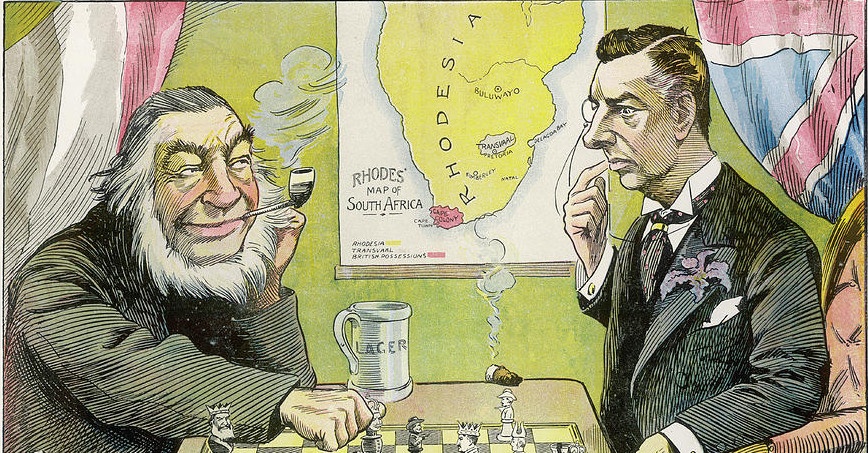
Die anti-Britse boek, Eene eeuw van onrecht / A century of wrong, waarvan Jan Smuts (1870-1950), die destydse Transvaalse staatsprokureur, die hoofouteur is, is in 1900 onder FW Reitz se naam gepubliseer. Die Engelse weergawe is onlangs hergepubliseer (Good Press, 2019, 177p; Amazon Kindle $3,16). Frederik Rompel (1870-1940) verduidelik waarom Reitz pleks van Smuts aanvanklik as die outeur aangedui is: Smuts “set himself to work on the Century of Wrong, the plan of which had been drafted by the State Secretary, who also gave instructions as to the tendency of the book” (Heroes of the Boer War, Nederland Publishing Company, 1903, 242p; Amazon Kindle $2,29, Kindle 3703). Die doel was om die Transvaalse saak amptelik te stel – vandaar die aanduiding van Reitz as outeur – en sodoende steun plaaslik en ook in Brittanje en elders te werf. Richard Steyn noem dat Jan Smuts se vrou, Isie (1870-1954), die oorspronklike Hollandse teks in Engels vertaal het (Jan Smuts: Unafraid of greatness, Johannesburg: Jonathan Ball, 2015, 296p; Amazon Kindle $16.64, Kindle 479). Ná Uniewording in 1910 het veral Smuts en Louis Botha, twee Boere-generaals, hulle vir samewerking tussen die blanke Afrikaans- en Engelssprekendes beywer. Smuts se outeurskap van ‘n Eeu van onreg het toe vir hom ‘n verleentheid geword. Die teks is immers ‘n uiteensetting van die onreg wat die Britte van 1806 tot 1899, dus oor bykans ‘n eeu, teen die Afrikaners gepleeg het.

Die voorwoord by Smuts se boek is deur William Thomas Stead (1849-1912) geskryf. Hy het saam met die Titanic gesink. Hy was ‘n Britse joernalis en pasifis wat hom aan die kant van die Boere in die ABO geskaar het. Stead skryf: “That the Dutch in South Africa have treated the blacks as the English in other colonies have treated the aborigines is probably true, despite all that Mr Reitz can say on their behalf. But, whereas in Tasmania and the Australian Colonies the black fellows are exterminated by the advancing Briton, the immediate result of the advent of the Dutch into the Transvaal has been to increase the number of natives from 70 000 to 700 000, without including those who were attracted by the gold mines … The English … have undoubtedly a higher ideal as to the theoretical equality of men of all races; but on the spot the arrogance of colour is often asserted as offensively by the Briton as by the Boer. The difference between the two is, in short, that the Boer has adjusted his practice to his belief, whereas we believe what we do not practice” [!] (Kindle 110).

“So far as Mr Reitz’s authority goes we are justified in saying that the war was brought about by the persistence of Mr Chamberlain in reviving the claim of suzerainty which had been expressly surrendered in 1884, and which from 1884 to 1897 had never been asserted by any British Government” (151). “When Mr Reitz wrote his book he did not know that immediately after the [Jameson] Raid [1895] the British Government began to accumulate information, and to prepare for the war with the Republic which is now in progress” (178). “The white population is given at 288 000, of whom the Outlanders number 80 000, and of the Outlanders 30 000 are given as of British descent” (190).

“Mr Reitz breaks off his narrative at the point immediately before the Ultimatum … The Ultimatum was dated October 9th. It was the natural response to the menace with which the British government had favoured them three days previous, when on October 6th they issued the formal notice calling out the Reserves for the avowed object of making war upon the South African Republic” (215). Max Nordau (1849-1923) word soos volg aangehaal: “The fact that a tiny people faces death without hesitation to defend its independence against an enemy fabulously superior in number, or to die in the attempt, presents an aspect of moral beauty which no soul, attuned to higher things, will disregard” (222). Vergelyk dit met FW de Klerk se roemlose, mandaatlose oorgawe aan swart mag. “When in this country [England] a leading exponent of popular Liberalism declares that ‘morally we can never win, but that physically we must and shall,’ we begin to realise how necessary is the chastisement which has fallen upon us for our sins” (242).

Smuts skryf aan die begin: “We have reached a stage when it will be decided whether the sacrifices which both our fathers and we ourselves have made in the cause of freedom have been offered in vain, whether the blood of our race, with which every part of South Africa has been, as it were, consecrated, has been shed in vain; and whether by the grace of God the last stone will now be built into the edifice which our fathers began with so much toil and so much sorrow” (254). Is Afrikaners sedert 1994 nie weer in ‘n soortgelyke situasie nie? “History will show convincingly that the pleas of humanity, civilisation, and equal rights, upon which the British Government bases its actions, are nothing else but the recrudescence [recurrence] of that spirit of annexation and plunder which has at all times characterised its dealings with our people” (275).

“Notwithstanding the wild surroundings and the innumerable savage tribes in the background, the young Africander nation had been welded into a white aristocracy, proudly conscious of having maintained its superiority notwithstanding its arduous struggles. It was this sentiment of just pride which the British Government well understood how to wound in its most sensitive part by favouring the natives as against the Africanders. So, for example, the Africander Boers were forced to look with pained eyes on the scenes of their farms and property devastated by the natives without being in a position to defend themselves, because the British Government had even deprived them of their ammunition. In the same way the liberty-loving Africander burgher was coerced by a police composed of Hottentots, the lowest and most despicable class of the aborigines, whom the Africanders justly placed on a far lower social level than that of their own Malay slaves” (294). “It was at Slachter’s Nek [1815-1816] that the first bloodstained beacon was erected which marks the boundary between Boer and Briton in South Africa” (308).

“The records of the criminal courts of the Cape Colony bear indisputable witness to the fact that there were no people amongst the slave-owning classes of the world more humane than the Africander Boers. Their treatment of the natives was based on the theory that natives ought not to be considered as mature and fully developed people, but that they were in reality children who had to be won over to civilisation by just and rigid discipline” (318). Dan volg hierdie feit: “Our forefathers had become owners of slaves chiefly imported in English ships and sold to us by Englishmen” (325). Oor die manier waarop die slawe vrygestel is: “Gradually the hard fact was borne in upon us that there was no such thing as Justice for us in England” (332). “Lord Glenelg, the Colonial Secretary … maligned the Boers in even more forcible terms than the emissaries of the London Missionary Society, and openly favoured the Kaffirs, placing them on a higher pedestal than the Boers” (339). “It was useless to hope for justice from Englishmen. There was no security for life and property under the flag of a Government which openly elected to uphold Wrong. The high-minded descendants of the proudest and most stubborn peoples of Europe had to bend the knee before a Government which united a commercial policy of crying injustice with a veneer of simulated philanthropy” (347).

Na aanleiding van die begin van die Groot Trek: “The British Parliament even passed a law in 1836 to impose punishment beyond their jurisdiction [the Orange River – 360] up to the 25th degree south, and when we trekked further north, Lord Grey threatened to extend this unrighteous law to the Equator. It may be remarked that in this law it was specially enacted that no sovereignty or overlordship was to be considered as established thereby over the territory in question” (387).

In Natal aan die begin van 1838 (dus vóór die Slag van Bloedrivier) “the Boers were to be prevented from obtaining ammunition, and to be forbidden to establish an independent Republic. By these means he [Lord Glenelg] hoped to put a stop to the emigration. Lord Stanley instructed Governor Napier on the 10th April, 1842, to cut the emigrant Boers off from all communication, and to inform them that the British Government would assist the savages against them, and would threat them as rebels” (420). “Sir Harry Smith mobilised an army, chiefly consisting of blacks, against us white people, and fought us at Boomplaats [1848]” (455; ook 640). Die Britse historikus, James Anthony Froude (1818-1894), skryf: “In 1852 we had discovered that wars with the Natives and wars with the Dutch were expensive and useless, that sending troops out and killing thousands of Natives was an odd way of protecting them” (476). Op die Diamantveld het die Britte 400 000 gewere aan swartes verkoop (513). Smuts kom tot hierdie gevolgtrekking: “It seems thus that there is no place for the God of Righteousness in English policy” (513). “People had decided in England – to quote Froude once more – to abandon the Africanders and the Kaffirs beyond the borders to their fate, in the hope that the Kaffirs would exterminate the Africanders” (541). Vandaar die Sandrivier-konvensie, 1852 (562).

“But no reliance could be placed on England’s word, even though it was embodied in a Convention duly signed and ratified, for when the Diamond Fields were discovered, barely seventeen years later, England claimed a portion of Transvaal territory next to that part which had already been wrested from the Free State” (568). “The British Government had all along considered the Zulus as a means of annihilating the Transvaal” (625). Smuts verwys na die gedrag van bv Cecil Rhodes en die Jameson-inval (1895) as “that treacherous duplicity which is an enduring characteristic of British policy in South Africa, [eg] co-operated publicly, and in the closest relationship, with the Colonial Africanders, while he [Rhodes] was secretly formenting a conspiracy with Jingoism against the Cape Africanders and the South African Republics” (784). Later verwys hy na die “hypocritical accusations [of] the British Government” (1268), die “bad faith” wat hulle openbaar (1326) en vra: “Can anyone wonder that South Africa has lost all confidence in British statemanship?” (1341).

Smuts begin die laaste hoofstuk soos volg: “I have now reviewed all the facts connected with the history of our oppression and persecution during the past hundred years” (1376). “We were accused in innumerable newspapers of all sorts of misdeeds against civilisation and humanity” (1390). “The feeling of the whole world was being prejudiced against them [Africanders] by the efforts of malignant hate” (1396). Dit herinner aan die veldtog wat tot op hede teen die Afrikanerdom, die Afrikaner-bewind (1948-1989) en apartheid gevoer word.

Smuts verdeel die Suid-Afrikaanse geskiedenis in drie periodes. Die eerste periode het met die Britse besetting in 1806 begin. “The chief feature of British policy was one of utter contempt, and the general trend of British feeling in regard to our unfortunate people can be summarised by the phrase, ‘The stupid dirty Dutch’ … The wave of sentimental philanthropy then passing over the civilised world was utilised by the British Government in order to represent the Boers to the world as oppressors of poor peace-loving natives … It may seem inexplicable that the Power which stood up boldly at the Treaty of Utrecht [1713] as the shameless champion of negro slavery was the very one which was celebrated in South Africa for its morbid love of the natives; the explanation, however, is that it was not so much love for the native that underlay the apparent negrophilistic policy as hatred of the Boer. As a result of this hatred of the Boer, disguised under the veneer of philanthropy in regard to the aborigines, the natives were employed as police against us; they were provided with arms and ammunition to be used against us; they were incited to fight us, and, wherever it was possible, they murdered and plundered us” (1409).

Die tweede periode duur tot 1881. Die Afrikaners het hulle gekonsolideer in ‘n mag waarmee rekening gehou moet word. Brittanje het geen voordeel gesien in die uitgawes wat meegebring is deur die Britse pogings om vrede tussen die Afrikaners en swartes te bewaar nie. Vandaar die ooreenkomste met die Transvaal (1852) en Oranje-Vrystaat (1854) waarvolgens hulle hulleself kon regeer. “They were guaranteed … the undisturbed possession of certain wild and apparently worthless tracts of territory” (1423) – vóór die ontdekking van diamante (1866) en goud (1886). Toe: “These wild and useless tracts, which had been guaranteed to the Boers, appeared to be very valuable after the Boers had rescued them from barbarism, and opened them up for civilisation” (1423). Wat het die Britte toe gedoen om die Oranje-Vrystaat en die Transvaal te probeer terugkry? “Arming the Kaffir tribes against us in the most incredible manner, and in inciting them to attack us in violation of solemn treaties and promises” (1430). Die Britte het wapens en ammunisie van die Boere weerhou terwyl hulle voortbestaan deur bv die Basoetoes van Mosjesh bedreig is. Die Britte het sowel die Diamantveld/Griekwaland-Wes (1871) as Basoetoeland (1868/1871) geannekseer. In 1877 is die Transvaal ook geannekseer. “We see in all its repulsive nakedness the hypocricy which openly masqueraded in the guise of the disinterested and pitiful Samaritan, while its true and secret object was to inflict a fatal wound upon the burgher Republic” (1443).

“The third period of our history is characterised by the amalgamation of the old and well-known policy of fraud and violence with the new forces of Capitalism, which had developed so powerfully owing to the mineral riches of the South African Republic. Our existence as a people and as a State is now threatened by an unparalleled combination of forces … all the forces which underlie the lust of robbery and the spirit of plunder … encircled as they [Africanders] are by the forces of hatred and revenge … Every sea in the world is being furrowed by the ships which are conveying British troops from every corner of the globe in order to smash this little handful of people” (1450). Dan volg hierdie profetiese woorde: “There arises before him [the onlooker] in a dream the distant prospect of Bantu children playing amongst the gardens and ruins of the sunny south around thousands of graves in which the descendants of the European heroes of Faith and Freedom lie sleeping. For the marauding hordes of the Bantu are once more roving where European dwellings used to stand. And when the question is asked – why all this has happened? Why the heroic children of an heroic race, to which civilisation owes its most priceless blessings, should lie murdered there in that distant quarter of the globe? An invisible spirit of mockery answers, ‘Civilisation is a failure; the Caucasian [white race] is played out!'” (1463). Dit is ‘n beeld van die werklikheid wat hom ná die ABO ontvou het en wat sedert 1994 herhaal word.

Milan Kundera skryf: “Small nations. The concept is not quantitative; it points to a condition; a fate” ( Praag 29.02.2020). Smuts skryf: “If it is ordained that we, insignificant as we are should be the first among all peoples to begin the struggle against the new-world tyranny of Capitalism, then we are ready to do so, even if that tyranny is reinforced by the power of Jingoism” (1477). [jingoïsme: “aggressiewe, dweepsieke vaderlandsliefde” (HAT) – in die Suid-Afrikaanse geskiedenis veral met die Britte geassosieer.] “As in 1880, we now submit our cause with perfect confidence to the whole world. Whether the result be Victory or Death, Liberty will assuredly rise in South Africa like the sun from out the mists of the morning, just as Freedom dawned over the United States of America a little more than a century ago. Then from the Zambesi to Simon’s Bay it will be ‘Africa for the Africander'” (1484). Sedertdien het baie Afrikaners hulle begeerte om Afrikane te regeer en selfs om in (Suid-)Afrika te woon, verloor.

Boer politics

Yves Guyot (1843-1928) het die volgende boek geskryf: Boer politics (Hamburg: Tredition, 1900/2012, 152p; Amazon Kindle $2,10). Hy was ‘n Franse joernalis en politikus. Die boek is oorspronklik in Frans gepubliseer. Anders as baie van sy landgenote was Guyot sterk pro-Brits gesind; dermate dat hy geen goeie woord vir die Boere gehad het nie. In 1900 het Europese lande ‘n vredeskonferensie in Parys gehou waartydens tot die gevolgtekking gekom is: “The British goverment is responsible for the war in South Africa … [it is] tantamount to being guilty of a crime against civilisation and humanity … an outrage against human conscience, and a betrayal of the cause of progress and humanity” (Kindle 2256). Tydens die ABO was daar groot simpatie met die Boere in Europa en ook in Brittanje. Guyot het klaarblyklik hierdie boek geskryf om hierdie gesindheid te probeer teëwerk. Die teks neem die vorm aan van ‘n antwoord op ‘n pro-Boer-tydskrifartikel wat in 1900 deur Abraham Kuyper (1837-1920), die latere Nederlandse eerste minister (1901-1905), in Frankryk gepubliseer is. Die teks is waarskynlik soortgelyk aan die volgende publikasie van Kuyper: The South African crisis (1900).

Die Boere word deur Guyot beskryf as “a conquering race, who established themselves among the Hottentots and Basutos … Abstaining from all manual labour, they devote themselves to their properties, sometimes as much as 5 000 to 6 000 acres in extent, and to the breeding of cattle and horses. Beyond this, their object in life is hunting lion and big game” (309). “The Boers [are] … ‘the most carniverous of men,’ as having turned out of their possessions the nomadic Hottentot and Kaffir shepherds. The Boers represent that form of warlike and political civilisation in which production is indirect, and obtained by utilising the labour of others. It is a type of that ancient pillaging civilisation which we call war-like … Mr Kuyper is right. ‘The Boer is essentially a man of war and politics.’ He has employed his talents at the expense of Hottentots and Kaffirs; he has continued to employ them to the detriment of the Uitlanders” (329). “Mr Kruger’s argument for refusing the franchise to Uitlanders is that they numbered 70 000, while the Burghers were only 30 000. Here we have a minority governing the majority; what else is an oligarchy? (829). Later verstrek Guyot die volgende inligting: “The number of burghers aged between sixteen and sixty, entitled to vote, is 29 447; that of Uitlanders, between the same ages, 81 000” (1012).

Die Boere word beskryf as “ignorant and rough … and inflated with the conviction that they are the elect people” (778). Elders noem hy hulle “mistrustful and ignorant peasants” (1326). Guyot verwys sarkasties na Kruger se “intellectual superiority” en “Oh! Mr Kruger showed again [in 1889] at Bloemfontein how very clever he is” (1335). Later word dit “the cunning nature of the methods employed by Mr Kruger” (1353). Dit gaan oor die vereistes vir Uitlander-stemreg. “Yes, Mr Kruger is very clever to have invented such a skillful contrivance; to have the audacity to propound it; and to hold the opinion of Europe in such contempt that he could think it possible to make the majority of people the dupe of such schemes; and he has succeeded!” (1363).

Die inwoners van die Zuid-Afrikaansche Republiek/Transvaal word “a narrow unenlightened minority” genoem (2145). Guyot stel die vraag: “Has an inferior civilisation the right to impose itself upon a superior civilisation, and to propagate itself by means of war?” (1703). Guyot laat geen twyfel watter party die Boere en watter een die Britte is nie. “Every Boer is a soldier. They have no other calling; to drive ox-teams; ride; shoot; keep a sharp eye on the Kaffirs in charge of their cattle; use the sjambok freely ‘in Boer fashion,’ to make them work; these are their occupations. Their civilisation is one of the most characteristic types of a military civilisation. It is a curious thing, that so many Europeans among the lovers of peace, should actually be the fiercest enemies of England, a country which represents industrial civilisation in so high a degree, that she stands alone, in all Europe, in refusing to adopt compulsory military service” (1716). Oor die beweerde vredeliewendheid van die Britte verwys Guyot na “an eminent French statesman [who] …. declared that the English would never, never, make up their minds to go to war” (1270). Goed om te weet!

Die hoof van die Transvaalse onderwysdepartement, dr Nicolaas Mansveldt, ‘n Nederlander, “seems to have but one aim: to enforce the use of the taal, the Boer patois* – a language spoken by no one else – the use of which keeps them in isolated ignorance. The English language is banned” (1063). “Kruger het … aangedring op die ‘landstaal’ (Nederlands, die offisiële taal) as voertaal. In 1892 het die staat sy finansiering van staatskole wat Engels gebruik, gestaak. In 1895 het Kruger onomwonde verklaar: ‘Elke poging om die gebruik van Engels uit te brei, sal meewerk tot die vernietiging van die landstaal'” (Hermann Giliomee, Die Afrikaners: ‘n Biografie, Kaapstad: Tafelberg, 2004, p 196). Tans word die ANC-regime toegelaat om Afrikaans te vernietig, met die hulp van hedendaagse hanskakies soos Wim de Villiers. [* patois: “benaming vir ‘n plaaslike, dialektiese taalvorm” (HAT 2015).]

Die Transvaal het destyds sterk ten gunste van Afrikaans gewees. “The Government of Pretoria replied on September 16th [1899, to Chamberlain]. It devotes an entire paragraph to the statement that the English language will not be admitted in the Volksraad” (1664). Die Uitlanders wou sitting in die Volksraad hê en Engels praat. “On September 23rd, the Transvaal Government replies that the taal, a language not spoken by any but Boers, is to remain the only language used in the Volksraad, and in dilatory phraseology paves the way for the ultimatum of October 9th” (1440) – wat die ABO inlui en op 11 Oktober 1899 uitbreek. MT Steyn word in hierdie verband deur Guyot beskuldig van “the special Boer skill, in misrepresenting facts [when he] announced that ‘England had committed itself to an open, and unjustifiable attack upon the independence of the South African Republic” (1693).

“In a few lines Dr Kuyper draws a conventional picture of British policy with regard to the Boers, making it out to be ever greedy of power. The contrary is the truth. A vacillating and timid policy has been England’s great mistake in South Africa; it is this very vacillation that has brought about the present war” (395). In 1836 het die Kaapse regering ‘n wet teen die Groot trek uitgevaardig. “The object of that Act was to repress crimes committed by whites under English dominion throughout the whole of South Africa, as far north as the 25º South Latitude” (395).”A certain number of Boers, irreconcilably opposed to British rule, so fully recognised this, that they trekked as far as Delagoa Bay. Another object of the Act was the protection of the Natives against the Boers. The constantly recurring and sanguinary conflicts between the Boers and the Zulus led England to extend her direct sovereign rights to Natal for the peace, protection and good government of all classes of men” (405) – soos die Anglo-Zoeloe-oorlog van 1879? Die Britte het Natal glo in 1877 geannekseer “in order to save it. Had the English abandoned it to itself, the Boer territory would have been occupied by Basutos and the Zulus, and the Boers would have disappeared from the face of the earth” (498).

Oor die anneksasie van die Transvaal in 1877 skryf Guyot op ‘n soortgelyke manier: “Had the Transvaal been left to itself Sekukuni’s and Cetewayo’s impis would have overrun the country and turned out the Boers, who, after they had been delivered from their enemies by the English, proclaimed ‘a war of independence’ in December, 1880” (1893). In die geval van die anneksasie van sowel Natal as Transvaal gee Guyot voor dat die Britte die Boere van uitwissing gered het. Dit pas hom egter om meesal die teenoorgestelde te beweer, naamlik dat die goeie Britte die swartes teen die onbeskaafde Boere beskerm het. “A retrospect history of the Boers would quickly show that their hatred of the English was in the first place due to the protection which the latter had given to the natives” (2276).

“Britain demanded no more than peace and guarantees of security on her frontiers” (421). In 1852 het Brittanje die onafhanklikheid van die Transvaal en in 1854 dié van die Oranje-Vrystaat erken. “England was not forced into this act of generosity, she having on the 29th August, 1848, defeated the Boers at Bloomplaats” (421). Dr Kuyper “suggest the idea that England’s sole object in the present war has been to possess herself of the gold mines … he is perfectly well aware that England will derive no benefit from the gold mines, nor will she take possession of them any more than she has done of the gold mines of Australia. They are private property” (444) – asof die diamant- en goudmyne belastingvry funksioneer.

Later verstrek Guyot inligting oor die groot bedrae wat die goudmyne van 1894 tot 1898 aan die Transvaalse regering betaal het (923): Van die inkomste “only 25 per cent … went to the shareholders, 30 per cent was paid to the Transvaal Government, while the cost of production absorbed 45 per cent” (950). “Now the ‘vultures’ have been pouring some millions annually into the coffers of the Transvaal; a certain proportion of which has stuck to the fingers of Mr Kruger, his family and intimates. The ‘vultures’ have brought riches, industry, and civilisation into a wild and uncivilised country. The simile of the bird of prey is more applicable to the Boer than to the Uitlander” (980).

Ná die Eerste Vryheidsoorlog (1880-1881) is ‘n konvensie in 1884 tussen Brittanje en die Transvaal gesluit waarvolgens “complete self-government” aan die Transvaal toegestaan is, “subject to the suzerainty of Her Majesty” (582). Hierna het daar glo gevolg “great and long suffering of the English government” (582). Byvoorbeeld, “the police of Johannesburg, a town almost entirely inhabited by English, do not speak English – an excellent method of ensuring order! They are chosen from among the worst types of Boers, some of whom are the descendants of English deserters and Kaffir women; whence comes the fact that some bear English names” (701). “When Dr Kuyper declares England’s suzerainty to be of the mechanical order, he admits that the Transvaal did not hold towards England the position of an absolutely independent State” (1495).

“Professor [James] Bryce [1838-1922], a strong opponent of the present policy of England, says in his Impressions of South Africa [London: Macmillan, 1897, 1898, 1899, 423p; Amazon Kindle, 2018, $3,44]: ‘A country must after all take its character from the large majority of its inhabitants [the Uitlanders], especially when those who form that majority are the wealthiest, most educated, and most enterprising part of the population.’ Mr Kruger has aimed at realizing this paradox: the oppression and plunder of the most enterprising, most educated, the richest and most numerous portion of the population by the poorest, most ignorant, most indolent of minorities [the Boers]” (859). In ‘n 1898-verslag van die Kamer van Mynwese is daar ‘n soortgelyke benadering: “We had hoped that the burghers would have recognised that want of experience, and their education would have made them unfitted for dealing with the most difficult problems that could face a young nation, and that they would have seen the necessity of calling men to their aid who could give them the benefit of their experience, and help them to ensure sound conditions for the State and its industrial development. Unfortunately, we have been deceived in our hopes” (1211). Guyot het in vele opsigte inligting aan Bryce se boek ontleen. In my volgende rubriek toon ek aan dat Bryce, anders as wat Guyot beweer, sterk pro-Brits- en anti-Afrikaner-gesind was.

“Mr Kuyper shares the belief that one has only to go to Johannesburg to shovel in the gold. If the working of mines were so simple a matter, Boer intelligence would be equal to the undertaking. As they are not worked by them, it must be because there are difficulties. These difficulties have been overcome for them by the Uitlanders. Once overcome, the Boers present themselves and say: ‘That gold is mine!'” (867). “The Boers, who pride themselves upon driving their teams of oxen, but who consider that to in-span them is work only fit for Kaffirs, consider gold mining beneath them, let alone that they have not the capacity for it” (878).

In die uitstekend nagevorste boek, Donker stroom: Eugène Marais en die Anglo-Boereoorlog (Kaapstad: Tafelberg, 2015, 531p, R430; Amazon Kindle $31,05), stel die historikus, Carel van der Merwe, dit baie duidelik dat Alfred Milner en Percy FitzPatrick oorlog teen die Transvaal begeer en die Uitlandervraagstuk met die oog daarop misbruik het. Hulle het daarin geslaag om die Britse regering, by name Joseph Chamberlain (1836-1914), die sekretaris/minister vir die kolonies (1895-1903), tot hulle standpunt oor te haal. Guyot haal egter vir Milner soos volg goedkeurend aan; “The Government of the South African Republic need not entertain any fear that we should wish to intervene in its internal affairs in future” (1449). Guyot voeg by: “In point of fact when in February, 1896, the British Government demanded autonomy for the Rand, and on this proposition being refused, demanded at Bloemfontein the franchise for Uitlanders, it was neither bent upon a policy of absorption nor of conquest. They desired to place self-government in the hands of the Uitlanders, in order to be able to say to them: ‘Now manage your own affairs with the Boers, obtain respect for your rights by constitutional measures. We are no further concerned in the matter.’ It was not the conquest of the Transvaal that was desired by the British Government, it was the establishment of an autonomous Republic. The Uitlanders of British, Australian, German and American extraction, inter-mixing with the Boers, would soon have merged their national characteristics, and have become simply citizens of the South African Republic. The Boers might have constructed a vast, wealthy, and powerful State in which for generations to come, they would have held the supremacy” (1460).

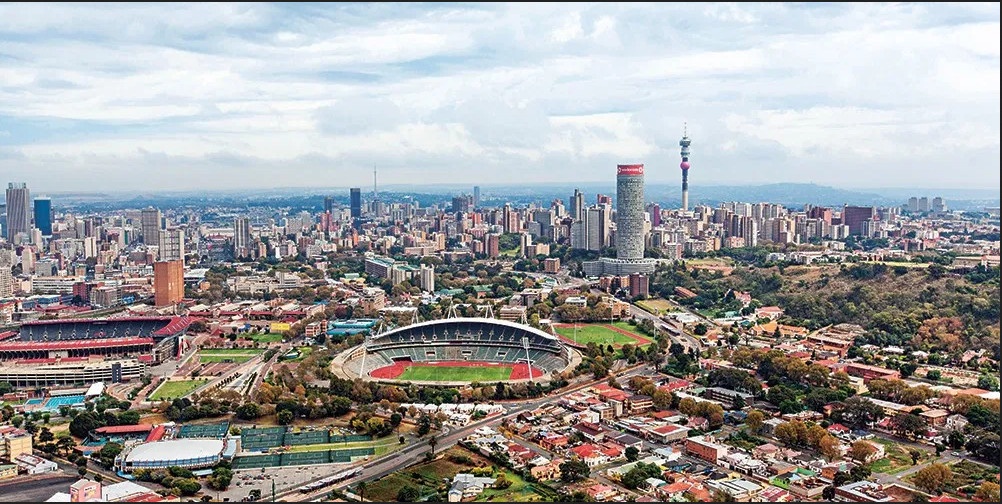
Video: Permanente kwytskelding vir die ANC en sy mederampokkers

Daar is nou gerugte dat die ANC en sy meelopers wat voor die Zondo-kommissie verskyn het, geheel en al kwytgeskeld gaan word vir die honderde miljarde rande wat by die staat en staatsondernemings gesteel is. Dit is soortgelyk aan ‘n ander boendoehof, die WVK, wat in die negentigerjare die ANC van 200 terreurdade op SA bodem kwytgeskeld het.

Dr. Dan Roodt lewer kommentaar op onderstaande video.