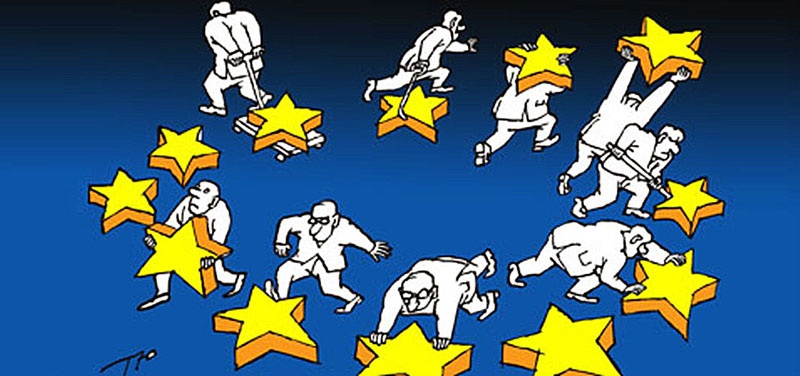
Leon Lemmer: Europa: Solidariteit of verdeeldheid

Ek het voorheen geskryf oor pogings om staatkundige eenheid in Europa te bewerkstellig, bv met die Europese Unie (EU). Dit is in ooreenstemming met die versugting na globalisering: “The Enlightenment, in which the idea of the European Union is intellectually rooted, demands universal citizenship,” volgens Gaspar Miklos Tamas (Ivan Krastev, bron hier onder, Kindle 381). Ek het ook oor die inkommerprobleem geskryf: die buitensporige mate waarin ekonomiese vlugtelinge en asielsoekers op Europa toesak. Dit vind aanklank by politieke byderwetsheid, humanitêre simpatieë en liberalisties-linkse politiek. Daarvolgens is die inkommers bv op welsynstoelaes geregtig, al het hulle niks tot die staatskas of die heil van die betrokke land bygedra nie. Dat hulle in baie gevalle onwettig die land binnegekom het en dus misdadigers is, word nie teen hulle gereken nie. ‘n Teenreaksie het gelukkig spoedig ingetree. Pleks van eendersverklarende kosmopolitiese begeertes word die belangrikheid van eiesoortige kultuur binne nasionale state beklemtoon. ‘n Nuwe waardering het nie net vir die handhawing van beveiligde landsgrense ontwikkel nie, maar ook groter bewustheid van die ons/hulle-onderskeid. “He is among us, but he is not of us” (234).

In groot mate het die Europeërs deesdae vir die eerste keer op eie bodem te make met mense (bv Moslems en swart Afrikane) wat kultureel grondig van hulle verskil. Waaraan ek al dikwels gedink het, is: Gestel die Europeërs het vroeër hierdie eerstehandse ervaring opgedoen. Myns insiens kon hulle dan groot simpatie met die blanke bewind in Suid-Afrika gehad het. Hulle sou die blankes/Afrikaners moreel en materieel ondersteun het, omdat hulle begrip vir die sterk onderlinge kulturele bande sou gehad het; ook begrip vir die groot kulturele kloof tussen ons en “die ander” want die onderskeid word nie op grond van velkleur gemaak nie maar omdat “die ander” ‘n ander denk- en leefwyse het. Ek het al dikwels die ooreenkomste tussen die lot van die blankes in Algerië en Suid-Afrika uitgewys. In albei gevalle het ‘n miljoen blankes gevlug toe enersyds Arabiese en Berberse Moslems en andersyds terroristies-kommunistiese swartes beheer van die regering oorgeneem het. Krastev skryf: “In many respects, people who vote today for the Far Right in Europe share the sentiments of French pied noirs [Algerian whites] who where forced to leave Algeria at the time of the War of Independence [1954-1962]” (356). Wanneer ek as ontheemde in die nuwe Suid-Afrika nostalgies na foto’s uit my verlede kyk, is dit soos “a postcard from a lost world, a place where [I] felt at home” (761).

Omdat ek reeds dikwels oor hierdie onderwerp gelees en geskryf het, het ek aanvanklik nie Ivan Krastev se boek, After Europe (Philadelphia: University of Pennsylvania Press, 2017, 125p; Amazon Kindle $11,49), gelees nie. Toe daar vanjaar ‘n bygewerkte weergawe teen dieselfde prys beskikbaar gestel is, het ek besluit om dit te koop. Ek is nie spyt daaroor nie, want dit is ‘n briljant geargumenteerde uiteensetting. Vir my as leser het dit voorgekom asof elke stelling en selfs woord deeglik deur die outeur oorweeg is en dat hy uitstekend oor die onderwerp ingelig is. Die bywerking van 11 bladsye is tot die laaste afdeling beperk. Dit het my in mindere mate beïndruk omdat die outeur daarin in ‘n mate afbreek wat hy in die oorspronklike uitgawe staangemaak het.
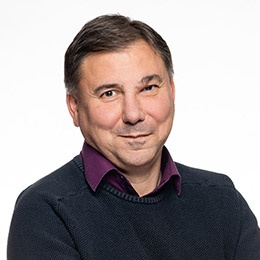
Ivan Krastev

‘n Boek wat min of meer oor dieselfde onderwerp handel, is ‘n bundel opstelle geredigeer deur Heinrich Geiselberger, The great regression (2017, 220p; Amazon Kindle $11,49). Twee ander boeke deur Krastev is In mistrust be trust: Can democracy survive when we can’t trust our leaders? (2013, 71p; Amazon Kindle $3,44) en Democracy disrupted: The politics of global protest (2014, 89p; Amazon Kindle $11,49). Met Stephen Holmes as mede-outeur het daar ook die volgende boek van Krastev verskyn: The light that failed: A reckoning (2019, 240p; Amazon Kindle $23,20). Dit is die lig van liberalisme wat al hoe dowwer skyn. Dit hang saam met Krastev se voorbehoude oor demokrasie en globalisme. Laasgenoemde boek het dieselfde hooftitel as een van Rudyard Kipling (1865-1936) se romans (1891), wat oor ‘n mislukte liefdesverhouding handel. Kipling het ook die gedig, “The white man’s burden” (1899), geskryf, waarin hy as geswore imperialis die Amerikaners aanmoedig om die Fillipyne te annekseer. Van 1898 tot 1908 het Kipling dikwels tyd in Kaapstad deurgebring. Hy was ‘n sterk ondersteuner van die Britte in die Anglo-Boereoorlog.

‘n Groot voordeel van Krastev se 2017-teks is dat dit ‘n Oos-Europese siening van die ondewerp is terwyl hieroor (ten minste in Engels) meesal uit ‘n tradisioneel Westerse perspektief geskryf word. Krastev is verbonde aan die Center for Liberal Strategies in Sofia, Bulgarye. Dit is bekend dat lande in Oos-Europa minder welvarend as dié in Wes-Europa is. Om hierdie rede het Oos-Europa nie so ‘n groot probleem met inkommers wat wil parasiteer nie. Die sterk verset teen inkommers is daarom vir my des te meer interessant. Maar dit moet ook in gedagte gehou word dat hierdie lande onder kommunistiese bewind (oorwegend) blank gebly het. Dit gaan vir Oos-Europeërs nie soseer om die behoud van materiële dinge nie, maar om die bewaring en voortsetting van hulle geestelike erfenis.

Dit is bekend dat staatsryke kom en gaan. In Oos-Europa is dit bv die skielike ineenstorting van die Habsburgse Hongaars-Oostenrykse Ryk in 1914 ná die sluipmoord op aartshertog Franz Ferdinand wat ingrypende gevolge gehad het. Maar so ook die verbrokkeling van die Sowjetunie ná die val van die Berlynse muur op 9 November 1989. Daar was ‘n wydverspreide maar foutiewe aanname dat albei hierdie ryke gekom het om te bly, net soos die Britte gedink het die son sou nooit oor die Britse Ryk sak nie. Krastev verwys afwisselend na Sentraal- of Oos-Europa. Met albei bedoel hy eintlik eens kommunistiese Europa. Namate die Sowjetunie verkrummel het, het Europa as ‘t ware al hoe meer ooswaarts uitgebrei. Dieselfde gebeur met die Europese Unie.

Wat vir my nog steeds ‘n skokkende misdaad teen Europese beskawing bly, is dat die 1989-gebeure plaaslik op so ‘n vergesogte manier vertolk is dat dit tot die ondergang van blanke politieke beheer in Suid-Afrika gelei het. “When man-made worlds of political and cultural artifice disappear, they do so quickly” (38). Die vraag wat Krastev homself afvra, is: “Are we experiencing a similar ‘disintegration moment’ in Europe today?” (38). Blank Suid-Afrika se disintegrasie het op ‘n spesifieke dag begin: FW de Klerk se toespraak in die parlement op 2 Februarie 1990. Die NP-onderhandelaars het daarna telkens voor die voortgesette geweldpleging van ANC-terroriste en -kommuniste geswig. Daardie geweld is onder die leiding van die latere vredesikoon en versoener, Nelson Mandela, gepleeg.

Die dwaasheid van 1990/94 in Suid-Afrika én die aanvanklike verwelkoming van inkommers in Europa herinner aan wat George Orwell gesê het: “To see what is in front of one’s nose needs a constant struggle” (73). De Klerk & kie het gewone, goeie, redelike mense pleks van klipharde, immorele terroriste en kommuniste voor hulle oë aan die onderhandelingstafel gesien. “Societies sometimes do commit suicide, and they do it with a certain élan as well” (73). Soos uit my vorige rubriek blyk, verkeer iemand soos Leon Wessels steeds in die waan dat hy uitsonderlik gepresteer het deur in groter mate as enige ander NP-onderhandelaar ten prooi van die wense/eise van die bose ANC/SAKP te val. Sedert 2015 ly Europa weens inkommers onder terreuraanvalle soortgelyk aan dié destyds in Suid-Afrika. In Suid-Afrika se geval is die 1990/94-terreur, ongelooflik soos dit mag klink, onder meer gepleeg deur terroriste wat toegelaat is om na Suid-Afrika terug te keer, of sulke inkommers wat terroriste in Suid-Afrika opgelei het. Dit is moontlik gemaak deur De Klerk se verslapping van die sekuriteitsmaatreëls. In daardie sin was dit selfmoord.

“The [European] Union looks more than ever like a community of fate” (62), wat die inwoners kan noop om saam te staan om die kulturele en terreurbedreigings die hoof te bied. Maar dit gebeur nie noodwendig nie. Angela Merkel, die Duitse staatshoof, het dermate aan skuldgevoelens oor hulle Nazi-verlede gely dat sy aanvanklik nie net inkommers onbeperk toegelaat het nie, maar hulle selfs aangemoedig het om in groot getalle na Duitsland te kom. Linkses poog om hierdie optrede soos volg te regverdig: dat ‘n verouderde Duitse bevolking jong mense as werkers nodig het. In bv Japan is daar wat veroudering betref ‘n situasie soortgelyk aan dié in Duitsland. Maar in Japan word geredeneer dat outomatisering, bv robotisering, die arbeidsmag in afdoende mate sal aanvul. Pleks van ekonomiese oorwegings te prioritiseer, soos in Duitsland, verkies die Japannese wyslik om eerder die behoud van hulle kultuur voorop te stel. In Europa “the fear of a barbarian invasion coexists with a fear of a robot-driven transformation … How society will function when work is a privilege and not a right or duty is not a theoretical question” (570).

In Duitsland en elders in Europa kom daar in elk geval dikwels min van toegewyde werk deur inkommers tereg. Hulle verkies om eerder op die welsynsvoordele te parasiteer, wat van staatskant al hoe meer ontaard in “borrowing from future generations in the form of deficit spending” (111). Terselfdertyd is werkloosheid in Europa, soos in Suid-Afrika, ‘n teelaarde vir misdaad. Krastev se gevolgtrekking is: “Immigration is unlikely to provide Europe with a solution for its demographic weakness” (99), maw ‘n mens kan nie die blanke bevolking sinvol of bevredigend met sulke inkommers aanvul nie. Uiteraard kan die tradisionele bevolking nog minder wyslik met die inkommers vervang word. Maar daardie nuwes kan die inheemses uiteindelik verswelg.

“The geopolitical rationale for European unity vanished with the Soviet Union’s collapse” (87). Dit kan wees dat ‘n veranderingsoomblik vir Europa aangebreek het of naby is. “A passing glance at China, India, and Russia, not to speak of the vast reaches of the Muslim world, makes clear that both ethnic nationalism and religion remain major driving forces in global politics. Europe’s postmodernism, postnationalism, and secularism make it different from the rest of the world, not a harbinger of what necessarily awaits it. What is also visible in the context of the refugee crisis is that national loyalties, once considered dead and buried, are back – with a vengeance – in contemporary Europe” (122).

Krastev verduidelik die boektitel soos volg:

“It is this new reality that first inspired me to think in terms of after Europe. After Europe signifies that the old continent has both lost its centrality in global politics and the confidence of Europeans themselves – the confidence that its political choices can shape the future of the world. After Europe means that the European project has lost its teleological appeal and that the idea of a ‘United States of Europe’ is less inspiring than at perhaps any other moment in the last fifty years. After Europe means that Europe is suffering from an identity crisis in which its Christian and Enlightenment legacies are no longer secure. After Europe does not necessarily mean that the European Union is at an end so much as it signals that we need to leave behind our naïve hopes and expectations about the future shape of Europe and the world” (134).

“The only way to deal with the risk of disintegration [of Europe] is to recognise clearheadedly that the refugee crisis has dramatically changed the nature of democratic politics on the national level and that what we are witnessing in Europe is not simply a populist riot against the establishment but a voters’ rebellion against the meritocratic elites (best symbolized by hard-working, competent officials in Brussels who are nonetheless out of touch with the societies they are supposed to represent and serve). How the refugee crisis has changed European societies and why citizens resent the meritocratic elites are the two issues this book will try to address. (What the refugee crises has clarified is that Europeans no longer dream of some distant utopia. There really is no imagined perfect land where they want to live. The new dream is for what one might call Nativia – a distant island to which unwanted foreigners can be sent without the slightest pang of guilt) (196).

Die optimistiese idee van ‘n nuwe wêreldorde het volgens Kenneth Jowitt plek gemaak vir “the new world disorder” (294). “In [Francis] Fukuyama’s imagination, Europe was the model for the coming global liberal order. For Jowitt, on the other hand, the old continent was the epicenter of the new world disorder” (307). “There is depression: ‘We are lost; Europe is turning into Europastan!'” (434).

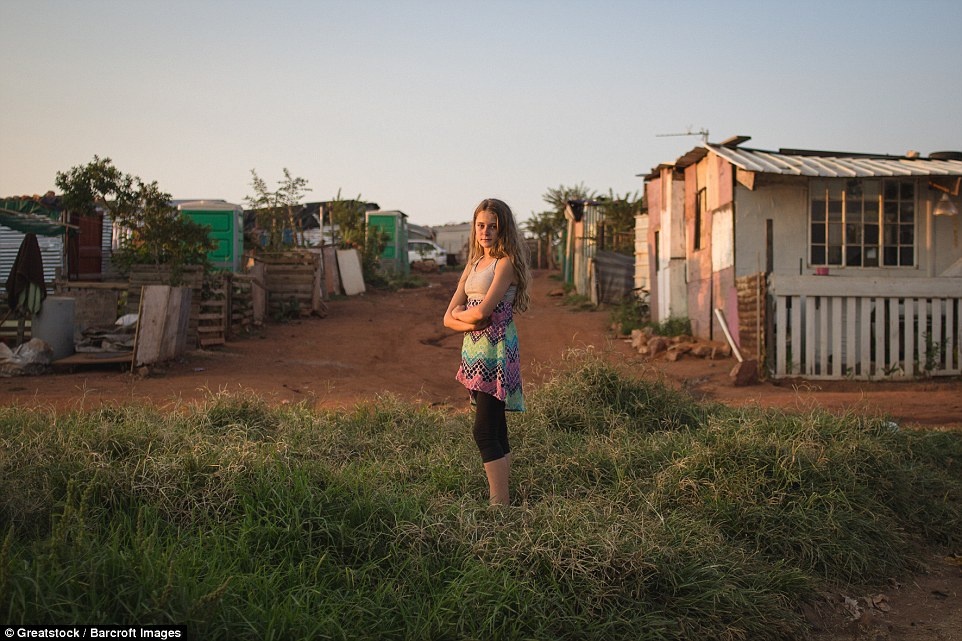
Dwarsdeur die boek het Krastev dit teen die “meritocratic elite”. In Europa is die elite seker intellektueel die meerdere van die populistiese massa, maar nie noodwendig kultureel nie. Ek dink Krastev se eintlike beswaar is teen burokratiese politici wat min kennis van en nog minder begrip vir die massa se belange het. In Suid-Afrika, waar daar bitter min sprake van intellektualiteit by die ANC-regime is, is die gaping tussen die politici en die gepeupel se leefwêrelde (die een buitensporig luuks, die ander brandarm) so groot dat ek ‘n revolusie voorsien. Krastev verwys na Europa se “demographic dystopia”: “In order to ensure their prosperity, Europeans need to open their borders; yet such openness threatens to annihilate their cultural distinctiveness” (570). Maar as Europeërs nou reeds hulle utopiese drome afgesweer het, hoe diep is die put nie vir die blankes in Suid-Afrika wat daagliks in ‘n distopie met rommelstatus moet lewe terwyl daar geen vooruitsig op verbetering is nie? ‘n Manier waarop verligting verkry kan word, is ‘n nieu-Robbeneiland, ‘n lekker groot een, waarheen alle misdadigers gestuur word, bv almal wat skole en winkels plunder, paaie versper, boere vermoor, vee en kragkabels steel, ens, asook alle onwettige inkommers.

“The refugee crisis turned out to be Europe’s 9/11” (245). “[It] now looks increasingly like the second coming of decolonization” (344). “In the twenty-first century, migration is the new revolution – not a twentieth-century of the masses, but an exit-driven revolution of individuals and families. It is inspired not by ideologically inscribed paintings of radiant futures but by Google Maps photos of life on the other side (of the border). In order to succeed, this new revolution doesn’t require ideology, political movements, or political leaders. For so many of the wretched of the earth, crossing the European Union’s border is a matter of human necessity and hardly a question of a utopian future” (208).

Wat dikwels misgekyk word, is dat hierdie migrante doelbewus ‘n nieblanke regime vir ‘n blanke regering verruil omdat laasgenoemde beter (bv meer doeltreffende) regeerders is. Maar dan word daar van die Suid-Afrikaanse blankes verwag om entoesiasties oor die “onderhandelde revolusie” van 1994 te wees.

“The problem with the migration revolution – as in any revolution, really – is that it contains within itself the capacity to inspire counterrevolution. In this case, the revolution has inspired the rise of threatened majorities as a major force in European politics. These anxious majorities fear that foreigners are taking over their countries and jeopardizing their way of life” (208). In Suid-Afrika is die situasie heeltemal anders. ‘n Kultureel andersoortige meerderheid is mandaadloos in beheer van die land geplaas en probeer om die eens polities magtige blanke minderheid ten minste kultureel te vernietig. ‘n Verdere revolusie is moontlik, selfs waarskynlik, maar dit sal uit die swart meerderheid ontspruit en na verwagting, ten minste aanvanklik, die gepeupel in groter mate as die 1994-revolusie bevoordeel. Van verligting van die blankes se lot is daar nie sprake nie. Die blankes se saak is in 1990/94 verbrou. Daar sal myns insiens geen tweede kans wees nie.

“Many Europeans unconditionally accept the flow of immigrants as a sign of democracy’s failure” (282). Hoewel ‘n demokraties verkose regering veronderstel is om uitdrukking aan die wense van die meerderheid kiesers te gee, was sulke regerings dikwels geneig om die weerstand wat by die meerderheid kiesers teen inkommers bestaan, te ignoreer. “For many, ‘democracy’ in the EU quickly became code for the political impotence of citizens. Rather than Brussels symbolizing the glory of a common European home, the EU’s capital came to represent the unrestricted power of the markets and the destructive power of globalization” (886). In hierdie sin “democracy can be a trigger for destabilization” (508). ‘n Diktator soos Muammar Gadafi van Libië het Europa redelik doeltreffend teen inkommers beskerm. Nadat hy weens die Westerse, veral Amerikaanse, sug na demokrasie uit sy pos verwyder is, het die migrantevloed Europa getref. Dit is waarom daar in Europa toenemende simpatie met regeringsvorme is wat meer outoritêr as demokrasie is.

Die strategie van baie van die demokrasië in Europa het spoedig verander. “In the age of migration, democracy has begun to operate as an instrument of exclusion, not inclusion” (208). In Amerika is Donald Trump die toonbeeld hiervan. Hy wil Amerikaanse verblyfreg en burgerskap so moeilik moontlik vir merietelose migrante maak. In Europa is daar die opkoms van regse politieke partye wat alles moontlik doen om migrante buite hulle lande te hou. Selfs regerings wat nie naastenby regs is nie, het dit nodig gevind om versperrings op hulle grense aan te bring sodat migrante nie so maklik kan inkom nie. “Open borders are no longer a sign of freedom but are now a symbol of insecurity” (496). “In the 1990s, globalization meant the opening of borders for ideas, goods and capital” (508). Globalisme het in ‘n nagmerrie ontaard toe ook mense op groot skaal en dikwels onwettig oor landsgrense begin beweeg het.

“Liberal notions of tolerance, cheaply reduced to a caricatured notion of ‘political correctness,’ have come to be seen as the enemy of the people” (282). Daar is “the inability and unwillingness of liberal elites to discuss migration and contend with its consequences … [The] revolt against the hypocrisy of liberal elites is fundamentally reshaping Europe’s political landscape” (332). “Tolerance and civility were long the defining characteristics of the European Union. Today they are often perceived as the EU’s core vulnerabilities” (520). “The idea of ‘creative destruction’ was at the very heart of our experience with globalization. But if a decade ago we preferred to focus on the ‘creative,’ now the focus is, regretably, on the ‘destruction'” (520).

Dit herinner aan Suid-Afrika se onlangse geskiedenis. Veral in die jare tagtig het die ANC/UDF alles moontlik probeer doen om af te breek wat onder die leiding van die blankes tot stand gebring is. Dit het geskied in die waan dat daar later onder ‘n ANC-regime iets beters tot stand gebing sou word. Vandaar die ANC se heropbou en ontwikkelingsprogram ná die 1994-ramp, sonder om openlik te erken dat wat heropgebou moet word, is wat die ANC/UDF doelbewus en eiehandig afgebreek het. In werklikheid het al hoe groter verval ná 1994 ingetree, soos gesimboliseer deur die verwerwing van ekonomies-finansiële rommelstatus. Dit is vir onkundiges en onbekwames veel makliker om af te breek as om op te bou.

By ‘n vorige geleentheid het ek geskryf oor David Goodhart se onderskeid tussen “Anywhere people” en “Somewhere people” (Praag, 8.12.2018). Heel gepas verwys Krastev ook daarna: “The conflicts between Anywheres and Somewheres, between globalists and nativists, and between open societies and closed societies have become more important in shaping voters’ political identities than previous class-based identities” (460). Krastev verskaf dan hierdie interessante inligting oor Amerika: “Among the many electoral maps published after the last US elections, one captures this [the Somewheres and Anywheres phenomenon] particularly well, showing that although Trump-land covers around 85 percent of the land mass of the United States, those living in Clinton-land make up roughly 54 percent of the population. If we imagine these regions as two countries, we notice immediately that Clinton-land, composed of coastal regions and urban islands, suggests nineteenth-century Britain, while Trump-land more resembles the landmasses of Eurasia governed by Russia and Germany. The political struggle between Clinton and Trump was one between sea power and land power, between people who think in terms of space and people who think in terms of place” (460).

Die volgende waarneming is ook van aktuele belang: “[The] Harvard historian and legal scholar Samuel Moyn convincingly argues [that] the birth date of the human rights movement is relatively recent, sometime in the 1970s. Further, in order to understand properly the popularity of the human rights paradigm, we should recognize that it is a substitute for both nation-centered utopias and other internationalist utopias like socialism” (484). Menseregte-aktiviste veronderstel sowel die gelykheid as wesenlike eendersheid van mense en is dus geneig om beswaard oor nasiestate en landsgrense te wees. Maar ek dink nie menseregte lê (noodwendig) sosialisme aan bande nie. Byvoorbeeld, die ANC-regime is gaande oor menseregte (vir swartes) en terselfdertyd geswore aanhangers van sosialisme, wat sonder beswaar maar tot kommunisme oordryf kan word, bv in hulle “Tweede Demokratiese Revolusie”. “The insistence of political theorists such as Stephen Holmes that rights have costs, and that divorcing the capacity of the state from the ability of the regime to make rights real, has been ignored” (484). Dink maar net aan wat die agt menseregtekommissarisse en hulle administratiewe onderbou Suid-Afrika jaarliks kos en in hoeverre hulle daarin slaag om menseregte vir blankes te verseker.

In die Europese Unie is daar “a clash of solidarities: national, ethnic, and religious … Western Europeans as a rule trust their national governments … In the East … the majority of people there are more likely to trust Brussels than their national governments. They had pinned their hopes on technocrats in Brussels proving more competent and less corrupt than their national leaders” (582). Ná 1989 was die situasie in Oos-Europa dus aanvanklik soortgelyk aan dié in Suid-Afrika: Die kiesers het nog nie afdoende aangepas by die nuwe demokratiese opset nie. Die regerings gee dus nie werklik uitdrukking aan die wense van die meerderheid kiesers nie en is boonop ondoeltreffend en korrup. In Europa het massa-migrasie hierdie situasie teen 2015 radikaal verander. “The migration crisis upended this dynamic. Germans and Swedes are now less convinced that their governments are capable of shaping the EU’s common policies, while eastern Europeans, still skeptical about the competence and honesty of their national governments, now place more faith in them than in Brussels. They see them ready to defend what lies squarely in the national interest. In short, migration has brought a renationalization of politics and a concomitant resurrection of the East-West divide, if indeed it ever really disappeared” (582).

Waarop dit myns insiens neerkom, is dat die Wes-Europese lande, ten spyte van toenemende teenkanting in eie geledere, amptelik voortgaan om die Europese Unie se liberale migrasiebeleid te steun. Die Oos-Europese lande, daarenteen, het om ekonomiese redes aansluiting by die welvarender Wes-Europese land gesoek en daarom lid van die Europese Unie geword. Maar die migrantekrisis noop hulle om ter behoud van hulle kulturele identiteit hulle van die EU se migrasiebeleid te distansieer. Dít terwyl Oos-Europa ‘n groot uitvloei van inwoners na veral Wes-Europa ervaar en dus eintlik ekonomies-aktiewe migrante nodig het (630). Hulle teenstand spruit uit hulle bewustheid van “the darker sides of so-called multiculturalism” (641). “What this may intimate is that the unification of Europe has always been far more a dream than a reality. And it is the return of the East-West divide, more than any other political development, that fuels fears of a wholesale or even partial disintegration of the EU” (594).

Dit is ook “central Europe’s deeply rooted mistrust toward a cosmopolitan mindset that divides East and West. Eastern Europe does not have a colonial history and thus lacks a sense of guilt, but it also lacks a shared fate that often accompanies colonial encounters” (737). Oos-Europeërs het nie ‘n kosmopolitiese verlede nie. In soverre hulle ‘n breër ervaring as hulle eie land het, is dit die onaangename herinnering aan kommunistiese oorheersing. Vir hulle is daar “the direct connection between communism and internationalism, that partially explains central Europe’s senstivities when it comes to the refugee crisis” (774). “The German drive for cosmopolitanism was also a way to escape the xenophobic legacy of Nazism, while it could be argued that central Europe’s anticosmopolitanism is partially rooted in an aversion to the communist-imposed internationalism” (774).

“Being a normal country was the dream of eastern European society. The West’s normality was embodied by its prosperity, civility, and economic success. Three decades later, postmodern Europe is viewed by many eastern Europeans as culturally abnormal” (749). Maar die inkommers het ook ‘n mate van herbesinning in Wes-Europa genoodsaak. “The demand for democracy in Europe has been transformed into a call to defend one’s own political community and thus a demand for exclusion rather than inclusion. It also creates a dynamic in which the European project is seen no longer as an expression of liberal universalism but as a sour expression of its defensive parochialism” (791). In Europa is daar ‘n herontdekking en herwaardering van eie kultuur. Plaaslik besef en verstaan iemand soos die armsalige Wim de Villiers dit nie. Hy weet nie dat sy passie om studente met wêreldburgerskap te indoktrineer en hulle ooreenkomstig op te lei in die Weste al hoe meer uit die mode raak nie. Maar solank hy die Afrikanergeskiedenis van die Universiteit Stellenbosch (US) met wortel en tak uitroei, insluitende Afrikaans so veel en so gou moontlik, bly die ANC-regime tevrede met die US se transformasieteikens.

“The public in Eastern Europe (aside from a relatively small number of die-hard liberals) remains largely unmoved by the plight of the refugees. That’s why leaders there have lambasted Brussels’s decision to redistribute refugees among EU member states. Prime Minister Robert Fico of Slovakia has asserted that his country would be prepared to accept only Christians … The leader of the governing Law and Justice Party in Poland, Jaroslaw Kaczyński, warned that accepting refugees would be a public health risk because of the allegedly dangerous diseases migrants carry with them. Hungarian prime minister, Viktor Orbán, contends that the European Union’s moral duty is not to help the refugees but to guarantee general security” (606). Die sterk teenkanting teen migrante in Pole is te begrype omdat die land eers ná 1989 daarin kon slaag om 98% etnies Pools te word (653).

“Citizenship means common descent and shared culture. It was precisely from nineteenth-century Germans that central Europeans borrowed the idea of the nation as cultural unity” (653). “Being more impoverished than western Europeans, they wonder how anyone can expect them to express spontaneous humanitarian solidarity” (665). “Gay marriages signify fewer kids and further demographic decline. For an eastern European nation haunted by low birth rates and migration, the endorsement of gay culture is like endorsing your own disappearance” (689). Is dit nie waarom Naspers/Media24-publikasies sowel rasgemengde as selfdegeslag-huwelike by iedere moontlike geleentheid met teks en foto’s aan lesers en kykers opdring nie? Die onderliggende motivering skyn te wees die vernietiging van die plaaslike blankedom, veral die Afrikanerdom met sy beweerde slegte apartheidsverlede.

“It is loyalty – namely, the unconditional loyalty to ethnic, religious, or social groups – that is at the heart of the appeal of Europe’s new populism” (1212). “The emerging illiberal political consensus is not limited to right-wing radicalism; it encompasses the transformation of the European mainstream itself. It is not what extremists say that threatens Europe; the real threat is what the mainstream leaders no longer say – principally, that diversity is good for Europe” (1070). Dit word die “illiberal turn” genoem (945). “The rise of the populist sentiments signals a return to political polarization and a more confrontational style of politics … The Left-Right divide is being replaced by a conflict between internationalists and nativists … Populism’s key feature is a hostility not to elitism but to pluralism … Populists do not claim to stand for all Poles, French, or Hungarians, but they insist that they stand for all ‘true Poles,’ ‘true French,’ and ‘true Hungarians'” (958), soortgelyk aan die onderskeid wat tussen enersyds egte of ware Afrikaners en andersyds hanskakies, oorverligtes of verloopte Afrikaners gemaak word.

Aan die einde van sy 2017-boek het Krastev tot die volgende slotsom gekom: “The disintegration of the union is one of the most likely outcomes” (1442). Maar die teks is so kort ná twee onvoorsiene en hoogs onverwagte politieke verwikkelinge voltooi dat die gevolge daarvan toe nog nie in hulle volle omvang verwerklik was nie. Ek verwys na die pro-Brexit-uitslag van die referendum op 25 Junie 2016 in Brittanje en die verkiesing van Donald Trump as Amerikaanse president op 8 November 2016. In sy 2020-bywerking skryf Krastev oor sy 2017-boek: “It guessed (correctly) that the refugee crisis of 2015 would profoundly transform European politics. It predicted (wrongly) that Europeans’ newly born love for referenda could bring the end of the union. The book was read as pessimistic and gloomy, and in a way it is. But it is also a book of hope. ‘Hope is definitely not the same thing as optimism,’ wrote Václav Havel [1936-2011]” (1499), die president van die Tsjeggiese Republiek (1993-2003). In die nuwe Suid-Afrika behoort Afrikaners dalk ook hierdie onderskeid te maak sodat hulle nie op moedverloor se vlakte beland nie.

Krastev het sy deuntjie verander. Die vraag is of sy gewysigde siening korrek is. “The European populist revolution that started with the promise to destroy the EU has ended up reconciling itself to the idea that disintegration of the union would be a tragedy for Europeans. Nostalgia for the nation state is still present in the rhetoric of the populist right, but it’s begun to take the decline of the nation state for granted” (1536). Dalk probeer Krastev om te gou ‘n nuwe tendens te bespeur. “For many European societies, particularly in the East, the fear of emigration (your compatriots leaving your country for another) outweighs the fear of migration (foreigners trying to join your country) and better explain the support for populist parties” (1536). Maar is die leemte wat gelaat word deur mense wat landuit vlug (noodwendig) erger as die mate waarin inkommers met ‘n wildvreemde kultuur ‘n land, hetsy op kort- of langtermyn, kan opdonder?

“If there is one single factor that is most responsible for Europe making its peace with the idea of maintaining the union in some form, it is Brexit. Since 2016, Great Britain has been transformed in almost unimaginable ways. It has become provincial, disoriented, and unimportant. [?] What once was the greatest empire in the history of the world has started to resemble a rebellious colony” (1548). Maar Ian Smith (1919-2007) van Rhodesië-faam (eerste minister 1964-1979) het die Britte lank gelede al daaraan herinner dat Great Britain tot Britain gekrimp het. Die teenstanders van Brexit het groot rampspoed vir die land voorspel, maar te oordeel aan die wisselkoers gaan dit veel beter met die Britse ekonomie as dié van baie ander lande, noodwendig insluitende Suid-Afrika. Brittanje het ‘n onontbeerlike bondgenoot in Trump se Amerika. Die vraag is of skeptisisme oor Trump as persoon nie dalk Krastev se ongunstige evaluering van Brexit oormatig beïnvloed nie, asook sy bewering van ‘n afname in die entoesiasme vir nasionalisme en nasionale state in (Oos-)Europa.
‘Il y a de l’espoir’ — Daar is hoop!

Ek dink soms mense raak te moedeloos oor Suid-Afrika. Ek is vas oortuig ons kán ekonomies oorleef as Afrikaners net onder mekaar begin saamwerk en al die buitelandse markte begin ontgin. Die tegnologie is ons redding!

Dan ‘n tweede punt: Nóg die ANC, nóg die hopelose en dom linkse meningsprekers in Suid-Afrika besef op watter mespunt Europa en veral dan Wes-Europa verkeer. As ‘n enkele land soos Frankryk of Nederland ‘n regse regering sou kry, gee ek die ANC ses maande tot ‘n jaar alvorens hulle tot ‘n val sou kom. Dan sal ons so te sê teruggaan na die ou Suid-Afrika toe. Die rampspoedige eksperiment in Afrodemokrasie sal afgeskaf word en ‘n meer pragmatiese, werkbare stelsel sal in die plek daarvan ingestel word.

Onthou net dít: Die ANC het die land oorgeneem as gevolg van linkse blankes oorsee wat die stryd gevoer het namens ‘n paar figurante soos Mandela wat hulpeloos in die tronk gesit en krepeer het. As daardie blankes oorsee besluit dis nou in hulle belang om weer ‘n Afrikanerregering in Suid-Afrika aan bewind te stel, sal dit binne maande gebeur.

Onlangse meningsopnames toon dat die totale polisie- en weermag in Frankryk hul bankvas agter Marine Le Pen skaar. Dit is slegs die linkse Paryse media wat haar daarvan weerhou om president van die land te word. Frankryk is lid van die Veiligheidsraad, ‘n kernmoondheid, een van ons stamlande – Afrikaners se vele Franse vanne maak steeds baie Franse se harte week – asook ‘n vorige wapenverskaffer van die NP-bewind.

Op ‘n manier verkeer ons lot nie in ons eie hande nie, maar dis miskien ook maar goed so, want laas toe dit was, het ons leiers soos FW de Klerk en Roelf Meyer gehad. Ek het baie meer vertroue in regse Europeërs as in enige Broederbondkliek of groepie Kruiperkaners in Suid-Afrika.

Al wat ons Afrikaners behoort te doen, is om ons eie groepsbewussyn te versterk deur kultuur, simbole, asook die verheerliking van ons geskiedenis en alles wat daarmee saamhang. Steve Hofmeyr en Bok van Blerk doen alreeds wonderlike werk in dié verband.

Sing, dig, skryf en maak films in Afrikaans, maar hou ook die dialoog met regse Europeërs in stand. Vroeër of later gaan en sál die wiel draai.

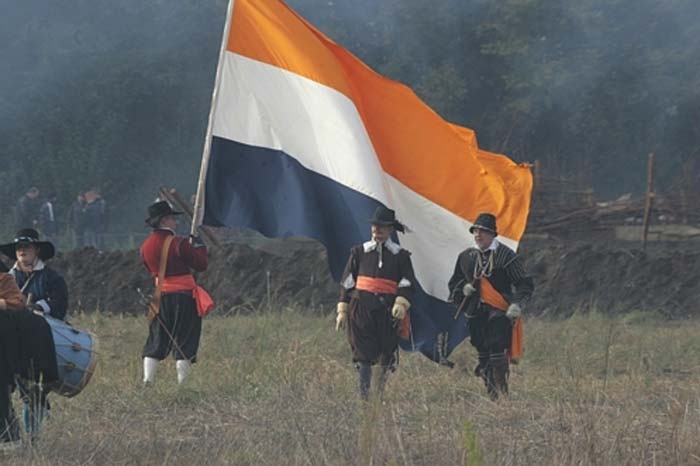
Die oranje-blanje-blou sal weer wapper! Glo my. Dis om die draai.

Leon Lemmer: Afrikanisering in Oos- en Suidelike Afrika

Stephen Taylor is ‘n Britse joernalis wat dikwels oor Afrika skryf. Hy is in 1948 in Seepunt gebore. Hy was ‘n joernalis by die Rand Daily Mail en World voordat hy in 1970 na Engeland geëmigreer het. In 1997 het hy die roete van blanke ontdekkingsreisigers in Oos-Afrika gevolg om te sien hoe daardie lande, Tanzanië, Uganda en Kenia, toe daar uitgesien het. Daarna het hy suidwaarts via Malawi, Zambië, Zimbabwe en Botswana tot in Suid-Afrika gereis. Die beskrywing van sy waarnemings is gepubliseer in die boek, Livingstone’s tribe: A journey from Zanzibar to the Cape (London: William Collins, 2000, 272p; Amazon Kindle $9,85).

David Livingstone (1813-1873) “had seen Christianity and civilisation as the means by which blacks would free themselves from slavery and ignorance” (Kindle 2295). Die Livingstone-stam waarna in die boektitel verwys word, is alle blankes wat in Afrika beland het en onderhewig aan afrikanisering is. “This is an account of a journey in search of a dying tribe. Even at the time I was travelling, in 1997, it was clear that whites as an ethnic minority were doomed in most parts of Africa. It seemed as though the colonial era had belonged to another century rather than to the previous generation. In Tanzania, Uganda, Malawi and Zambia the whites had all but disappeared; in Kenya they clung on diffidently. In Southern Africa, however, there remained hope. Although politically redundant, their economic influence appeared to assure them a future” (50).

Dit is nou 20 jaar later. In Zimbabwe het die blankes weens regeringsrassisme myns insiens geen toekoms nie. In Suid-Afrika word blankes meedoënloos uit poste geweer en van hulle besittings (bv geld en eiendom) ontneem. Die ekonomiese waarde van blankes word sistematies geminimaliseer, gevolglik word hulle teenwoordigheid al hoe meer opsioneel, verkwanselbaar en ongewens. Dít omdat die meerderheid blanke kiesers in 1992 ten gunste van politieke magsdeling gestem en pleks daarvan algehele oorgawe aan swart mag bekom het. Die enormiteit van daardie verraad word steeds nie afdoende besef nie.

“The tide of venomous racism whipped up by Robert Mugabe in the election campaign of June 2000 led to almost a thousand white farms being invaded by squatter gangs … The land seizures in Zimbabwe had an eerie echo of events in post-independence Tanzania and Uganda. There too white farmers and planters were dispossessed in the name of agricultural and political reforms that proved to be disastrous” (66). “At the end of my journey I reflected that only time will tell whether whites are capable of enduring in Africa. In just three years [1997-2000] the prospects look less auspicious than they did even then. Increasingly parents, not only in Zimbabwe but also in South Africa, see their children attempting to make lives abroad. Inevitably, it is those with abilities and qualifications who are best able to leave. And as the brightest and most adventurous depart, the chasm between Africa and the developed world continues to widen” (77).

Tanzanië

Taylor se reis het in Dar es Salaam in Tanzanië begin. “I was interested … in whites who had stayed on in Africa. I was starting a journey in the footsteps of the explorers, missionaries and settlers, along the routes of imperial advance and retreat, looking for those who had made their home in post-independence Africa, who had lived through coups and wars and learnt to live with the corruption, the collapse of services and the generally miserable lot of the African citizen. In particular, I was interested in those who had faith in Africa and its people, and who believed it still had something to offer the world. And now that the last protective white laager had fallen, I was looking for lessons on how they might endure in South Africa” (91).

Die blanke waaroor Taylor eerste skryf, is Daudi Ricardo, voorheen bekend as David Ricardo. “He had sacrificed everything on the pyre of Tanzania’s hopelessly inept experiment with socialism … he lived in genteel poverty in a shanty beside the beach twenty miles north of Dar es Salaam” (97). “Daudi was the last mzungu [white man] at Kunduchi, sharing his roof with Meshack, a smiling-faced [black] man, his [black] wife and their baby” (109). Die enkele besittings wat hy behou het, is ‘n lessenaar, ‘n gemakstoel met leerbekleedsel en ‘n aantal boeke. Ricardo is oor die sewentig jaar oud en het kanker. Taylor “knew enough about Tanzanian hospitals to marvel that, in the face of this final test, he had not submitted to the National Health Service” (127).

Voordat Tanganjika in 1961 onafhanklik geword het, was Ricardo die eienaar van ‘n indrukwekkende landgoed, Matanana, op die hoogland. Daarna het hy klere soos dié van ‘n Afrikaan begin dra, ‘n Moslem geword en sy voornaam van David na Daudi verander. “At uhuru [freedom], he took Tanzanian citizenship and became a member of Julius Nyerere’s [1922-1999, head of state 1961-1985] party. He handed over Matanana to his workforce and went to work for the people” (138). “After leaving the ranch, he worked for twenty-five years among peasants, a field worker for development projects. Most were doomed by incompetence and corruption” (156). “Now the homestead where liveried footmen had waited on guests was crumbling and Matanana had been reclaimed by the bush” (156).

“The flow of settlers to Tanganyika had been restricted under the British mandate and confined to two main farming areas, the Southern Highlands, where Daudi had his ranch, and the Arusha-Moshi region in the north; even there virtually no white farmers remained as they had lost their land in Nyerere’s disastrous nationalisation of agriculture. Old age had carried off all but the last of a handful of diehards” (1033). Daar was “the forced relocation under Nyerere’s ujamaa [community] policy of entire communities into model villages” (1125). Derduisende swartes het weens honger omgekom. Desnieteenstaande hou die Universiteit van Wes-Kaapland jaarliks ‘n Nyerere-gedenklesing terwyl daar uit daardie oord graag steen en been gekla word oor die opruiming deur die blanke regering van die krotbuurt en misdaadnes Distrik Ses. In Brittanje woon daar talle oud-amptenare wat uit Tanganjika padgegee het. “All continue to wish Tanzania well … Yet none had stayed on. It was as if their love of Africa had survived because of, rather than despite, their distance from it” (1038).

In sy huidige blyplek het Ricardo nie lopende water of elektrisiteit nie. Diewe is nie meer lastig nie, want daar is eintlik niks oor om te steel nie. “Actually, there was not much food either” (150). Ricardo sê: “I’ve often doubted, and I still do, whether we have any business being here” (162). “We have to learn a new cultural language and that can be very painful. Then, at some point, it just happens. We wake up to find we have been absorbed … We old mzungus are dying out. Soon we’ll all be gone” (187). ‘n Swarte het van Ricardo gesê: “He is a good man” (203). Van Ricardo se kultuur en besittings het daar egter feitlik niks oorgebly nie. Ricardo is myns insiens ‘n toonbeeld van wat verswelgende afrikanisering vir blankes behels.

Taylor het hierna Zanzibar besoek. Hierdie eiland het in 1963 onafhanklik en in 1964 deel van Tanzanië geword. “An Africanist revolution saw the eclipse of the Arabs. The Sultan fled and thousands of Arabs and Asians were massacred” (287). Taylor het ‘n eertydse sendingstasie vir bevryde slawe by Mbweni, sowat vyf myl van Zanzibar-stad, besoek. Al wat daarvan oorgebly het, is ‘n “crumbling school,” ‘n “dilapidated church and three lonely graves” (373) van blanke sendelinge. Frank Weston het in 1908 daar aangekom. “Unusually for a missionary, Weston recognised that for Africans to benefit from European influence, rather than be damaged by it, the institutions of tribe, family and custom needed to be nurtured, not destroyed” (390). Tydens sy reis is die blankes wat die outeur teëkom meesal sendelinge. Hulle word geduld omdat hulle skoolonderrig en mediese dienste verskaf en in daardie opsigte nuttig is; dus, sendingstasies vervul funksies wat die owerheid versuim om doeltreffend te doen.

Taylor het Bagamoyo in Tanzanië besoek. “Once the fifty-mile stretch from Bagamoyo to Dar [es Salaam] had been under tarmac, but that had long since dissolved and not a trace of bitumen was now left” (529). Bagamoyo is in ‘n vervalle toestand sedert die Indiërs en Duitsers daar weg is.

In Dar es Salaam kom die outeur ‘n Zoeloe teë, Ally Sykes Mbowane, wat hom in Tanzanië gevestig het. Mbowane sê: “The problem is the Asians. They corrupt everything. They are here to milk the blacks … They must go, by force if necessary … [Idi] Amin’s [1925-2003, Uganda’s president 1971-1979] mistake was he did not replace the Asians with intelligent Africans … You can’t trust them [the Asians]. They will always keep to themselves. Take the British Legion clubs here or in Kenya. You will find blacks and whites drinking together. But Asians do not have Africans at their clubs. The Asian is like that. He thinks differently to us” (613).

Die Ost Afrikanische Eisenbahn Gesellschaft “build a railway [from Dar es Salaam to Ujiji, 1905-1914] that would trace the explorers’ footsteps. To this day it is the only land link from the coast to Lake Tanganyika” (628). “In colonial times … the buffet car was well-stocked, compartments offered sleeping accommodation and … the journey was regarded as a pleasant prelude or coda to home leave. Now … there was no certainty of food or drink and even less about the time of arrival” (633). “Cat burglars are said to prowl the roofs of carriages at night in search of open windows through which to swing” (718). Taylor reis per trein die binneland in. “Looking out on this void, one is struck by the absence of opportunity for improvement or escape. The odd settlement consists of a few mud and thatch huts of a type unchanged for centuries, a mournful looking cow and a straggly maize patch. No road reaches here, no enterprise, only the train which passes four times a week” (724).

Die outeur reis per matatu (minibus) van Ujiji na Kigoma. “Africa’s roads [are] the most dangerous in the world” (778). “Africans tend to opt for the front seat if given a choice, while the few whites I met who used matatus went for the back” (801). “Power and Africa appear uncongenial companions. Too often the meek and affable young man has been transformed by the possession of a Kalashnikov into an unstable brute, the earnest graduate by some minor bureaucratic officer into a vindictive pedant, the new leader assuming office with the promise of reform into yet another egregious autocrat” (819).

Van Kigoma reis die outeur per trein na Tabora, “a dead end, isolated by the collapse of Tanzania’s road system” (973) en vandaar verder per trein na Mwanza, Tanzanië se tweede grootste stad, en Bukoba: “There was no piped water to the residential area, less than 500 yards from one of the largest bodies of fresh water in the world” (1463), die Victoria-meer.

Uganda

Taylor reis per minibus van Bukoba na Kampala in Uganda. “Tonight, as most nights, there is a power cut” (1521; ook 1973), maar die paaie is in ‘n beter toestand as in Tanzanië. Idi Amin het die Asiate uit Uganda gejaag. Hulle vervalle huise word nou deur plakkers bewoon. Amin se huis, met ‘n uitsig op die Victoria-meer, het hy “Cape Town View” genoem (1664). Swartes het mekaar uitgeroei; ook na onafhanklikheid in 1962. “At the root, it’s tribalism” (1714).

By die oorsprong van die Nylrivier, by Namasagali, is daar ‘n Rooms-Katolieke sendingstasie. In die skool word lyfstraf toegedien omdat dit as noodsaaklik geag word. ‘n Priester verduidelik: “English must be spoken at all times. If we allow youngsters to use their own languages, they very quickly start forming ethnic cliques. Besides, they must learn English if they are to use textbooks and it is a tool they will never lose if they should find careers in government or business” (1839). Engels is die enigste amptelike taal in Uganda. Taylor voeg by: “This was true. Swahili had never become the lingua franca of Uganda as it had of Tanzania and Kenya” (1839). ‘n Swart oud-leerling van die skool, Ann Namiiro, wil hê die huidige blanke skoolhoof moet deur ‘n blanke opgevolg word en nie deur ‘n swarte nie, want “an African would not maintain standards. We have seen it before, Africans are not firm on discipline. Favouratism creeps in, morale goes” (1910). Taylor skryf: “I suspected Ann was right” (1916).

Die vraag is of ons hier nie dalk by die kern van die ANC-regering se veldtog teen Afrikaans is nie. Deurdat Engels eintlik as die enigste amptelike taal in die nuwe Suid-Afrika funksioneer, word faksies/stamme by swartes ten minste taalgewys verbloem. Etniese eenwording, nasiebou, word ook aan blankes opgedring. Die kulturele kern van Afrikaners, naamlik Afrikaans, moet gevolglik vernietig word. Daarby kom die politieke oorweging van gedwonge integrasie, waarvolgens wit en swart bv saam in dieselfde klas moet sit. Rasse-integrasie is slegs moontlik as ‘n enkele taal, in hierdie geval die koloniale taal Engels, gebruik word. Omdat Afrikaans as onderrigtaal tans nog toegelaat word, bestaan daar steeds aparte skole en universiteite. Die ANC-aktivis, Russel Botman, wou as rektor van die Universiteit Stellenbosch hê dat die taalbeleid ‘n politieke doel moet dien, naamlik “verseker dat wit en swart saam in die klasse sit” (Pieter Kapp, Maties en Afrikaans, Pretoria: Protea Boekhuis, 2013, p 205). Dieselfde argument is aan die Universiteit Vrystaat gebruik ter regverdiging van die afskaffing van Afrikaans as onderrigmedium. Die ANC is besig met nasiebou, met as ideale ‘n enkele taal en uiteindelik net een etnisiteit en een ras. Die einddoel van transformasie, oftewel afrikanisering, is ‘n mono-kulturele samelewing.

In Uganda is daar glo net ‘n enkele blanke boer oor, Keith Anderson by Fort Portal (2016). Maar hy word geduld omdat hy ‘n swart vrou het wat nie Engels kan praat nie. Hulle praat Rutoro met mekaar (2073). Anderson sê: “Of course, you didn’t go round too openly, but it was generally known which of us had African girlfriends. We were not ostracised but we were looked down upon by the clubby types” (2073). “Then came independence [1962] and the mixed couples felt able to come into the open. ‘Quite liberating, really,’ Keith said thoughtfully. ‘That was when I decided that I would stay.’ A number of other planters stayed on as well but that all changed when Amin came to power and issued an edict that all property had to be handed over to Ugandans. At a stroke, white and Asian landowners were dispossessed. Only Keith and his friend, Chris [Marshall], retained their land because they had Ugandan wives. The same act that had cut them adrift from their own kind secured their place here, two old mzungus who had become true Africans. Chris had died two years earlier, well into his eighties, so Keith was, indeed, Uganda’s last white farmer” (2080).

Anderson is nie welgesteld nie. “They wore second-hand cast-offs from Britain and America” (2085). Hy het net een voltydse werker in diens (2091). Taylor verwys na die karakter Kurtz, “the imperialist who has gone native,” in Joseph Conrad (1857-1924) se novelle, The heart of darkness (1902), wat aan die einde mompel: “The horror! The horror!” (2122). Taylor skryf oor Anderson: “Here was a figure no less isolated than Kurtz, living in serenity with his stamp collection and extended family. A man of simple needs, he had become part of Africa just by submitting himself to it” (2122). Vir my lyk die prys van afrikanisering te hoog. Taylor noem aan ‘n swart man dat hy Anderson se storie aan die Britte gaan vertel. Daarop reageer hierdie swarte dadelik: “Yes! Because they cannot understand why they are still living in Africa!” (2129).

Hierna raak Taylor in sy teks die spoor op ‘n naïewe manier byster. “How different it might all have been if sexual contact between members of the colonial service and native peoples had not been prohibited in 1909. Up to then, relations between single officials who kept local ‘wives,’ concubinage as it was known, were tolerated by the authorities to the benefit of social contact and general understanding; local mistresses, known as ‘sleeping dictionaries,’ helped many a young official acquire fluency in a dialect. Lord [Robert] Crewe’s [1858-1945, colonial secretary 1908-1910] threat of ‘disgrace and official ruin’ for officials with concubines changed the entire character of relations between African and European. Africa was something of a sexual wonderland to early visitors. Ronald Hyam’s study, Empire and sexuality [1990], describes how the colonies liberated young Victorian men. Casual sex was a routine ingredient of life in many postings and, moreover, the status of being white put the single man in a strong position to get his way. In sex, as in so much else, the Empire was a kind of limitless playground for young, adventurous Englishmen” (2129). “Black women never won the status of wives and many were discarded along with any offspring when the relationship became inconvenient for the man” (2141).

“In the Britain of the 1880s … a doctrine of imperial race purity was on the rise, one which had as its goal the restoration of social distance between the ruling elite and the ruled” (2146). In 1948 “the Afrikaners acquired political power in South Africa. They were the longest established and the most deeply assimilated of Africa’s white people, as the large Afrikaans-speaking, mixed-race population at the Cape known as Coloureds bore witness. An act outlawing inter-racial marriage, in effect denying three centuries of cohabitation and blending, was one of the first laws of the race purity doctrine that came to be known as apartheid” (2158). Taylor oordryf. “JA Heese, bekende genealogiese navorser, het geskat dat 7% van die Afrikanerfamilies in the twintigste eeu ‘n nie-Europese stammoeder gehad het” (Hermann Giliomee, Die Afrikaners, Kaapstad: Tafelberg, 2004, p 14).

Kenia

Taylor is via die Malaba-grenspos per bus na Kenia. Uganda het ‘n slegte naam tydens die bewind van Amin en Milton Obote (1925-2005, president 1966-1971 en 1980-1985) gekry. Daarna was dit Kenia se beurt. “Visitors were routinely mugged in Nairobi, tourists had been robbed and even murdered in game parks” (2266). Die invloei van blanke setlaars het teen die einde van die 19de eeu begin. “Unlike densely populated Uganda, large tracts, including those most suited to European-style agriculture, were uninhabited … At the outset, the Kikuyu actually saw the whites as a bulwark against the Maasai. At the time it seemed the only problem was that few whites were willing to throw in their hand with a new, self-supporting colony. Then, in 1908, the Afrikaners came, riders moving across the plains. Leonine and guttural, with wide-brimmed hats, they lived outdoors as naturally as the wildlife they loved to hunt, and in their wake followed covered wagons with their women and dirty, half-naked children as wild as Africa itself” (2305).

Vergelyk hierdie beskrywing met dié van Christene Nicholls (Praag 4 Maart). Nicholls het deeglike en Taylor oppervlakkige navorsing gedoen. Afrikaners het voor 1908 en daarna in verskeie groepe gekom. Watter van daardie kinders was vuil en halfnaak, of is dit suiwere vooroordeel wat Taylor uitspreek? “The wagons, pulled by a span of sixteen oxen, passed through the Great Rift Valley … and climbed up the Mau escarpment. They trundled on across the Uasin Gishu plateau where their leader, Jansen van Rensburg, called a halt. A solitary hill named Sergoit broke the plain that ran from horizon to horizon and teemed with game. Here the wagons were outspanned and the men rode out to mark off their farms. After a time they called the place Eldoret, as if this were to be their Eldorado, a new promised land for the Boers” (2311). “El Dorado fabled city of gold believed by the 16th-century Spanish and other Europeans to exist somewhere [in South America] in the area of the Orinoco and Amazon rivers” (Collins World Encyclopedia, 2003, p 305).

Taylor skryf hy was onder die indruk die Jansen van Rensburg-groep was “irreconcilables, bittereinders … who would not submit to Britain after defeat, and trekked away from their homes in the Transvaal just as their forefathers had once trekked from the Cape, and kept going for thousands of miles until they found a new Arcadia under the British yoke” (2316). “By the 1940s, Eldoret could have been a dorp on the platteland. The Dutch Reformed Church congregation alone was six hundred strong. The farmers held fêtes, with stalls selling melktert and koeksusters [koeksisters], and games of jukskei and the wheezy accordion dance known as tikkiedraai. They had their own schools, churches and clubs, and the Eldoret rugby side was the most feared in the country. Now they were all gone. Abandoned farms had been occupied by squatters, the Van Riebeeck School was Nakuru Secondary, and African gospellers had taken over the Dutch Reformed Church. The Boers’ Eldorado had suffered the fate they most feared” (2328). Toe Kenia in 1963 onafhanklik geword het, het die Afrikaners ‘n agterdeur gehad; hulle kon na Suid-Afrika uitwyk. Die blanke Suid-Afrikaners op hulle beurt “suffered the fate they most feared” weens die politieke dwaasheid van 1990/94.

Taylor het ‘n taxi gehuur om Fanie Kruger, die laaste Afrikanerboer, buite Eldoret by Sergoit te besoek (2322). Kruger dink die Afrikaners het onnodig gevlug. “By the late 1960s, there were just a handful left. Now it’s just me” (2346). Taylor skryf: Kruger “had not endured without compromise and his situation was not without risk. The Kruger homestead was a military-style compound with guards and two-way radios. Fanie pulled his weight in the local community – he was a stalwart of Kanu, the ruling party” (2346). Kruger sê: “Look, this government was very good to my dad and me, hey?” Taylor skryf: “So what, I asked, if Biwott decided that he wanted the Kruger farm? Nicholas Biwott was the local MP, the most powerful man in Kenya after his mentor, President Daniel arap Moi [born 1924, president 1978-2002]. He was also the most feared, the thugish minister who acted as Moi’s enforcer … He was also Fanie Kruger’s neighbour. Fanie’s eye narrowed, and he spoke a little too fast. ‘Biwott could have had me out, no problem, but he’s been a very good neighbour and if I can help him I will. I don’t judge people …. I respect the guy'” (2352).

Taylor skryf: “I asked him about Eldoret’s bittereinders, the heroes of Boer legend who gave up everything, joining Jansen van Rensburg to trek halfway across Africa in ox wagons to escape British rule. ‘Hell, man, they weren’t trying to get away from the Brits, they were trying to get away from their own people. The Brits had to move them – they were outcasts'” (2365). Taylor: “Britain had to provide a bolt-hole for them, far from the hand of vengeance. So Eldoret had been founded as a colony for pariahs. Not for the first time, the Afrikaners love of mythology cloaked a darker secret” (2377). Dit is ‘n skewe voorstelling. Soos ek in my vorige rubriek aangedui het, was al die Afrikaners wat hulle in Kenia gevestig het nie hanskakies nie.

Taylor gee voor dat Kruger daarna nog ‘n Afrikanermite nekomdraai; dat Jansen van Rensburg se groep nie die hele ent van Suid-Afrika af na Kenia met ossewaens getrek het nie. Kruger sê: “They all came up by ship to Tanga and Mombasa … Then they went by train to the railhead at Londiani. If there was any trekking by wagon, it was no more than forty miles” (2377). Die verskil tussen Nicholls en Taylor se vertellings is dat Nicholls deeglike en Taylor oppervlakkige navorsing gedoen het. Dit is algemeen bekend dat Jansen van Rensburg en sy geselskap per skip gekom en in Kenia osse gekoop en van daar na die plato getrek het. Ek het die indruk dat Taylor gepoog het om sy storie interessanter te plooi en dat hy min toegeneentheid jeens Afrikaners het. “The Afrikaner fondness for a past embroidered with nostalgia and fantasy should not obscure a reality that was often just as compelling as the myth. The story of their diaspora – not the Great Trek of innumerable and interminable South African school history lessons, but the more gradual and individual dispersal of hunters, farmers and downright nomads, beyond the Vaal, and Zambezi and the Kafue, settling in small clan-based colonies far distant from their Cape origins – was the very stuff of frontier saga” (2377).

Die oorblywende blanke boere in Kenia het groot las van diewe wat hulle vee en ander besittings steel. ‘n Ander plaag is brande wat opsetlik gestig word om die blankes te verdryf (2461). Daar is ‘n laaste groot landgoed in blanke besit wat onderhoud aan 5 000 mense verskaf en boorgatwater aan 50 000 (2467). Daar is ‘n Britse oud-offisier wat £500 000 nodig het om ‘n verwaarloosde plaas op te bou. Die Europese Beleggingsbank het die geld teen 5,5% rente via die Keniaanse Nasionale Bank beskikbaar gestel. “The Kenyan bank stated that it would charge 11 per cent. The farmer had no option but to accept this, but now, two months later, he had still not received the funds and, being committed to projects for the growing season, had been forced to take a bridging loan elsewhere at 28 per cent … This farmer employed about 100 full-time workers and another fifty as casual pickers. With dependants, however, the farm provided a livelihood for about 700 people. ‘If I go, we all go,’ the farmer said” (2538).

“A nearby farm was one of many enterprises owned by Kenya’s richest man, Daniel arap Moi, the president. It was of similar size, and had employed a similar number of people until the previous year. Then the entire workforce was dismissed, losing their homes as well as their jobs. A skeleton staff now ran the farm. Those who had been full-time workers had become squatters. They were hanging on in the hope of casual picking work. The farmer spoke with icy fury. ‘We have state-sanctioned murder, legalised gangsterism and, now that Mobutu [Sese Seko, 1930-1997, president Zaire/DRC 1965-1997] is gone, corruption on a scale that puts us top of the league in Africa. You’re writing a book? Well, I think someone should do a book on Kenya – as a straightforward study in evil'” (2549).

“Armed guards known as askaris were employed by virtually every farmer and resident of Nairobi’s better suburbs” (2692). Dominic Martin sê: “Here we have no macro freedoms at all – we can get shot one night or put away and that’s the end of it. He exploded: ‘Boy, do we have micro freedoms … There’s no one to fall back on, no welfare state, no dole'” (2823). Taylor: “I had hoped to visit the last old white savage himself, Wildred Thesiger, living with his extended family of Samburu [a black tribe] at Maralal in Kenya, where he had intended to die, then heard that he was back in London” (2908). Thesiger het uit Kenia vertrek nadat albei sy stiefkinders jonk aan vigs dood is (3021).

Tanzanië

Taylor is per minibus van Nairobi na Arusha in Tanzanië en van daar per pad na Dar es Salaam. “I intended to take a train on the Chinese-built Tazara line, alighting at Mbeya and crossing by road into Malawi” (2875). Kenmerkend van Tanzanië is “pot-holed roads, collapsed pavements and empty shops” (2891).

Taylor vertel van ‘n Afrikaanssprekende blanke vrou, Katrina, wat in Tanganjika ‘n swart man as eggenoot gekies het (2382). Ek onthou dat ‘n artikel oor haar jare gelede in die Byvoegsel tot Die Burger gepubliseer is. “Katrina was among another colony of Afrikaner exiles, a small group who settled just north of here [Arusha] at a place they called Kampfontein in the western lee of Mount Meru, around the same time as their fellows went to Eldoret. The Boers of Meru lost their land when Nyerere nationalised the commercial farms, but whereas they had returned to South Africa, Katrina stayed, along with her dark secret. For she had violated a shibboleth of her people, stealing away from her family in the night to find love in the arms of a black man. They had two children, and Katrina became an outcast. When the Boers left, she stayed with her lover … living in a shamba [cultivated plot] with a handful of other peasants” (2926). “I have failed to find Katrina” (2920).

“I had encountered enough ghosts. They betokened a kind of failure, testimony that once whites had been a part of Africa, but no longer; only the lost and the hardiest endured and they had all but died out” (3017). “Our roots in East Africa had been shallow, a trail mapped by explorers and adventurers leading to colonisation and then withdrawal, all in the space of seventy years, so that those who remained were but an appendix of Empire. Southern Africa … was different. There, generation after generation had given bones to the earth. There, if anywhere, we [whites] belonged” (3021).

Taylor is per trein uit Dar es Salaam suidwaarts na Mbeya. Dit is die Tazara-spoorlyn, 1 162 myl lank, wat die Chinese binne vyf jaar (1970-1975) gebou het om lande in Suidelike Afrika, soos Zambië, Zimbabwe en Malawi, minder afhanklik van vervoer deur blankbeheerde Suid-Afrika te maak (3181). Vir die konstruksie is 25 000 Chinese na Tanzanië gebring (3197). Die Chinese werkers is nie toegelaat om met die plaaslike bevolking te meng nie. “They feared cultural contamination … the tendency of Chinese is to regard all other races as inferior, in much the same way that the British once did” (3203).

Die Chinese het ook die hoofpad in Kenia herbou en hiervoor ook hulle eie werkers gebruik. Klaarblyklik besef hulle dat Chinese werkers meer koste-doeltreffend as swart werkers is. Vergelyk dit met die situasie in die nuwe Suid-Afrika waar (gewelddadig en stakend) daarop aangedring word dat plaaslike arbeid gebruik moet word. Die Britte en Duitsers het die spoorlyne gebou wat die binneland van Kenia en Tanzanië, asook Uganda, toeganklik gemaak het. Hoe sou hierdie lande daar uitgesien het sonder Chinese hulp en die voordele, bv infrastruktuur, wat kolonialisme gebring het?

Malawi

In Malawi “the roads were as bad as they had said, the poverty more dire than anything I had seen in Tanzania” (3269). “I was surprised by how few people of mixed race I saw” (3432). Naas verval sedert die eertydse koloniale glorie is daar min om te rapporteer. Taylor het so baie tyd in Oos-Afrika deurgebring dat hy hom moes haas om betyds in Kaapstad te kom. Die tweede deel van sy boek, oor Suidelike Afrika, is dus glad nie so informatief soos die eerste deel oor Oos-Afrika nie.

Zambië

Van die Malawiese hoofstad, Lilongwe, reis Taylor per bus na Chipata in Zambië. “The Zambian roads were far worse than Malawi’s” (3626). “Northern Rhodesia’s white population, never much more than 70 000, was more easygoing and integrated than Southern Rhodesia’s, which reached a peak of about 280 000. The two groups never seem to have liked each other much until Zambian independence [1964] and Ian Smith’s rebellion [unilateral declaration of independence] against the Crown a year later. In the next five years about 40 per cent of Zambia’s whites decamped across the Zambezi. For those who stayed, things got tougher as the economy declined” (3712). Die hoofstad, Lusaka, “had a reputation for violent crime” (3654). “Armed robberies … started after the economic collapse” (3723).

“I loathed Africa and everything about it – the stoicism, the fatalism, but above all the fact that nobody ever complained, and so nothing ever got any better. Authority grew corrupt because it was unchallenged by a cowed citizenry” (3637). Onder swart bewind Zambië, “a country capable of producing enough to feed the entire continent became a food importer” (3690). “As elsewhere in Africa, game conservation and tourism were the two areas in which whites had remained a dominant force” (3758).

Zimbabwe

In Harare, die hoofstad van Zimbabwe, sê Taylor aan die swart taxibestuurder: “Zambia is a mess.” Hy antwoord: “Here also. It was better under Ian Smith” [1919-2007, eerste minister 1964-1979] (3876; ook 4247). ‘n Ander waarnemer sê: “What was better under Smith was honesty in administration. Now it is totally corrupt” (4453). Na onafhanklikheid het in Zimbabwe dieselfde as in die nuwe Suid-Afrika gebeur: “Integration of schools and medical facilities, the removal of statues of Cecil Rhodes, and the renaming of streets after so-called terrorists” (3968). Baie blankes het die land verlaat. “A black government was bound to make a priority of meeting black needs … The prevailing wisdom was that, having prospered off the sweat of black labour and done so little to integrate, whites were long overdue a bit of suffering” (3973). “Zimbabwe was racing towards economic ruin. Corruption and cronyism had plumbed depths greater than Kenya’s” (3990). “Harare was still a long way from the decay of Nairobi, Dar [es Salaam] or Lusaka, but the decline was unmistakable” (3996).

Watter raad is daar vir ‘n blanke as hy in Zimbabwe wou boer? ‘n Blanke Zimbabwiese boer sê: “‘I look after my blokes – I treat them well, not just because they are worth it, but because I have to watch my back. I stay in with the local party people, I give to the local schools … But they could still carve me up, chuck us out, and then what have we got to show for four generations in Africa?’ He shook his head. ‘No, my friend, Stay where you are'” (4123). Taylor: “It struck me that the idea – a bit of land, coming back to Africa – was absurd, just another hopeless dream of finding home” (4129). “If there was one characteristic that defined Africa, it was the capacity of its people to endure, and when it came down to it our own sticking qualities had not been impressive” (4135).

“The Roman Catholic Commission for Justice and Peace, the most vocal internal critic of Smith’s war,* issued a statement censuring ‘the frightful consequences’ of army brutality in Matabeleland. A spokesman admitted privately that they had been concerned about speaking out earlier in case it only inflamed the situation, which sounded like just another way of saying that it was actually less risky to denounce atrocities by whites than atrocities by blacks … While Sharpeville still had immense international resonance, the name Tjolotjo was quite unknown, although the scale of that crime was certainly far greater” (4214). In vergelyking met Sharpeville (1960) het die Marikana-slagting (2012) internasionaal skaars opslae gemaak. Selfs die uiters linkse Garfield Todd (1908-2002, eerste minister 1953-1958), anders as FW de Klerk, “was not an advocate of universal suffrage which, he once said, ‘would lead to universal chaos'” (4423). [* Waarom “Smith’s war” en nie Robert Mugabe en Joshua Nkomo se oorlog nie?]

Suid-Afrika

Uiteindelik kom Taylor in sy geboorteland, Suid-Afrika, aan. Hy regverdig sy emigrasie soos volg: “Racial tyranny had made it impossible for us to live in South Africa” (4226). ‘n Mens sou graag wou hê dat hy ‘n poging aanwend om die ou met die nuwe Suid-Afrika se vergelyk, maar hy doen dit glad nie. Taylor het sy jeug in Rivonia deurgebring. “Most of our neighbours were Afrikaners, and they were different” (3041). “Many white children had a degree of intimacy with Africans that no legislation could prohibit – or can now coerce” (3080). “My attitude towards Africans was, for one so young, remarkably condescending … I had the same attitude towards our white neighbours, the Afrikaners … I recognised even then that they and the Africans were both of this land in a way that we, the English, were not” (3148).

“Our social superiority to Afrikaners was unquestioned by us” (3169). “My fear of Africans and Afrikaners went deeper, and I think was founded in an unconscious understanding even as a child that they were partners in seeing the nature of true power in this cruel, beautiful place. They shared a destiny in it. We were equivocal … our way of straddling two worlds with one foot in Africa and one in England” (3175). “It had begun to appear that the African environment, whether under white or black rule, was not one in which our values – a confused amalgam of colonial Englishness, modern Britain and, yes, something of Africa as well – could survive” (4232).

“Forty years ago, with Kenya’s independence approaching, Elspeth Huxley [1907-1997] posed the question in a book, White Africans, whether black and white could ‘unite together to form a modern, reasonably well conducted state … In short, a multiracial state a possibility or a chimera?’ The prospects now looked a good deal gloomier than they did then. All the way south, the evidence had pointed to the eventual extinction of whites as a species capable of enduring in Africa. In Tanzania, Uganda, Malawi and Zambia they had all but died out. Although these were countries which never had large white populations, the problem was even more evident in the two places which had started off with significant numbers of whites and comparatively developed economies, Kenya and Zimbabwe. Neither could any longer claim to be a modern, reasonably well conducted state and in both the white populations had been so whittled away that there was now insuffient regeneration to ensure survival. Ultimately, it would all come down to South Africa” (4778).

Tydens Taylor se 1997-besoek aan Suid-Afrika “virtually all those I spoke to had considered emigrating” (4755). Die blankes (eintlik FW de Klerk en ‘n klein groepie meelopers) “had negotiated themselves out of power, and for many the consequences had been traumatic. You saw them increasingly now, the poor whites who had shed their previous status like an old skin … Afrikaners had no bolt hole and they understood the cardinal rule – that to survive an African tribe must constantly adapt to new priorities” (4805).

Laurens van der Post (1906-1996), gebore in Suid-Afrika, “once made the point that, while a great deal was written about the devastating effect that the European has had on the native of Africa, no one stopped to inquire into the effect of the native on the European” (3312). Samevattend kan ‘n mens seker sê: Afrikanisering is kultuurversterkend vir die swarte, die Afrikaan. Terselfdertyd is afrikanisering kultuurvernietigend vir die Afrikaner, die blanke, die Europeër, die Westerling.