
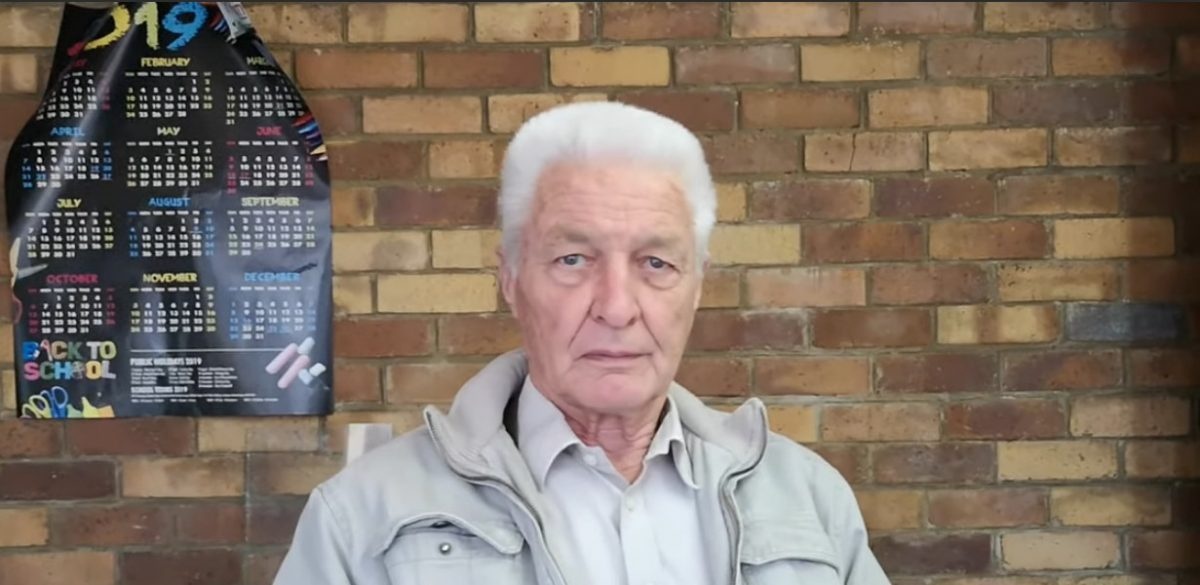
Die dorp Reddersburg het hom van ANC-politici bevry en inwoners verskaf nou self hul eie dienste aan blank en swart, soos wat mnr. Jaap Kelder in dié video verduidelik. Dit volg nadat die Kopanong-munisipaliteit weens wanbestuur onder administrasie geplaas is. Inwoners onthou wettiglik betalings aan die munisipaliteit en bedryf hul eie alternatief.
Etiket: munisipaliteit
Provinsies en stadsrade ondermyn demokrasie met nuwe wetgewing
Vernietig openbare deelnameproses landswyd en sentraliseer mag
KAAPSTAD. – Die Stad Kaapstad onder aanvoering van burgemeester Patricia de Lille en die DA Alliansie probeer tans drakoniese munisipale wetgewing deur die stadsraad gevoer te kry wat die amptenary in absolute beheer oor die woonomgewing van elke inwoner sal plaas.
Hierdie munisipale konsep-verordening waarmee Kaapstad nou besig is, volg op die nasionale Wet op Ruimtelike Beplanning en Grondgebruik wat verlede jaar in September deur die volksraad aanvaar is. Dit is gevolg deur Wet nommer 3 van 2014, die Wet op die Bestuur van Grondgebruik, wat in Februarie vanjaar deur die Provinsiale Rade aanvaar is en vir elke provinsie in die land geld. Albei hierdie wette word in September vanjaar van krag.
Die deurlopende beleid wat in hierdie opeenvolgende wette vervat is, is onteenseglik gerig op die sentralisering van provinsiale en munisipale mag, en die afskaling van openbare deelname en burgerlike insae in die regeringsproses.
Die Wet op die Bestuur van Grondgebruik bied ‘n bloudruk vir die skep van verdere munisipale verordeninge om openbare deelname tot niet te maak en munisipale mag te verskerp. Die meeste munisipaliteite gebruik reeds die provinsiale wetgewing om delegasiemagte aan burgemeesters en munisipale bestuurders oor te dra. Hierdie stadsraadslede en munisipale amptenare verkry gevolglik ongekende mag om despoties oor belastingbetalers te heers.
Die openbare deelnameproses is een van die min oorblywende magte wat Jan Publiek nog het om in ‘n mate die aard en status van sy woonomgewing te beheer en despotiese mag van amptenare en stadsraadslede af te weer.
Slaag die provinsies en stadsrade later vanjaar in hul doel, sal elke inwoner landswyd maar net gelate kan toekyk hoedat amptenare, burgemeesters en stadsraadslede na willekeur besluit wat in die woonbuurte mag gebeur en wat nie. So sal een van die belangrikste pilare van die demokrasie in Suid-Afrika val.
Kapitaalkragtige en invloedryke ontwikkelaars, byvoorbeeld, sal kan sloop en bou net soos hulle wil sonder om enige woonbuurt se aard en status, asook die regte, gevoelens en wense van die inwoners, hoegenaamd in ag te neem.
Die ontwikkelaars se vriende in die stadsraad en amptenary gaan hulle vrye teuels gee omdat groot kapitaal in die spel is. Kaapstad noem en roem homself tans daarop dat hy die Ontwikkelingshoofstad van die Wêreld is.
Geen hofaksie sal die amptenary en hul magtige vriende dan kan keer nie, want die openbare deelnameproses sal dan nie meer bestaan nie.
Dit is in landsbelang dat elke burgerlike eiendomseienaar alle druk op hul politieke verteenwoordigers plaas om die huidige poging tot sentralisasie van mag deur die provinsies en munisipaliteite, gesteun deur die sentrale regering, te stuit.
– praag-korrespondent in Kaapstad
* * *
COMMENT ON CITY OF CAPE TOWN DRAFT MUNICIPAL PLANNING BYLAW (version A1)
compiled by ML Roux
on behalf of the Habitat Council and CAPTRUST
This comment is submitted on behalf of the Habitat Council and of the Cape Environmental Trust (CAPTRUST)
Further to these four pages of comment, we also attach a summary in Excel format of certain problematic sections of the bylaw which identify to what extent democratic principles are ignored by the Bylaw.
-
Public participation
In general , it would appear that there is a (deliberate?) failure to give a proper place in the system to Public Participation. We believe this to be contrary to the Constitution and to PAJA and NEMA. It smacks of an invidious centralization of power, and is undemocratic. We urgently request that the provision for public participation be brought in line with the provision in these three Acts.
-
Principles and policy
Although the Bylaw purports to deal with development principles, it does not provide us with the comprehensive policy the City intends to apply with respect to land use decisions . Such policy must, after all, guide decision-making.
In terms of Section 3(7) of Land Use Planning Act [LUPA (Act 3 of 2014)], the Provincial Minister must support municipalities to perform their land use planning functions through appropriate measures, including one or more of the following –
S 3(7)(b) issuing standardised models or drafts of municipal policy, by-laws, decisions and forms
At what stage will the City provide us with the policies they will be applying when making decisions?
Basis of assessment of land use applications
S 49 of LUPA reads that, at the least, regard must be had to –
-
Spatial Development frameworks
-
Applicable structure plans
(c) Principles in Chapter VI [of LUPA, see below]
(d) the desirability of the proposed land use
Land Use Planning Principles listed in Chapter VI of LUPA
We quote the following instances:
LUPA S 59(2) Land use planning is guided by the following principles of spatial sustainability:
-
Land use planning should
(ii) ensure protection of prime, unique and high potential agricultural land
-
The sustained protection of the environment should be ensured by having regard to the following:
-
Natural habitat, ecological corridors and areas with high biodiversity importance
-
The provincial heritage and tourism resources
-
Areas unsuitable for development, eg. flood plains, steep slopes, wetlands… and landscapes and natural features of cultural significance
Note the reference to heritage resources and cultural significance. These terms, for example, occur nowhere in the Bylaw.
3. Scant mention of protection of the environment in the Bylaw
[Compare the requirements of the Land Use Planning Act [LUPA (Act 3 of 2014)]
Only in 10(2)(c) of the Bylaw is there mention of environmental features (environmentally sensitive areas, and high potential agricultural land) that must be mentioned in a Spatial Development Framework.
LUPA makes far more detailed and frequent mention of environmental protection.
It determines that the Provincial Minister must monitor provincial land use planning and the impact of one or more of the following matters on provincial land use planning:
Lupa S3(5)(f) Protection of biodiversity, heritage, and agricultural resources.
LUPA S 10(3)(d) mentions heritage, agricultural and tourism resources of provincial importance.
A municipal spatial development framework must be aligned with the provincial development plans and strategies and must include a map identifying at least the following in the municipal area.
LUPA S 10(3)(e) reads, “where relevant, area of recognized provincial ecological value, including –
-
Nature conservation areas
-
Areas of high biodiversity value
-
Areas requiring dedicated soil conservation
-
…
-
Areas requiring dedicated strategies to adapt to climate change and mitigate the impact of climate change.”
Does the City not consider it necessary to give prominence to environmental aspects??
Chapter 6, Part 8 of the Bylaw: CONDITIONS at long last mentions some environmental features:
S 40(1) When a municipality approves a land use application subject to conditions, the conditions must be reasonable conditions and must arise from the approval of the proposed utilization of the land.
S 40(2) These may include
(e) agricultural or heritage resource conservation
(f) biodiversity conservation and management.
-
Locus standi
It is not made clear in the Bylaw that the public, whether concerned individuals or NGOs, will have locus standi, such as is bestowed in S43 of NEMA and S 38 of the Constitution. We furthermore need to have it stated clearly in the Bylaw that persons or organizations litigating in the public interest will not be held liable for legal costs.
-
Establishment of Municipal Planning Tribunals
A municipality must, in order to determine land use and land development applications within its municipal area, establish a Municipal Planning Tribunal. With respect to the composition of a Municipal Planning Tribunal, (see S114(1)(d)), we ask that an appropriately qualified independent designated representative of a local civic or conservation organization be included among the members of the tribunal who are not officials.
-
The appeal process
We have not been able to gain clarity on what the position is regarding appeals. We must trust that what the Bylaw prescribes will be in line with the requirements of PAJA and the Municipal Systems Act.
The following sections must be commented on:
Section 113 (2) – the appeal authority must be an impartial assessor unconnected with the City’s political or administrative structure. As proposed, the appeal authority is judge and jury in its own cause, which is contrary to the country’s constitution
Section 114 (1) – the number of members of the Tribunal who are not officials must exceed the number who are officials
Section 118 (1) – the Tribunal must elect its chairman and deputy chairman from among its members. A City designation of these detracts from the impartiality of the Tribunal’s decisions
Kindly acknowledge receipt of this submission.
Youurs sincerely
Marie-Lou Roux
Oproerige stakers vandaliseer Sasolburg-munisipaliteit, kliniek
Die polisie moes van rubberkoeëls skokgranate gebruikmaak om oproeriges in Sasolburg uiteen te jaag.
Stakende werkers van Sasolburg se Metsimaholo-munisipaliteit het amok gemaak, het die Vrystaatse polisie gesê.
“Die werkers het die munisipaliteitgebou Woensdag met klippe bestook,” het ‘n polisiewoordvoerder, ao. Sellwane Mapamela, gesê.
Betogers het die munisipaliteitgebou sowel as ‘n kliniek gevandaliseer.
Werkers van die munisipaliteit het dié week oor salarisse begin staak.
Intussen het minister van samewerkende regering, Pravin Gordhan gesê die onderneming dat alle munisipaliteite teen die einde van die jaar skoon oudits sal ontvang, is onrealisties.
Gordhan sê die interministeriële taakspan oor dienslewering sal eersdaags vergader om haalbare teikens te bespreek.
Hy het in Port Elizabeth gesê net bevoegde personeel in finansiële poste kan ‘n oplossing bied vir die huidige swak ouditresultate.
Operasie skoon oudit is verlede jaar deur die voormalige minister, Sicelo Shiceka geloods.
Familie van vermoorde raadslid verloor vertroue in regspleging
Die familie van die vermoorde Rustenburgse raadslid, Moss Phakoe, sê hulle het vertroue verloor in die land se regstelsel, het RSG berig.
Dit volg nadat die Noordwes Hooggeregshof gister die skuldigbevinding en vonnis van die voormalige burgemeester van Rustenburg, Matthew Wolmarans en sy lyfwag, Enoch Matshaba ter syde gestel het het.
Hulle is in 2012 skuldig bevind in verband met die moord. Phakoe is in 2009 by sy huis in Rustenburg doodgeskiet nadat hy ‘n dossier oor beweerde korrupsie in die munisipaliteit aan senior ANC-lede oorhandig het.
Wolmarans is tot 20 jaar tronkstraf gevonnis, en Matshaba is lewenslange tronkstraf opgelê.
Die hof het hulle vrygelaat nadat ‘n sleutelgetuie sy getuienis teen hulle teruggetrek het.
Phakoe se seun, Papiki sê indien Wolmarans en Matshaba nie vir die moord verantwoordelik is nie, moet die skuldiges gevind word.
Hartebeespoortdam loop tans vol riool
Rioolafval van miljoene liter van die Madibeng-munisipaliteit stroom al sowat ’n maand lank elke dag in die Hartbeespoortdam luidens ‘n berig in Beeld.
Madibeng sluit Brits, Hartbeespoort, Mothlutlung, Damonsville en Letlhabile in waar ‘n groot aantal pompe buite werking is en die water ná uitgebreide toetse onrusbarend hoë E. coli-tellings wys.
Strafregtelike klagtes ingevolge die Waterwet is teen die aanspreeklike munisipaleit ingedien.
Patrick Morathi, munisipale woordvoerder, het aan die dagblad gesê ’n vergadering is met amptenare van waterwese en lede van die Hartbeespoort-gemeenskapsforum gehou en ’n tekort aan geld is as een van die grootste struikelblokke geïdentifiseer.