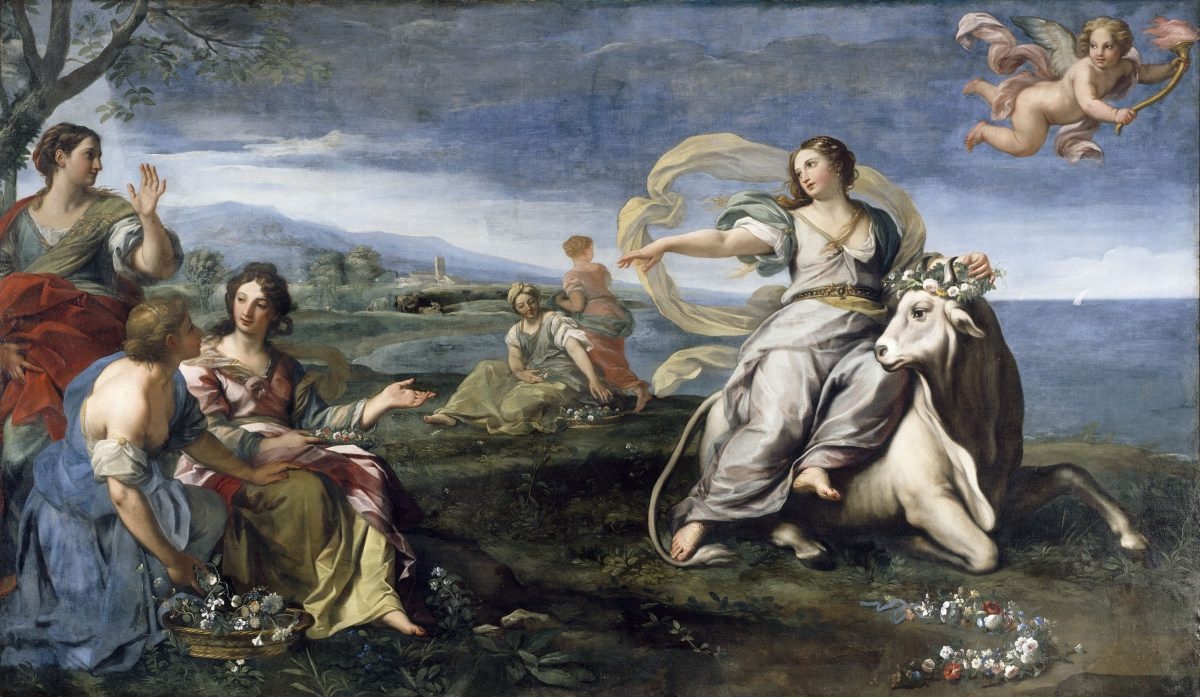
Leon Lemmer: Die kreatiewe, dinamiese ondernemingsgees van Europeërs

In die literatuur van die 20ste eeu word daar dikwels na die groot blanke bevolkings in Europa, insluitende Brittanje, en Amerika verwys. Dan word daar ook melding gemaak van kleiner blanke bevolkings elders en die standaardlys was vier statebondslande: Kanada, Australië, Nieu-Seeland en Suid-Afrika. Klaarblyklik is aan hoofsaaklik Engelstalige lande gedink, want Argentinië, Chili, Uruguay en Brasilië het ook substansiële blanke bevolkings, al is blankes besig om ‘n minderheid in Brasilië te word en is daar in Suid-Amerika geen duidelike onderskeid tussen wit en nie-wit mense nie. Mario Vargas Llosa skryf goedkeurend van ‘n “mestizo continent” (Duchesne, bron hier onder, Kindle 1815). Die groot blanke bevolking van Rusland is gewoonlik onvermeld gelaat omdat daardie land destyds as nie-Westers en as kommunisties en agter die ystergordyn beskou is. Rusland is “homeland to the most numerous European group in Europe” (1779), vandaar “Guillaume Faye’s vision of a Euro-Siberia federation” (1793).

Wat in die literatuur opval, is dat Suid-Afrika sedert die grondwetlike ramp van 1990/94 nie meer as ‘n blanke enklave genoem of gereken word nie. In globale perspektief het Suid-Afrika se blankes ‘n vergete minderheidsgroep geword. “Australia’s Asian population is soaring as immigrants from across the region – particularly China and India – enter the country” (1847). Minder bekend is dat blankes in Kanada, soos in Amerika, vinnig besig is om ‘n minderheid te word. In Amerika is die situasie nie heeltemal so benard as wat dikwels voorgestel word nie omdat baie van die Hispaniste, wat met die oog op “regstellende” bevoordeling amptelik as nie-wit gereken word, in werklikheid eerder blank is (G Cristina Mora, Making Hispanics: How activists, bureaucrats, and media constructed a new American, University of Chicago Press, 2014, 252p; Amazon Kindle $18,81). Soos die bruin bevolkingsgroep in Suid-Afrika is Amerika se Hispaniste ‘n politieke konstruk. (Volgens die HAT is die woord kleurling rassisties.)

In Kanada is Hispaniste nie so ‘n beduidende faktor soos in Amerika nie. Oor die situasie in Kanada het Ricardo Duchesne in Augustus 2017 die volgende boek gepubliseer: Canada in decay: Mass immigration, diversity, and the ethnocide of Euro-Canadians (Black House Publishing, 2017, 374p).* Vóór dit het die volgende boek van Duchesne verskyn: The uniqueness of Western civilization (Brill, 2011, 527p). Albei hierdie boeke is nog nie as e-boeke beskikbaar nie maar is op my leeslys.

[* “As late as 1971, when official multiculturalism was introduced, Eurocanadians still made up over 96% of the population. Projections by Statistics Canada (2010) now estimates that one-third of Canada’s population will be a visible minority by 2031, ‘whites will become the minority in Toronto and Vancouver over the course of the next three decades'” (1847; ook 919). “As of 2011, non-Whites or ‘visible minorities’ constitute the majority in Vancouver, 51.8%, whereas Eurocanadians have been drastically reduced to 46.2% of the population, with projections showing that they will constitute only two out of five residents by 2031” (463). “The non-European immigrants arriving into Canada were interested in assimilating only to those aspects of Canadian culture that allowed them to keep their ethnic identity and advance their own ethnic interests” (476).]

Sedert Maart 2017 is die volgende boek van Duchesne maklik bekombaar: Faustian man in a multicultural age (London: Arktos, 2017, 262p; Amazon Kindle $11,39). Die outeur is ‘n dosent in sosiologie aan die University of New Brunswick in Saint John, die oudste Engelstalige universiteit in Kanada; maar dit lyk asof Duchesne veral as historikus bedrywig is. Faust is die legendariese towenaar wat sy siel aan die duiwel verkoop het en die skepping van talle literêre en klassieke musiekwerke geïnspireer het. Vir die doeleindes van hierdie rubriek is die volgende definisie voldoende: “’Faust’ and the adjective ‘Faustian’ imply a situation in which an ambitious person surrenders moral integrity in order to achieve power and success for a delimited term” (Wikipedia).

Dit is algemeen bekend dat Europese beskawing hoogs suksesvol was en wêreldwyd groot mag uitgeoefen het, maar dat daardie aansien en mag skynbaar aan die kwyn is en dat die tradisionele moraliteit van hierdie kultuur deesdae ingevolge kulturele marxisme* bevraagteken word. Duchesne ontleen sy gebruik van die begrip “Faustian” aan veral Oswald Spengler (1880-1936): “the irrational Faustian spirit of Western creativity” (114). Ek het voorheen oor Spengler geskryf (Praag 12 November 2016).

[* “The standard definition of cultural Marxism is that, unlike classical Marxism, it is an ideology preoccupied with the transformation of Western culture generally rather than the replacement of Capitalism with Communism. Cultural Marxists are dedicated to gender equality through the abolition of male and female traditional roles in society; to sexual equality through the downgrading of heterosexuality and the celebration of polymorphous sexual relations; to the replacement of Christian morals with politically correct morals; and finally to the abolition of ‘white supremacy'” (536). “We can talk about ‘racialised’ minorities or non-whites, and about black pride and Asian identity, and … about different medical diagnoses for different races, but never about white pride and white identity” (557).]

Aavanklik was ek ietwat skepties oor Duchesne se oriëntasie vanweë daardie goedkeurende verwysing na die irrasionele. Aan die ander kant toon die temas van sy boeke dat sy hart ongetwyfeld reg klop. Duchesne is “a subject of controversy with numerous complaints filed against me to the president of the university where I was working” (919). Hy skryf: “race is a factor that must be taken … seriously” maar “I am not a race determinist” (121), wat redelik klink omdat ras nie alles-bepalend is nie. Na aanleiding van James Burnham se boek, Suicide of the West (Praag 1.10.2016) skryf Duchesne: “There was something wrong about the nature of contemporary liberalism and rationalism” (114). Maar hy skryf ook: “I don’t view liberalism itself, as some in the Alt Right do, in negative terms as a form of ‘rationalism’” (129). “Liberalism is inherent to Western identity” (136). Liberalisme doen hom in talle gedaantes voor, waarvan sommige myns insiens afgewys behoort te word, al is seker alle mense positief ingestel teenoor sommige soorte vryheid.

Om rasionalisme af te wys, is egter problematies, maar Duchesne verheerlik irrasionalisme slegs in soverre hy dit assosieer met bv die impulsiewe kreatiewe en weetgierige gees van Europeërs. Byvoorbeeld, die destydse ontdekkingsreise van bv die Portugese en Spanjaarde vanaf die 15de eeu bevat ongetwyfeld ‘n beduidende skeut irrasionaliteit, maar dit is hierdie soort ondernemingsgees wat Europeërs/blankes wêreldwyd op die kaart geplaas en hulle prestasiegewys duidelik bo ander rasse laat uitstyg het. “Almost all the explorers in history were European” (3689).

In Charles Murray se boek, Human accomplishment: The pursuit of excellence in the arts and sciences, 800 BC to 1950 (New York: HarperCollins, 2003, 688p; Amazon Kindle $10,53), word aangetoon “97% of accomplisment in the scientific inventories occurred in Europe and North America” (4007). Murray “notes that the sheer number of ‘significant figures’ in the arts is higher in the West in comparison to the combined number of the other civilisations” (4015). Die prestasies wat Murray in ag neem “come only in the form of ‘great books’ and ‘great ideas'” (4023), terwyl daar ook baie ander prestasies was, bv in “warfare, voyages of discovery, and heroic leadership” (4015). Vir die positiewe dinge wat diesulkes vermag het, word hulle nasate deesdae kwalik geneem.

“The West had in fact been far more creative than all the other civilisations combined, and … it was the aristocratic heroic culture of the ill-reputed ‘Aryans’* which had initiated the West’s creative dynamic” (265). “Non-Western countries needed to Westernise in order to modernise” (302) maar “modernisation was not identical to Westernisation” (309). “What made the West unique was its rise to modernity before other civilisations” (342). [* Aryan: “The hypothetical parent language of an ancient people believed to have lived between Central Asia and Eastern Europe and to have reached Persia and India in one direction and Europe in another, some time in the 2nd century BC, diversifying into the various Indo-European language speakers of later times” (Collins World Encyclopedia, 2003, p 55).]

Dwarsdeur sy boek kwalifiseer Duchesne sommige van die standpunte wat hy in sy 2011-boek ingeneem het. Dit kan die leser se vertroue in die outeur ondermyn omdat dit kan lyk asof hy nog nie weet wat om te dink nie. Sedert ek hierdie boek klaar gelees het, is dit egter vir my duidelik dat hy gesoek en al hoe meer gevind het; dat hy ongetwyfeld op die regte pad is. Dit gaan vir hom nie soseer om Westerse mense nie as om “the Europeans whom I identify in this book as a sub-race of the White race” (129). Duchesne en Spengler gebruik egter afwisselend (maar ongelukkig inkonsekwent) sowel die enger begrip Europees as die breër begrip Westers.

Die kern van Duchesne se boodskap is: “What is really troubling today about the relative decline of the West is mass immigration, race-mixing, and the permanent marginalisation of Europeans as a race in the world, and for this we should blame cultural Marxism rather than liberalism” (136). “The ‘ultimate’ factors in Western decline were not cultural, economic or even evironmental, but the complete control of Western nations by elites dedicated to mass immigration and the dissolution of the racial interests of Europeans” (904). Oor rasionalisme bring Duchesne homself spoedig ook in die reine: “Ethnocentrism is a rational and healthy human attribute explainable in Darwinian terms. Europeans are uniquely rational, and this disposition is itself a component of their Faustian psychology” (143).

Oor massa-immigrasie skryf Duchesne: “Could Europe really be identified as ‘Western’ once ‘a fifth of Europeans’ were designated as Muslim ‘by 2050’?” (387). Guillaume Faye stel dit soos volg: “Islam corresponds to nothing in the European soul and temperament. Its massive introduction into Europe would disfigure a European culture already damaged by Americanization. An assertive dogmatism, an absence of the Faustian spirit, a fundamental denial of humanism (understood as the autonomy of the human will) in favor of an absolute submission to God, an extreme rigidity of social obligations and prohibitions, a theocratic confusion of civil society, religion and the political State, an absolute monotheism, a profound ambivalence towards artistic freedom and scientific inquiry – all these traits are incompatible with traditional European patterns of thought” (395).

Oor rasvermenging die historikus Niall Ferguson “surmises that race mixing represented the fulfilment of Western egalitarianism; that the emergence of a ‘homogenised humanity’ through the ‘democratic’ blending of races, religions and cultures, is the ultimate end of history” (364). Ferguson het sy deel bygedra deur van sy blanke vrou (met drie kinders) te skei en met ‘n Somaliër te trou (712). “Race mixing is being promoted by the media, universities, textbooks, and politicians” (1854) – ook in Suid-Afrika. Edmund Burke (1729-1797), daarenteen, beklemtoon “the particular customs and folkways of different cultures” (372). “The core of Burke’s conservatism is fear of rootlessness, and revolutionary agendas that disregard ancestry and hierarchy, loyalty and duty, inherited habits and prejudices” (378) – dalk eerder voorkeure as vooroordele.

“Mass immigration by non-Europeans involves ethnic displacement by people with different genetic interests. The greater the genetic distance between the native Europeans and the immigrants, the greater the genetic loss to the nation” (881). Volgens Frank Salter “the ultimate interest is not happiness, nor liberty, nor individual life itself, but genetic survival” (896). “It is the preservation of the racial distinctiveness of Europeans and other races in the world. Salter calls for a ‘universal nationalism’ in which all ethnics have a right to self-determination and all ethnics learn to co-exist peacefully … Globalisation is consistent with ethnic national self-determination” (896). Maar Michael Polignano skryf: “I fear that Salter’s universal nationalism, like all forms of unreconstructed liberalism, will only prove a disadvantage to Whites. Moralistic abstractions about fairness and rights will not secure our survival if a ruthless, predatory, and amoral race gains the power to make ultimate decisions about the destiny of life on this planet” (936). Dink aan wat in die nuwe Suid-Afrika as mikro-kosmos gebeur.

“Western nations, as Salter observes, are ruled by both corporate and liberal-minded elites who have little identification with their own people, live cosmopolitan lifestyles, intermarry across ethnic lines, and are committed to open borders, cheap labour, and diversification. The problem is not immigrants per se, since they are simply coming to lands welcoming them as cultural enrichers where they are encouraged to affirm their ethnic and religious identities” (912). Duchesne skryf: “The West was declining by being colonised demographically” (927). Byvoorbeeld: “In ‘n stadium het ongeveer 20 000 Britse burgers in Zimbabwe gewoon, terwyl minstens 112 000 Zimbabwiërs in Brittanje gewoon het” (Die Burger, 17.02.2018, p 10).

Pierre L van den Berghe, ‘n sosioloog en volkekundige wat voorheen aan die Universiteit Natal verbonde was, beweer: “Preference for individuals of the same ethnicity (Irish, German, Chinese, Mexican), or of the same race (White, Black, Asian) is part of our human nature. Ethnocentrism is simply a ‘propensity’ to favour kin, and this propensity, as actualised in politics, is a form of nepotism” (491); eerder groeps- of volksgebondenheid as nepotisme – dit klink beter.

Dalk kom nepotisme eerder by nie-wittes as by blankes voor. “Europeans tend to be more individualistic, less collective in their ethnic awareness, for complex historical reasons, combined with the reality that non-Europeans are more collective and racially aware. These non-Europeans practice ethnic nepotism and engage in the highly threatening practice of free-riding ethnic behaviour by utilising welfare services, schools and national infrastructure created and sustained by Europeans, whilst at the same time being cheered on by a cultural Marxist establishment that prohibits whites any racial awareness” (888).

Sowel rasvermenging as multikulturalisme word deur kulturele marxiste gepropageer ten einde blanke, Westerse of Europese kultuur te verdun en uiteindelik te vernietig. “Multiculturalism was an asymmetrical system in which Europeans, and only Europeans, were expected to celebrate other cultures, feel guilty about their own ethnic identity, and behave as universal altruists; while at the same time non-Europeans inside the European homelands were being encouraged to practice their in-group ethnic interests. It became obvious that multiculturalism was not simply about ‘understanding’ different cultures but about accepting mass immigration into European lands” (844).

In hoofstuk 1 redeneer Duchesne dat “the cycles of civilisational rise and decline have been a natural phenomenon in the history of cultures but never has a decline come along through the existence of a hostile elite breaking up the racial identity of a people, which would mean permanent decline and extinction” (151). Hy verwys hier na kulturele marxisme. “Spengler believed that in his time the West had reached old age and had already actualised its unique Faustian soul” (196). Maar: “In his later writings, Spengler saw new forms of Faustian expression in modern industry and science … He remained however a pessimist in anticipating the eventual exhaustion of the West’s energies” (205).

Duchesne is meer optimisties as Spengler: “The historical record shows that a civilisation need not disappear completely, nor suffer permanent death. According to the theory of cycles, what civilisations experience are temporary downturns followed by renewals, unless they are conquered outright by stronger ones, absorbed within larger and more dynamic civilisations, or utterly destroyed” (205).

Om die “geographical boundaries and histories of the West” vas te stel, moet die geldigheid van die begrip ras, volgens Duchesne, noodwendig erken word (233). Voorheen kon die grense van die Weste makliker as tans vasgestel word. Weens massa-immigrasie word die Weste op die oomblik gekenmerk deur “a thoroughly mongrelised geography” (1862). Volgens Ted Sallis is ‘n ras wesenlik “a genetically distinct subpopulation that is characterised by a suite of heritable (genetic) phenotypic* traits distinguished from other such groups” (866). “The West was a civilisation developed by ethnic Europeans and … immigration posed a threat to this ethnic identity” (240). Aan Amerikaanse universiteite word die studente anders wysgemaak: “Every student is taught right from the start that race is not just a construct but that discussions of white identity violate the very liberalism we have come to identify with the West” (248). [* Phenotype: “In genetics, visible traits, those actually displayed by an organism … The phenotype is … modified by the effects of the environment” (Collins World Encyclopedia, 2003, p 721).]

“The current official policy of the American Anthropological Association is that ‘any attempt to establish lines of division among biological populations [is] both arbitrary and subjective.’ This is also the policy of the American Sociological Association: ‘race is a social construct'” (255); “the term ‘race’ should be used as a way of identifying and measuring ‘racial inequalities’ in society … the American Anthropological Association released a ‘statement on race’ (May 7, 1998) forbidding academic anthropologists from any notion that there are biological differences between population groups categorised as races” (625). Maar sedert 2003 is dit gekwalifiseer met “allowing academics to use data categorising Americans in different racial groups as long as the intention was to show certain groups were being discriminated and racialised” (625).

“What concerned me above all was challenging the leftist idea that the historic West was a social construct without any cultural boundaries. I rejected the view that a proper liberal attitude required an egalitarian view of world history” (272). Wat Europeërs histories gemeen het is “Greco-Roman humanism, Christianity, Indo-European languages, and the European high culture” (295).

“Chapter 2 looks at the evolution of a European ‘sub-race’ (within the Caucasian race)* … and how this sub-race evolved” (151). “European peoples constitute a distinctive subrace within the Caucasoid race that is unique to the continent of Europe. This subrace evolved in this continent, and is the one directly responsible for the development of Western civilization” (998). Volgens Carleton Coon is daar “three main sub-species of races (Caucasoid, Mongoloid en Congoloid)” (1020), dus die wit, geel en swart ras. Michael Hart definieer ras as “a large group of individuals – all of them members of the same species – who have formed a partially or completely isolated breeding population for a significant period of time, and who consequently differ statistically from the rest of the species in various heritable traits by which they can be recognized” (1036). [* Koukasies: “Van, betreffende die blanke tipe mens” (HAT).]

“It was not until about 5800 years ago that light-skin genes, as well as other genes for blue eyes and blonde hair, started to show up at a high frequency among the inhabitants of Europe” (1097). “The Aryans … started coming to Europe 4800 years ago after they had evolved white traits” (1278). “The aristocratic culture of Indo-Europeans constituted the original foundation of the West’s far more creative and dynamic path … [It could be that] this lifestyle left an imprint on the genetics of Indo-Europeans, producing personality traits, such as a greater willingness to take risks and to be aware of oneself as an individual rather than being completely submerged within one’s group” (1346). “Europeans have remained a very cohesive subrace through their entire history, apart from some Caucasoid input from the Near East” (1421), bv “the Etruscans [8th to 2nd centuries BC] were the only non-Indo-European people in the Italian peninsula” (1636).

“Chapter 3 examines how the teaching of Western civilisation has been replaced by multicultural histories aimed at downplaying Western achievements, demonising Western actions, elevating the achievements of non-Western peoples” (157). Westerse beskawing as vak is by feitlik al die Amerikaanse universiteite met wêreldgeskiedenis vervang (2094). Die unieke historiese dinamiek van blankes word deesdae in die akademie algemeen ontken (2101). “Students are being indoctrinated to believe that Europeans were unique mostly in the ‘windfall’ profits they obtained from the Americas, the ‘lucky’ presence of coal in England, and the blood-stained manner they went about creating a new form of international slavery combined with ‘scientific’ racism” (2115). Daarteenoor verwys Duchesne na Immanuel Kant (1724-1804) “who observed that ‘so fundamental is the difference between these two races of man [ie Black and White] …as great in regard to mental capacities as in color'” (2796).

Die oogmerke is “to downplay Western uniqueness, equalise the achievements of all races in world history, blame Europeans for the backwardness of other civilisations, while emphasising the connections of the West with the rest of the world in order to make non-European immigrants feel that they have contributed as much to the making of the West as Europeans. In this way, they wish to create a historical account that is suitable to a heterogeneous race-mixed Western culture consistent with the protocols of diversity enrichment” (2101). Wat gepropageer word, is “the imagined merits of a multiracial society inside European-created cultures” (2146). “The scholarship promoted by our current elites demands a view in which Europeans don’t exist except as hybrids, borrowers, and imitators” (2889). Soos Tim Whitmarsh dit stel: “In this story of interconnectedness and hybridity … there lie enormous intellectual and humanist opportunities” (2938).

Met groot finansiële ondersteuning lei Patrick O’Brien aan die London School of Economics ‘n navorsingsprojek, “Useful and reliable knowledge in global histories of material progress in the East and the West.” Dit kom onder meer neer op “rewriting the history of Europeans in accordance with the principles of cultural egalitarianism and racial inclusiveness” (2203), asook, na bewering, “transcending ‘the myopias imposed by the frontiers and chronologies of continental, national or local histories'” (2217). Dit is ‘n poging “to dissolve Europe’s identity and sense of accomplishment” (2226). Dit gaan om “useful knowledge” toegespits op materiële oorwegings, waarmee Europa se onoortroffe kulturele prestasies geïgnoreer word (2233).

O’Brien se Global Economic History Network (GEHN) “promotes England to the world and to potential international students as an ideal cosmopolitan place for the mixing of cultures and races against the ‘parochial’ identity of the British past” (2468). “The central premise of multiculturalism – that all cultures are equal in achievements and merit – is accepted ab initio. GEHN takes it for granted that Engeland’s (and Europe’s) intensified globalisation ought to come with multiculturalism (and mass immigration), without making it a subject of research. Nor is there any interest in asking whether Asian nations, too, should be experiencing globalisation while undermining their own national identities and inviting their countries to be flooded by immigrants” (2490).

“Chapter 4 makes a case for the importance of Spengler’s concept of a Faustian soul for the understanding of Western creativity, with the intent of showing that the Indo-Europeans were the original Faustian men of the West, in a way that set them apart from all other peoples, Huns, Mongols, Turks, and other groups, from the Steppes” (157) – “the Pontic-Caspian steppe, which is in present day Ukraine” (1772; ook 3442). “Spengler’s idea that the West was driven by a creative and expansive psyche is indispensable to the understanding of European history. The word ‘Faustian’ captures the multifaceted character of Western creativity in all the spheres of life better than such commonly used terms as ‘individualism,’ ‘liberty,’ ‘rationalism,’ ‘separation of church and state’ or ‘representative democracy’… the Indo-Europeans were the original Faustian men and the most historically significant nomads of the steppes” (3257).

“‘Faustian’ is the word Spengler used to designate the ‘soul’ of the West. He believed that Western civilisation was driven by an unusually dynamic and expansive psyche” (3271). “Each culture contains a unique spirit of its own” (3357). In Europa en die Weste was kreatiwiteit die dinamo vir dinamiese handelinge. “My view … is that the Indo-Europeans were a highly special people” (3538). “Starting from their homelands in present-day Ukraine, the Indo-Europeans successfully colonised the entire European continent” (3617). “The West can reassert itself, unless the cultural Marxists are successful in their efforts to destroy this Faustian spirit permanently through mass immigration and miscegenation” (3809). Kan die plaaslike blankes, veral die Afrikaners, ten spyte van kulturele marxisme, weer opstaan en hulleself laat geld? ‘n Deurslaggewende vereiste vir ‘n suksesvolle nuwe Suid-Afrika is ‘n herwaardering van blankes.

“Chapter 5 uses the Faustian idea as part of an effort to show that almost all the explorers in history were European and that the driving motivation for European exploration was Faustian rather than economic” (164). Kulturele marxiste probeer egter om al die prestasies van Europeërs, Westerlinge en blankes te verkleineer. Desnieteenstaande “universities cannot ignore altogether the cultural achievements of Europeans, otherwise they would have little to teach – all the disciplines, after all, were created by Europeans – the emphasis tends to be on the evolution of ‘progressive’ ideas, framed as if they were universal ideals by and for humanity. Egalitarians particularly enjoy teaching how these ideas have been improved upon, and continued to be, through the ‘critical thinking’ of teachers and activists. They envision themselves as activists fighting for the welfare of non-whites and females. This has entailed not just an emphasis on non-European experiences, but an outright depreciation and steamrolling of European greatness” (4036).

Jacques Derrida (1930-2004) se dekonstruksiebegrip “has taught thousands of students to suspect anything that was held in high esteem or deemed to be great and noble in the past, as nothing more than ‘Eurocentric’ prejudice that needs to be brought down. This, in order to open the way for the ‘full expression’ of human talents leading to the democratic validation of all peoples” (4054). “Ernst Breisach writes, that deconstruction, in principle, calls for each culture to be challenged and eroded from within, since each culture engages in exclusions and hierarchical judgments; yet, as he adds, ‘so far, Derrida and other post modernists have focused exclusively on the deconstruction of the West’s understanding of the world and history” (4740).

Die herskrywing van die geskiedenis is ‘n belangrike deel van kulturele marxiste se agenda. “‘History from Below’* directed attention to the important roles the masses had played politically, in bringing about major revolutions. It argued that history was not an affair of the upper classes only, using the French Revolution as an example of how even its ‘bourgeois’ phase was driven by the action of peasants and artisans, and how the proletariat was destined to be the main agent of history in ushering Communism. This approach, advanced by Marxist historians, would be extended by feminists and cultural Marxists generally into a call for a new history that would include the ‘indispensable’ roles and achievements of a whole host of ‘minorities’ neglected by traditional academics (ie gays, transsexuals, lesbians, blacks, etc), all of which contained a corresponding assault, and inevitable devaluation of the one agent that stood out as unoppressed, as ultimate oppressor: white hetero males, the very beings responsible for almost all the greatest works in Art and Science” (4077). [* ‘n Voorbeeld van voetsoolvlak-geskiedenis is die karaterisering van Afrikaans as ‘n kombuistaal en die verheerliking van die slawe en Khoi-San se bydrae tot die ontstaan van Afrikaans.]

“The argument by World Systems Theory* is that the ‘core’ countries of the West had achieved their status as advanced cultures by exploitation and holding down the ‘periphery’ and that a true historical narrative entailed an appreciation of the morally superior ways of Third World peoples struggling to liberate themselves from a world system controlled by white owned multinationals. This too has had an immensely negative impact on students, leading them to believe that the West only managed to modernise by extracting resources from the Third World and enslaving Africans and Natives. This highly influential school has missed the far more important role of modern science and liberal institutions in the industrialisation of Western European nations” (4084).

[* World Systems Theory, soos GEHN, is marxisties van oorsprong en sterk op ekonomiese oorwegings ingestel. Wêreldstelsels eerder as individuele lande word beklemtoon. Volgens die wêreldkaart wat daaroor by die Wikipedia-artikel gepubliseer is, was die stabiele lande in die tydperk 1975 tot 2002 Amerika, Kanada, Wes-Europa, Japan, Australië en Nieu-Seeland. Op die rand van ekonomiese stabiliteit was Mexiko, Brasilië, Uruguay, Chili, Argentinië, Tunisië, Suid-Afrika, Turkye, Israel, Iran, Maleisië, Singapoer en Suid-Korea. Hiervolgens was dit oorwegend blanke lande wat ekonomiese voorspoed beleef het.]

“Michel Foucault [1926-1984] and the postmodernist currents swept the academic world in the 1970s and 80s with the claim that truth was a matter of which discourse held power rather than a question of ‘objectivity’. This has been used to bring down any ‘metanarrative’ that prioritises the role of Europeans in history, in the name of discourses expressing multiple voices. This discursive assault has led students to believe that there is no way to ascertain the achievements of cultures, since reality is a construct of the discourses within which said reality is evaluated … the rise of the West was no more than a preoccupation with the deeds of ‘dead white males'” (4091).

“Meanwhile, ‘ethnomethodology’ afforded a method by which to bring out the voices of the marginalised in society, the ones who had been silenced by the official discourses of ‘Western social scientists’. Students were obligated to hear their folk-ways, their forms of expression, ‘the silences or absences’ of marginalised criminals, drug addicts, black lesbians, the mentally impaired, on the grounds that there was as much to be learned from their ‘voices’ than from the now sterile and biased works of the Western Canon.* Of course, the ones in charge of hearing these voices have generally been well-off academic whites, and non-whites looking to profit from white-created countries” (4099). [* Byvoorbeeld, Harold Bloom, The Western Canon: The books and school of the ages (London: Papermac, 1995, 578p). “We are destroying all intelletual and aesthetic standards in the humanities and social sciences, in the name of social justice” (p 35).]

Felipe Fernández Armesto se boek, Pathfinders: A global history of exploration (2006), word voorgehou as “an excellent example of how someone committed to egalitarian cultural achievements in history reacts in the face of persistent European greatness in exploration” (4139). Ruimte ontbreek om in besonderhede te vertel van die briljante manier waarop Duchesne sy mede-historikus Armesto aan die kaak stel. “Armesto’s mindset is paradigmatic of what is going on in academia today in the face of the great achievements of European males” (4626). “The most glaring expression of Armesto’s contempt for European achievement is his cynical and cowardly account of Robert Falcon Scott’s tragic expedition to the South Pole in 1911-1912” (4635). “Armesto’s book is a complete travesty and a direct testimony of the deceitfulness of academics determined to spit on the greatness of European history, solely for the sake of enforcing a make-believe world of equality and racial mixing in the West. The history of the West has been virtually banned in academia, and nowhere is the history of exploration being taught other than as a history of imperialism and ‘othering'” (4693).

Die ontaarding van die werklikheid, gelei deur blanke Westerse elite, soos hierbo geskets, is in baie opsigte goed aan ons bekend. Hierdie werklikheid is wesenlik ‘n weerspieëling van die destruktiewe gevolge van kulturele marxisme, met die nuwe Suid-Afrika, soos ons hom daagliks ervaar, as ‘n sprekende voorbeeld. Byvoorbeeld, die herskrywing van die geskiedenis om die politieke bewindhebbers te pas, is nie tot buitelandse historici, soos Armesto, beperk nie. Hermann Giliomee skryf dat “die mees wydgelese algemene geskiedenis van Suid-Afrika” is Rodney Davenport en Christopher Saunders se South Africa: A modern history. In die 5de uitgawe (2000, p 674) word “geargumenteer dat sowel die Eisenlen-verslag [1951] as die wet [op Bantoe-onderwys, 1953] gegrond was ‘op die veronderstelling van die Afrika-verstand se minderwaardige potensiaal’ en dat die wet ‘uitdruklik ontwerp is om die swart mense vir ‘n minderwaardige plek in die samelewing voor te berei.’ In die vorige uitgawe (1987) is daar geen verwysing na sulke veronderstellings of idees nie [p 375]. Die 2000-uitgawe maak ‘n kniebuiging na die feit dat ‘n nuwe regering, behep met rassisme, aan bewind gekom het. Apartheid is nie meer as ‘n onreg of misleide beleid beskou nie, maar as die boosheid self” (Die laaste Afrikanerleiers, Kaapstad: Tafelberg, 2012, p 69-70).

Terug by die opskrif van hierdie rubriek. Ons moet onsself eerlik afvra: Wat het geword van die kreatiewe, dinamiese ondernemingsgees wat so kenmerkend van die Afrikanervolk was? Apatie gaan ons nie uit die gat bekend as die nuwe Suid-Afrika kry nie.
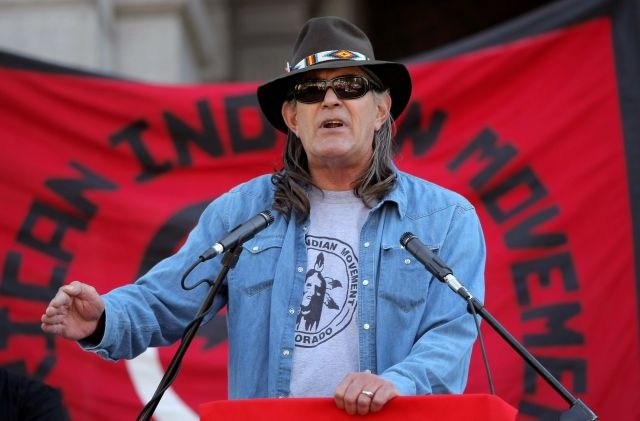
Leon Lemmer: Ward Churchill se verheerliking van geweld

In Amerika word daar gewoonlik vier rasgroepe onderskei: blankes, swartes, Hispaniste en Indiane. Anders as in Suid-Afrika is blankes daar die meerderheidsgroep. Soos in Suid-Afrika is die Amerikaanse blankes oorspronklik van Europa en die swartes van Afrika afkomstig. Die groot verskille (bv kultureel) tussen blankes en swartes is algemeen bekend. Die Spaans- en Portugeessprekende Hispaniste, afkomstig uit Sentraal- en Suid-Amerika, speel in Amerika ‘n beduidende rol maar glad nie in Suid-Afrika nie. Die Amerikaanse bevolkingsgroep waarvan ons plaaslik seker die minste kennis dra, is die Indiane. Hulle is minder as 2% van die Amerikaanse bevolking teenoor 13% swartes en 16% Hispaniste. Daar is ‘n vyfde Amerikaanse bevolkingsgroep, die Asiate, wat groter as die Indiane is, naamlik 5%, maar hulle is hoogs onprominent in die medediging om bevoordeling. Dit is die Hispaniste, Indiane en veral die swartes wat op bevoordeling ten koste van die blankes aandring.

Die Indiane (American Indians) word deesdae Native Americans genoem, enersyds om hulle van die Asiate te onderskei en andersyds om te beklemtoon dat hulle hulle voor die ander rasgroepe in Amerika gevestig het. Alle nie-Indiane verkry sodoende die status van setlaars, terwyl die Indiane in werklikheid via die Bering-seestraat uit Asië na Amerika geëmigreer het. In Suid-Afrika het die Khoi-San deesdae ‘n soortgelyke dierbaarheidstatus van “altyd hier gewees.” Die blankes, wat oor die see van Europa na Suid-Afrika gekom het, word as setlaars en gronddiewe gebrandmerk. Die swartes, wat te voet uit die noordooste Suid-Afrika binnegekom het, word egter nie setlaars en gronddiewe genoem nie. Hulle misbruik hulle verswelgende meerderheid om die blankes insgelyks van gronddiefstal te beskuldig. Die destydse Kaapse slawe word ook nie as setlaars gebrandmerk nie. Afgesien van kultuur is die groot onderskeid tussen die blankes en die ander bevolkingsgroepe in wat hulle konkreet tot stand gebring het. Dit word deesdae egter polities byderwets verswyg. Die Khoi-San en slawe het eintlik niks noemenswaardigs nagelaat nie. Maar polities byderwetses kom deesdae tot hulle redding met die bewering dat die Khoi-San en slawe op ‘n mistieke manier Afrikaans in die kombuise gefabriseer het (Praag 11 Februarie). ‘n Nuwe taal kan blykbaar soos ‘n haas uit ‘n hoed getrek word. Daarna het die Boere/Afrikaners glo naas grond ook hierdie taal van hulle gesteel.

Die afmetings wat die bevoordeling van nie-wittes aanneem, is ongelooflik. In Amerika verkies mense om indien enigsins moontlik eerder aan ‘n minderheidsgroep te behoort as om as lid van die meerderheidsgroep, die blankes, op eie prestasie aangewese te wees. By Amerikaanse minderheidsgroepe is daar min(der) druk op individuele prestasie. Soos in Suid-Afrika verseker groeplidmaatskap bevoordeling, met net die blankes wat vir benadeling uitgesonder word. ‘n Bekende voorbeeld is Todd, die eggenoot van Sarah Palin. Sy was in 2008 die visepresidentskandidaat in John McCain se onsuksesvolle verkiesingsveldtog. Todd Palin is net ‘n agste Eskimo (of Inuit/Aleut, soos hulle deesdae genoem word). “It was a tricky thing to be just Native enough to seem glamorous, but not so Native that it was obvious. Todd could easily pass for all white” (Joe McGinniss, The rogue: Searching for the real Sarah Palin, New York: Crown Publishers, 2011, 336p; Amazon Kindle $12,99, 320). “When he gets drunk he starts talking like a Native” (327). ‘n Soortgelyke geval is Ward Churchill (gebore in 1947) wat ‘n Indiaan wil wees en op wie ek in hierdie rubriek fokus.

Churchill was ‘n dosent in etniese studies aan die University of Colorado Boulder. Teen 2005 het hy berug geword weens ‘n 2001-essay (wat in 2003 tot ‘n boek aangedik is) waarin hy beweer dat die 9/11-aanval ‘n natuurlike gevolg van die Amerikaanse buitelandse beleid was. Hierdie beleid is gekarakteriseer as “ongoing genocidal American imperialism.” Die mense wat in die Wêreldhandelsentrum omgekom het, die “technocratic corps,” was volgens Churchill “little Eichmanns.” Die universiteit het Churchill se navorsingsbedrywighede ondersoek en hom in 2007 weens plagiaat en die fabrisering en vervalsing van navoringsresultate ontslaan. Hierna het ‘n reeks hofsake gevolg, wat eers in 2013 finaal in die guns van die universiteit beslis is.

Die radikalisering van Churchill se opvattings word aan die Amerikaanse deelname (1964-1973) aan die Vietnamese oorlog toegeskryf. “It was the armed struggle waged by the Vietnamese themselves – without the pretense of systematic support from the American pacifists – which finally forced the war to a close” (Churchill, bron hier onder, Kindle 1039). In 1978 het Churchill as ‘n regstellende aksie-amptenaar sy loopbaan aan die University of Colorado Boulder begin. In 1990 het hy ‘n medeprofessor en in 1997 ‘n volle professor in etniese studies geword, met Indiaanse studies as sy spesialiteit. Sy aanstelling was klaarblyklik van ‘n polities byderwetse aard (“a special opportunity position”) want hy het ‘n magistergraad gehad pleks van, soos normaalweg vereis word, ‘n doktorsgraad. In 1992 het Alfred University ‘n eredoktorsgraad aan Churchill toegeken.

Churchill se aanspraak op die status van etniese Indiaan is betwis. In 1992 het hy gesê hy is ‘n agste Creek en ‘n sestiende Cherokee. Die volgende jaar het hy beweer dat hy ‘n sestiende Creek en Cherokee is en in 2005 drie-sestiendes Cherokee. In die 1930-sensus is albei sy ouers egter as blank beskou. Die Indiane aanvaar iemand as een van hulle ras as hy minstens ‘n kwart Indiaanse bloed het; iets wat Churchill nie kon bewys nie (Wikipedia).

Die hooftema van Churchill se Indiaanse opvattings is die beweerde destydse volksmoord en die voortgesette onderdrukking van Indiane deur blankes. Soos Nelson Mandela beskou hy gewapende stryd as die beste en selfs enigste manier om die beweerde onreg reg te stel. Diegene wat pasifisme bepleit, word sonder meer rassiste genoem. In Kindle-formaat is Churchill die mede-outeur van ‘n boek teen kapitalisme. Hy het ook ‘n voorwoord geskryf by ‘n boek oor Islamofobia en een by ‘n boek oor die George Jackson Brigade, wat in die jare sewentig banke beroof en aan gewapende opstand deelgeneem het. Daar is ook Acts of rebellion: The Ward Churchill reader (Routledge, 2003, 506p; Amazon Kindle $61,50), wat onbetaalbaar duur is.

Ek het die volgende boek van Ward Churchill gelees: Pacifism as pathology: Reflections on the role of armed struggle in North America (Oakland: AK Press, 1998/2007, 160p; Amazon Kindle $5,70). Dit is opgedra aan “the fallen warriors of the armed struggle” met die hoop “liberation will come.” In die voorwerk word Diana Oughton van die Weather Underground Organization (‘n amptelik gelyste terreurgroep) gehuldig. Sy het in 1970 saam met Ted Gold en Terry Robbins gesterf toe die bomme wat hulle gemaak het, ontplof het.* Die 1998-voorwoord is deur Ed Mead geskryf en die 2007-voorwoord deur Derrick Jensen. Na Churchill se teks volg daar kommentaar deur Mike Ryan. Hierdie e-boek is ‘n ramp omdat die teks op talle plekke moeilik leesbaar is. Die anargistiese tema dra verder tot ‘n irriterende leeservaring by. Uit die newetitel blyk dat dit nie net om die “bevryding” van Amerika gaan nie, maar om dié van die hele Noord-Amerikaanse kontinent. Die newetitel van die eerste uitgawe was: “Notes on an American pseudopraxis.”

[* Dit herinner aan die manier waarop Robert Waterwich en Coline Williams, meelopers van die MK-terroris Ashley Kriel, in 1989 omgekom het toe die bom wat hulle by die magistraatsgebou in Athlone wou plant, ontplof het. Die ANC-stadsraad het in 2005 ‘n monument vir hulle onthul. In 2008 is hierdie monument gesteel en as skrootmetaal verkoop. In 2009 het die DA-stadsraad ‘n nuwe monument vir hulle opgerig.]

Ek skryf vervolgens agtereenvolgend oor die teks van Mead, Jensen, Churchill en Ryan, voordat tot ‘n aantal gevolgtrekkings gekom word.

Ed Mead

Mead begin sy voorwoord met ‘n aanhaling van Mao Tsetung: “Power grows from the barrel of a gun” (Kindle 408). Die rede waarom hy gevra is om die voorwoord te skryf, is dalk:

“I just finished an eighteen-year stretch in prison for having been a part of a political organization that bombed, among other places, the headquarters of the Department of Corrections in Olympia; the Bureau of Indian Affairs building in Everett, and the FBI office in the Tacoma federal courthouse” (430). “My associates and I paid a terrible price. That cost included the loss of comrades Bruce Siedel and Ralph ‘Poe’ Ford. Poe died while planting a pipe bomb in the refrigeration mechanisms located in the back wall of the Safeway store on the 15th, and Bruce was killed in a shootout with police at a failed George Jackson Brigade bank robbery. The cost also included the loss to Seattle’s progressive movement of many committed militants, who ended up spending many years in various state and federal prisons” (435).

“I served nearly two decades behind bars as a result of armed actions conducted by the George Jackson Brigade … I still find one conclusion inescapeable: Pacifism as a strategy of achieving social, political, and economic change can only lead to the dead end of liberalism ” (439). “Nonviolence as a strategy thus amounts to a form of liberal accommodation and is bound to fail. The question is not whether to use violence in the global class struggle to end the rule of international imperialism but only when to use it” (444). “I am … objecting to the privileges that pacifists are often able to enjoy at the expense of the global class struggle (one does not see too many pacifists of color these days) … I managed to do my time [in prison] in a manner I believe was consistent with communist principles” (449). “If at some point we are bound to engage in violent struggle against the government … it is imperative that we do so in a manner calculated to win. The object is to win” (455).

“The television screens of the era [circa 1969] … showed US troops reeling in defeat before Vietnamese liberation forces supplied by both China and the USSR. The same images would shortly be aired with respect to Cambodia and Laos. There were other revolutionary victories in places like Cuba, Nicaragua, Mozambique, and Angola. Substantial guerrilla struggles were being waged at the time in Uruguay, El Salvador, Guartemala, Palestine, Rhodesia, South Africa, the Philippines, and elsewhere. We future Brigade members could see a world in which progressive forces were on the offensive internationally and imperialism was everywhere in retreat. All we needed to do to bring about final victory, it seemed, was apply pressure on the cracks of empire by opening up fronts in the belly of the beast [the US] itself” (463). ‘n Gewapende stryd is in verskeie stede dwarsoor Amerika gevoer. “We could readily envision a day when all of these seemingly isolated elements would join into one huge fist,* battering the whole structure of capitalist oppression to its knees. That was the atmosphere in which the Brigade developed. Conditions seemed genuinely ripe for revolution” (469). “The sacrifice did not accomplish the desired political goals” (474). [* ‘n Gebalde vuis is ook die Nelson Mandela-saluut.]

Derrick Jensen

In sy voorwoord beklemtoon Jensen sowel sosiale as omgewingsgeregtigheid. Die blankes besoedel glo nie net die samelewing nie maar ook die natuur. Dit is die bekende mite van hoe vreedsaam die inheemses voor die koms van die blankes gelewe het en hoe hulle deurgaans in harmonie met die natuur was. “The dominant [white] culture is killing the planet” (52) [and] “commits genocide against every indigenous culture it encounters, that degrades and impoverishes the vast majority of humans” (57). “Churchill doesn’t, of course, argue for blind, unthinking violence. He merely argues against blind, unthinking nonviolence” (67). “Those in power are insatiable. They will do anything – lie, steal, kill – to increase their power” (71). “Long ago … Indians and others of the indigenous asked nicely for members of this culture [whites] to stop stealing their land … It will not stop so long as there is anything left for it to exploit” (71). “Without a healthy landbase you have nothing … no landbase means no life” (87). “Violent and nonviolent approaches to social change are complementary”* (250). “Violence … works. It works dreadfully well. And it can work for liberation as well as subjugation” (326). [* Dink aan hoe die ANC met die NP-regering onderhandel het en terselfdertyd sy gewapende stryd tot die 1994-verkiesing voortgesit het.]

Ward Churchill

In Amerika is dit die konserwatiewes en ondersteuners van die Republikeinse Party wat aandring op die reg op vuurwapenbesit, sodat hulle hulleself teen misdadigers kan beskerm. Die linkse liberale en ondersteuners van die Demokratiese Party wil hierdie reg inkort. Hierdie linkses is ideologies baie nader aan Ward Churchill as die konserwatiewes. Maar dit is liberale wat die sterkste voorstanders van vrede en passiwiteit is. “Many people on the left demonstrated an irrational aversion to firearms … this translated into a posture of deliberate self-disempowerment … To call such practice selfdefeating is to dramatically understate the case” (493). Churchill beywer hom gevolglik vir “‘hands on’ exposure to weapons … only by becoming familiar with weapons – to some extent ‘demystifying’ them – could one strip away the kind of psychic baggage which precluded rational decision-making with respect to their potential utility” (498). Daardie “demystifying” word “personal empowerment” genoem (510). Dit het Churchill daartoe beweeg “to look at … the Black Panthers … in a whole new way” (510). Die Black Panther Party (1966-1982) het hom vir ‘n aparte Amerikaanse staat vir swartes beywer. Die anargis en bewonderaar van terrorisme, Noam Chomsky (gebore in 1928), dien ook as inspirasie (581, 1052).

Assata Shakur (gebore in 1947) was lid van die Black Panther Party en die Black Liberation Army. Sy is ‘n veroordeelde moordenares en die eerste vrou wat in Amerika amptelik as ‘n terroris gelys is. Sy word soos volg goedkeurend aangehaal: “It is the obligation of every person who claims to oppose oppression to resist the oppressor by every means at his or her disposal. Not to engage in physical resistance, armed resistance to oppression, is to serve the interests of the oppressor, no more, no less. There are no exceptions to the rule, no easy out” (600). Churchill verkwalik bv die Jode dat hulle hulle nie gewelddadig teen die Nazi’s verset het nie (632). Bruno Bettelheim (1903-1990), wat self in die Dachau- en Buchenwald-konsentrasiekamp was, verwys na “the role of passivity and nonviolence in amplifying the magnitude of the Holocaust” (656). “The persecution of the Jews was aggravated, slow step by slow step, when no violent fighting back occurred” (680). Die enkele opstand in Auschwitz was ‘n uitsondering. Daar was ook “the armed revolt of the Warsaw Ghetto during April and May 1943” (715).

“The example of the Jews under nazism is, to be sure, extreme. History affords us few comparable models by which to assess the effectiveness of nonviolent opposition to state policies, at least in terms of the scale and rapidity with which consequences were visited upon the passive. Yet it is precisely this extremity, which makes the example useful; the Jewish experience reveals with stark clarity the basic illogic at the very core of pacifist conceptions of morality and political action” (690). Vir die Jode “nonviolence was a catastrophic failure, and only the most extremely violent intervention by others saved Europe’s Jews at the last moment from slipping over the brink of utter extinction. Small wonder that the survivors insist, ‘Never again!'” (734). Die ANC-kamerade se “Never again” wanneer na apartheid verwys word, kom klaarblyklik hiervandaan.

Mohandas* Gandhi (1869-1948) word dikwels voorgehou as ‘n toonbeeld van suksesvolle vreedsame protes. Maar Churchill beweer “Gandhi’s movement showed little likelihood of forcing England’s abandonment of India. Without the global violence that destroyed the Empire’s ability to forcibly control its colonial territories (and passive populations), India might have continued indefinitely in the pattern of minority rule marking the majority of South Africa’s modern history” (741). “It required/requires no particularly sophisticated analysis to perceive that the imposition of colonial/neocolonial forms of exploitation upon Third World populations entailed/entails a degree of systemic violence sufficient to ensure the permanence of their revolt until it succeeds” (1061). [* Mahatma (Sanskrit ‘great soul’) is ‘n verdierbaring van Gandhi soortgelyk aan die naam “Madiba” vir Nelson Mandela.]

‘n Ander prominente voorbeeld van beweerde suksesvolle vreedsame protes is Martin Luther King jr (1929-1968). Hierteen argumenteer Churchill op ‘n soortgelyke wyse.

“The limited success attained by Martin Luther King and his disciples in the United States during the 1960s, using a strategy consciously guided by Gandhian principles of nonviolence, owes a considerable debt to the existence of less pacifist circumstances” (746). “Without the spectre, real or perceived, of a violent black revolution at large in America during a time of war, King’s nonviolent strategy was basically impotent in concrete terms” (754). “There simply has never been a revolution, or even a substantial social reorganization, brought into being on the basis of the principles of pacifism. In every instance, violence has been an integral requirement of the process of transforming the state” (773).

“Pacifist praxis (or, more appropriately, pseudo-praxis), if followed to its logical conclusions, leaves its adherents with but two possible outcomes to their line of action: 1. To render themselves perpetually ineffectual (and consequently unthreatening) in the face of state power, in which case they will likely be largely ignored by the status quo and self-eliminating in terms of revolutionary potential; or, 2. To make themselves a clear and apparent danger to the state, in which case they are subject to physical liquidation by the status quo and are self-eliminating in terms of revolutionary potential. In either event – ineffectuality or suicide – the objective conditions leading to the necessity for social revolution remain unlikely to be altered by purely pacifist strategies” (773).

“Pacifism is racist. In displacing massive state violence onto people of color both outside and inside the mother country, rather than absorbing any real measure of it themselves (even when their physical intervention might undercut the state’s ability to inflict violence on nonwhites), pacifists can only be viewed as being objectively racist. Racism itself has been accurately defined as a pathology” (1158). “Pacifism is suicidal. In its core impulse to prostrate itself before the obvious reality of the violence inherent in state power, pacifism not only inverts Emiliano Zapata’s [1879-1919, a Mexican revolutionary] famous dictum that ‘It is better to die on one’s feet than to live on one’s knees;’ it actually posits the proposition that it is best to die on one’s knees and seek to achieve this result as a matter of principle. Pacifist Eros is thus transmuted into Thanatos”(1168) – Sigmund Freud (1856-1939) se doodsinstink.

“It is considered axiomatic that revolution in nonindustrialized areas all but inherently entails resort to armed struggle and violence. This remains true whether one is considering the Bolshevik revolution, the Chinese revolution, the Vietnamese revolution, the Cuban revolution, the Algerian revolution, decolonization struggles in Africa during the 1950s, the Nicaraguan revolution, the Zimbabwean revolution, or any other. The same principle also holds with regard to Third World liberation movements such as the ANC in South Africa, SWAPO in Namibia, the Tupamaros in Uruguay, the Prestes Column in Brazil, Shining Path in Peru, and so on. In each case, the fundamental physical relationship between armed struggle/violence and liberatory posture is clear. As a matter of praxis, this relationship has been clarified (even codified) by theorists as diverse as Frantz Fanon, Che Guevara, Mao Tsetung, and Vo Nguyen Giap,* to name but a few. The accuracy of their articulations is so compelling that even such a devout (and principled) North American pacifist as Blase Bonpane has observed that, in the Third World, armed struggle is required because ‘passivity can coexist nicely with repression, injustice, and fascism'” (1219). Churchill skryf: “Pacifism itself offers no coherent praxis for liberatory social transformation … assuming the status of a sort of ‘quasi-praxis’ … a low level of ideological consciousness” (1263). [* Dit is bekend dat die ANC se onderhandelingstrategie met die NP-regering sterk deur die Vietnamese generaal Giap (1911-2013) beïnvloed is.]

Churchill krabbel skynbaar ‘n bietjie terug wanneer hy skryf:”It is not being suggested that nonviolent forms of struggle are or should be abandoned, nor that armed struggle should be the normative standard of revolutionary performance” (1279). Maar dan haal hy Stokely Carmichael (1941-1998, “Mama Africa,” Miriam Makeba 1932-2008, se man) soos volg aan: “If we are to consider ourselves as revolutionaries, we must acknowledge that we have an obligation to succeed in pursuing revolution … We must use the strength of our enemy to undo him, keeping him confused and off-balance. We must organize with perfect clarity to be utterly unpredictable. When our enemies expect us to respond to provocation with violence, we must react calmly and peacefully; just as they anticipate our passivity, we must throw a grenade” (1279). Is dit nie presies wat die ANC met die armsalige NP-“onderhandelaars” gedoen het nie?

“Any revolutionary movement within advanced capitalist nations must develop the broadist possible range of thinking/action by which to confront the state. This should be conceived not as an array of component forms of struggle but as a continuum of activity stretching from petitions/letter writing and so forth through mass mobilization/demonstrations, onward into the arena of armed self-defence, and still onward through the realm of ‘offensive’ military operations (eg elimination of critical state facilities, targeting of key individuals within the government/corporate apparatus, etc). All of this must be apprehended as a holism, as an internally consistent liberatory process applicable at this generally-formulated level to the late capitalist context no less than to the Third World. From the basis of this fundamental understanding – and, it may be asserted, only from this basis – can a viable liberatory praxis for North America emerge” (1288).

“There is no place for the profession of ‘principled pacifism’ to preclude – much less condemn – the utilization of violence as a legitimate and necessary method of achieving liberation. The dismantling of the false consciousness inherent in the ideology of ‘nonviolent revolution’ is therefore of primary importance in attaining an adequate liberatory praxis” (1297). Churchill sluit sy boek soos volg af: “The desire for a nonviolent and cooperative world is the healthiest of all psychological manifestations. This is the overarching principle of liberation and revolution. Undoubtedly, it seems the highest order of contradiction that, in order to achieve nonviolence, we must first break with it in overcoming its root causes. Therein, however, lies our only hope”(1418). In Suid-Afrika het ons voor “bevryding” ‘n oorvloed van geweld deur individue en terreurgroepe gehad. Anders as wat Churchill ons probeer wysmaak, het ons sedert 1994 nie vrede ervaar nie maar buitensporige voortgesette geweld.

Mike Ryan

Ryan, ‘n “white radical” (2018), gee ‘n Kanadese perspektief op hierdie onderwerp. “I am prompted to ask how bad conditions must become before we recognize that the time is right for any and all forms of resistance that can be effectual in putting an end to this madness, before it puts an end to us” (1986). Hy dink die verlangde revolusie sal nie gewilder word as weerstand tot protes afgeskaal word nie (1991). “A party (or, in our case, an organization of movement) which bases itself on an existing average level of consciousness and activity, will end up reducing the present level of both” (1996). “The state is violent in its very nature. The police, the army, the prisons stand as immediate, tangible evidence of this. The genocide of Third and Fourth World peoples stands as evidence of this” (2002). In hierdie soort linkse literatuur word blankes telkens van volksmoord (“genocide”), die uitroeiing van nie-wittes, beskuldig terwyl daar statistiese bewyse is dat nie-wittes onder blanke bewind vinniger toeneem as wanneer hulle aan hulle lot oorgelaat word. In die era van Westerse slawerny het Afrika-swartes net in die Amerikas meer geword. Desnieteenstaande word blankes nie net van “genocide” beskuldig nie, maar sommer van “omnicide, the death of all life” (2286), dus dat blankes die natuur doeltreffender as swartes vernietig.

“The civil disobedience of the white Canadian peace movement, other than being a revolutionary practice or an honest expression of protest, has become a form of catharsis, a practice that allows us to cleanse our souls of the guilt of our white skin privilege for ourselves and for each other without posing a threat either to the state or ourselves. We create a theater of pseudoresistence” (2042). Ryan wil hierdie situasie radikaliseer. Hy haal Judy Costello soos volg aan: “I believe in noncooperation and civil disobedience, but in practice I have seen men use these tools as weapons – seeing who can suffer the most, counting up jail records, feeding on the glory of being able to suffer more” (2065). Ryan skryf: “As long as we remain passive and ineffective in our resistance, we will … leave Third and Fourth World peoples in the front line of the very real and very violent struggle between imperialism and liberation while we continue to reap the benefits of a comfort zone created by their oppression” (2072).

Martin Luther King het dieselfde laai as Desmond Tutu uitgehaal deur skynbaar teen gewelddadigheid te praat maar sy volgelinge dermate op te sweep dat hulle tot geweld oorgegaan het en dan het sowel King as Tutu konsekwent nagelaat om die geweld te veroordeel. Ryan haal King aan waarvolgens hy geweld teen eiendom goedpraat omdat dit nie geweld gerig teen mense was nie. King sê: “I am aware that there are many who wince at the distinction between property and persons, who hold both sacrosanct. My views are not so rigid” (2104). Hierin lees Ryan “recognition that nonviolence does not imply the absolute, constant, and permanent absence of force or violence” (2109). Hy haal Frantz Fanon (1925-1961) soos volg aan: “Decolonization is always a violent phenomenon” (2127). Malcolm X (1925-1965) het gesê: “The only people in this country who are asked to be nonviolent are [the oppressed] … I believe we should protect ourselves by any means necessary when we are attacked by racists” (2198).

Ryan:

“There has never been an example of nonviolent liberation in the Third World. The one experiment with nonviolent decolonization was the electoral victory of Salvador Allende [1908-1973] in Chile [1970], and this one example was smashed by US imperialism” (2127). “One need only look to the African National Congress (ANC) and the example of Nelson Mandela to see why Third World revolutionaries must embrace violence” (2131). “We recognize that the actions of Third World revolutionaries are not aggressive acts of violence, but a last line of defence and the only option for liberation in a situation of totally violent oppression” (2264). Fanon word weer aangehaal: Wat met die geweld beoog word, is “to rehabilitate [human]kind, and help make [humanity] victorious everywhere, once and for all … This huge task … consists of reintroducing [humanity] into the world” (2155). Ryan noem dit “the new world” (2309); dus utopia, oftewel hemel op aarde. “We, as Euroamerican radicals inside the North American settler states, must develop a clear position regarding what we will do if this war of genocide which has been going on for some 500 years once again heats up and heads toward a definitive culmination” (2183).

Slot

In hierdie rubriek het ons te make met mense wat in ‘n heeltemal ander liga is as diegene wat gewoonlik op Praag aan die woord gestel word. Ons is hier midde in die wêreld van marxiste, terroriste, vandale en misdadigers, dus die soort mense wat ons bv as ANC-kamerade in leidende posisies leer ken het. Enigiets wat onder blanke bewind opgebou is, kon maar vernietig word. Met die oog op die politieke magsoorname kon die land maar tot op die grond afgebreek word. Beskaafde, Westersgeoriënteerde mense vind dit moeilik, selfs onmoontlik, om aansluiting by sodanige destruktiewe ingesteldheid te vind.

Die bogenoemde vier outeurs trek te velde teen blanke politieke beheer vanuit hulle posisie van onderdanigheid/”onderdrukking”. Hulle argumenteer ten gunste van die gebruik van alle middele, insluitende geweld, ten einde die mag oor te neem. In Suid-Afrika het die magsoorname egter reeds op gewelddadige en verraderlike wyse plaasgevind. Die bewering dat die magsoorgawe vreedsaam verloop het, is vals. Die geweld duur steeds voort. Dit is ook ‘n leuen dat die meerderheid blanke kiesers tot magsoorgawe ingestem het. Hulle het hulle ten gunste van magsdeling uitgespreek.

Die outeurs maak dit duidelik dat pasifisme die strategie van die liberales en progressiewes is en dat pasifisme nie tot verandering lei nie. Pasifisme word beskou as ‘n resep vir selfvernietiging en dat dit selfs algehele groepuitwissing kan veroorsaak. Vir beduidende verandering is geweld glo noodsaaklik. In Suid-Afrika word blankes se belange al hoe meer vertrap. Blankes en veral Afrikaners ervaar toenemend dat hulle taal en kultuur met uitwissing bedreig word; selfs hulle lewens. Die eiendomsreg van blankes word al hoe meer aan bande gelê. Op grond van hulle ras geniet blankes nie volwaardige burgerskap nie. Swartes word blatant bevoordeel en bepaal wat, en in watter mate, iets aan blankes gegun word.

Daar is sekerlik elemente van waarheid in wat die vier outeurs geskryf het. Die vraag is in hoeverre Suid-Afrikaanse blankes hierdie outeurs se raad kan inspan om hulle situasie te verbeter. Vir my lyk ‘n gewelddadige teenrevolusie nie na ‘n realistiese opsie nie.* Dalk is dit omdat my ingesteldheid glad nie militaristies is nie. Ek is nie eens militant genoeg nie. Toe die veiligheidsmagte (weermag en polisie) in 1994 nog sterk was en doeltreffend ter beskerming van die blankes kon optree, het Constand Viljoen geoordeel dat militêre ingryping veral op die lange duur nie die gewenste resultate sou lewer nie. Intussen het meer as twee dekades verloop en het baie van diegene wat destyds sodanige weerstand kon bied, gesterf of oud en afgeleef geword. Wat klaarblyklik in 1990/94 broodnodig nodig was, was beter onderhandelaars wat ‘n veel beter staatkundige grondslag kon afdwing.

[* Toe Spanje onder die beheer van Moslems was (711-1492) “Muslim rulers … used decapitation against their fellow Muslims even more than against Christians. This last difference may be attributable to the submissive condition of Christians … in Islamic Spain, which lessened the number and danger of their revolts” (Dario Fernandez-Morera, The myth of the Andalusian paradise, Wilmington: ISI Books, 2016, 381p; Amazon Kindle $9,74, 2675). Geweld is dus nie ‘n wonderkuur vir die opheffing van onderdrukking nie. Dieselfde geld vir onderdanigheid. Tussen die uiterstes van geweld en onderdanigheid moet daar êrens ‘n streep getrek word.]

Die huidige totale en daarby vreemde oorheersing is myns insiens vir die meerderheid Afrikaners onaanvaarbaar. Berusting is nie moontlik nie. Weerstand of verset of ten minste protes is noodsaaklik; sekerlik in groter mate as wat tot dusver die geval was. Suid-Afrika is nie sonder meer die land van die swartes soos bv Nelson Mandela graag beweer het nie. Insgelyks is dit ook nie sonder meer die land van die Khoi-San nie. Suid-Afrika is ook, selfs in oortreffende mate (as hulle bydrae na waarde geskat word), die land van die blankes. Daarom is dit ontoelaatbaar dat daardie inwoners wat hulleself as voortreflik (selfs as die voortreflikste) bewys het tot minderwaardige burgerskap verdoem word.

NP van Wyk Louw het gewaarsku dat ‘n geslag nie sonder protes verby moet gaan nie. ‘n Geslag beslaan dertig jaar. Sedert 1994 het meer as twee dekades verloop. Vir die huidige ouer geslag is daar min tyd oor om doeltreffend te protesteer. Hoe minder ons ons daadwerklik teen onreg verset, des te meer sal daar ten koste van ons onreg gepleeg word. Sodanige protes moet uiteraard primêr teen ons nuwe, vreemde heersers gerig word. Maar dit kan kwalik gewelddadige protes wees. Met iedere dag wat verbygaan, word die blankes ‘n kleiner persentasie van die bevolking weens die vinniger aanwas van nie-wittes en die toestroming van inkommers uit veral Afrika. Die geweldsopsie word dus daagliks al hoe meer onrealisties.

Een van my groot griewe is teen die klein groepie blankes en daarby Afrikaanssprekendes wat mandaadloos gehandel en ons as blankes in ‘n posisie van relatiewe magteloosheid en minderwaardige burgerskap laat beland het. Dit is verregaande dat hierdie mense sonder magtiging hulle aangematig het om ‘n land,* ‘n Europese beskawing en die Afrikanervolk (potensieel) op die vernietigingspad te plaas. My beswaar is veral teen FW de Klerk, Leon Wessels en Roelf Meyer wat pleks van in skaamte laag te lê, hulle steeds telkens op die voorgrond dring. Hulle verkeer in die waan dat hulle uitsonderlik gepresteer het en, asof hulle beskermheiliges is, met die blankes se belange vertrou kan word. Dit is die dure plig van Afrikaners om die onbesonne woorde en dade van diesulkes by elke moontlike geleentheid aan die kaak te stel, dus hulle daadwerklik te diskrediteer. Hulle durf nie skotvry daarvan afkom nie. [* Dit is die verklaarde beleid van die ANC, gesteun deur sy Lite-vleuel (die DA), dat Afrikane vryelike uit Afrika na Suid-Afrika moet kan beweeg. Dit is onteenseglik ‘n resep vir die verdere agteruitgang en selfs vernietiging van die land.]

Groter eensgesindheid onder blankes en veral Afrikaners is sekerlik nodig. Ons sal deurlopend en met erns oor ons pad vorentoe moet besin sodat ons doelgerig kan optree. Ten spyte van al die dwaasheid wat ten koste van ons gepleeg is, is daar een ding wat ons ons steeds moet veroorloof: om nooit moed op te gee nie.