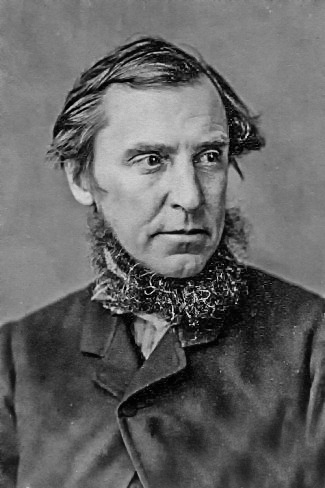
Leon Lemmer: J A Froude oor Britse kolonialisme

Na my bespreking van twee biografieë oor James Anthony Froude (1818-1894) (Praag 13.06.2020 en 27.06.2020) kom Froude in hierdie rubriek en ten slotte self aan die woord in twee van sy boeke. Die een boek handel onder meer oor sy drie besoeke aan Suid-Afrika. ‘n Mens sal ver moet soek na ‘n Brit wat so krities oor Britse kolonialisme in Suidelike Afrika was en terselfdertyd so ‘n groot bewondering vir die Boere/Afrikaners gehad het. In sy ander boek, oor die Wes-Indiese Eilande, belig hy talle sake van aktuele belang in die nuwe Suid-Afrika. Daar word dinge gesê wat deesdae polities byderwets nie meer gehoor word nie.

Oceana: England and her colonies

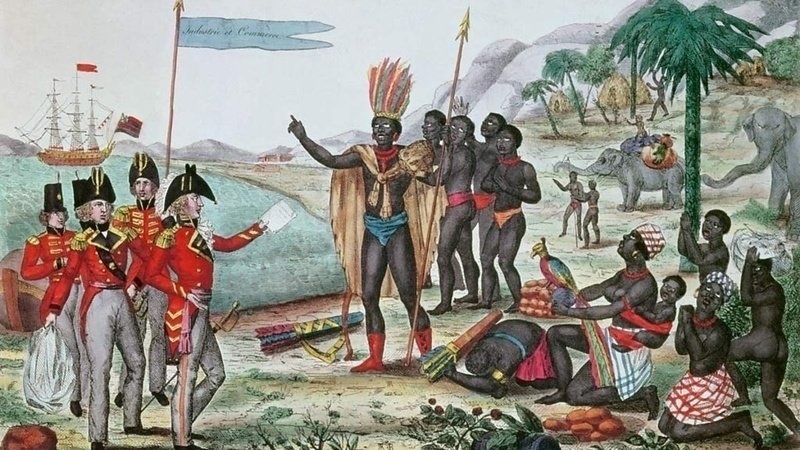
Froude het baie in Britse kolonialisme belang gestel. Van hom is die volgende boek gepubliseer: Oceana: England and her colonies (1886/2018; Amazon Kindle $1,14). As Engelsman en entoesiastiese Britse imperialis het Froude in 1874, 1875 en 1885 besoeke aan Suid-Afrika gebring. In laasgenoemde geval het hy daarna ook Australië, Nieu-Seeland en Amerika besoek. In die hoofstuk wat handel oor sy skeepsreis na Kaapstad in 1885 skryf Froude: “In 1852 we had discovered that wars with the natives and wars with the Dutch were expensive and useless; that sending troops out and killing thousands of natives was an odd way of protecting them” (Kindle 580). Hy verwys na die onafhanklikheid wat die Britte aan die Transvaal (1852) en Oranje-Vrystaat (1854) toegeken het, net om dit kort daarna te berou toe eers diamante en daarna goud ontdek is. In die daarop volgende twee hoofstukke beskryf Froude sy besoeke aan Suid-Afrika; eers hoofsaaklik die 1874- en 1875-besoeke en in die daaropvolgende hoofstuk sy 1885-besoek. As ‘n gerekende historikus het hy toegang tot belangrike mense gehad en onderhoude met hulle gevoer. Sy besoeke in 1874 en 1875 het boonop die finansiële ondersteuning van die Britse regering se departement van kolonies geniet.

Reeds met die intrapslag klink Froude pro-Boer/Afrikaner: “Better colonists or more successful did not exist than the Dutch” (601). Froude is krities oor die Britse koloniale bewind. “They [the Dutch] have had fewer native wars than we have had. There has been less violence and bloodshed” (601). Dit verduidelik waarom Jan Smuts so dikwels na hierdie boek verwys in sy Eene eeuw van onrecht (Praag 14.03.2020). Oor die Britse benadering van die nie-blankes, insluitende die manier waarop die slawe vrygestel is, skryf Froude: “The Dutch … were regarded in England as slave-owners at heart, as barbarians and tyrants, as illiterate savages … The unfavourable impression of them became a tradition of the English press, and unfortunately of the Colonial office. We had treated them unfairly as well as unwisely, and we never forgive those whom we have injured” [!] (634).

Froude verwys spesifiek na die manier waarop die Britte die Oranje-Vrystaat van die diamentveld ontneem het. “The annexation had been a swindle and a trick” (754). “Tens of thousands of guns and rifles were distributed in two or three years among the surrounding tribes as a direct menace to the Dutch, who had now a semicircle of armed men drawn outside them from Kimberley to Zululand. Naturally there was the greatest alarm and the greatest indignation among them. They were threatened with invasions and inroads of savages set on and countenanced by the British Government” (741). “From that day no Boer in South Africa has been able to trust to English promises” (715). “We justified our action, by posing before the world as the protectors of the rights of native tribes, whom we accused them of having wronged” (722).

Wat baie Britte nie besef het nie is “that the Dutch were still the majority, and a very large majority, in the [Cape] colony itself. Nor were they only the majority, but they were doing all the work which was really valuable” (688). “We persisted in a policy which threefifths of its white inhabitants detested” (942). Verder: “The Colonial Office had undervalued the Dutch as a fighting power” (768). Dan kom Froude met ‘n karakterisering wat destyds algemeen in Britse geledere aangetref is: dat Afrikaners stadig [slapgat?] is: “The Dutch are slow to move, but when moved are moved effectually” (728). John Molteno (1814-1886), die eerste minister van die Kaapkolonie (1872-1878), “told me that he was as sorry as I could be; that he had himself opposed the annexation [of Griqualand West, the Daimond Fields] (762). Uiteindelik is ₤90 000 skadevergoeding aan die Oranje-Vrystaat betaal. “The Dutch of South Africa, though obstinate as mules, are emotional and affected easily through their feelings” (802). “We took note of their faults; we forgot our own” (861).

Froude verwys na die “philanthropists [eg missionaries] whose mission in life is the championship of innocent negroes” (867). “The country has been the prey of well-intentioned philanthropists” (3194). Dit lyk nie asof Froude werklik die plaaslike verdeling in swart stamme verstaan het nie, want hy skryf van “Caffres [Xhosas?], Basutos, Zulus” (815; ook 1043), wat op kruisklassifikasie neerkom. Hy noem die Transvaalse Boere “a brave and honourable people” (848). “The origin of all the anger in the Transvaal had been the arming [of] the native chiefs against them from the Diamond Fields” (854). “The chiefs whom we called our friends had been drawn into an attitude of open menace against the Boers” (861). “Public opinion in England would certainly not permit a war of extermination against the Cape Dutch, and the alternative might easily arise between a war of this description [civil war, whites against blacks] and the evacuation of the country” (900).

“If South Africa is to rule itself under a constitutional system, we must cease to impose English views of what is expedient on a people unwilling to act upon them” (907). Die Britse regering “had despised the Boers – had not treated them with ordinary honesty” (962). “The Boers had been so systematically abused and misrepresented that the English scarcely regarded them as human beings to whom they owed any moral consideration” (969). “If we could think more of the wrong things which we have done ourselves, and less of the wrong things which we accuse the Boers of having done, I believe that would be considerably more effective” (975). Froude verwys na Suid-Afrika as “that country being a most signal example of all the faults in the past methods of colonial management” (3181).

“The success of the Dutch in the Free States – a small monority of whites in the midst of twenty times their number of warlike blacks – proves that a modus vivendi can be found under which the two races can live side by side, and the white man can acquire his natural ascendency. But if we withdraw, it will be the Dutch method which will be adopted all over the country, and not the English. I should not myself object to this. The Dutch method, in the long run, is the more merciful of the two. We have killed hundreds of natives where the Dutch have killed tens. But the Dutch, who are the majority [of whites], would be virtually masters of South Africa. They look on themselves as the lawful owners, and on us as intruders” (3201).

In Nieu-Seeland het Froude in 1885 besoek aan George Grey (1812-1898, goewerneur van die Kaapkolonie 1854-1861) gebring. Grey was toe ‘n Nieu-Seelandse parlementslid. Voor dit was hy die goewerneur (1845-1854 en 1861-1868) en eerste minister (1877-1879) van Nieu-Seeland. “His own large experience and thorough knowledge of South Africa confirmed the views which I had myself formed. He understood the Boers. He had gone to the Cape with the prejudice against them generally entertained in England, and he found the Boer of the English newspapers and platform speeches a creature of the imagination which had no existence in ‘space and time’. The Boers were simply the Dutch gentlemen and farmers from whose fathers and grandfathers we had taken the colony. Many of them had been Sir George’s subjects, and in his opinion, as in mine, they were a quiet, orderly, industrious, hard-working people, hurting no one if let alone, but resentful of injuries and especially of calumnies against their character. They were accused of cruelty to the native races. Had the charge been true, Sir George Grey, of all men, would have been the last to pardon it; but it was no more true of them than it was true of us and, necessarily, of all colonists who come in collision with the original owners of the soil, and he thought our perpetual interference with them to be foolish and unjust. Our interference alone had created all the troubles in South Africa” (4303).

“The Dutch were the majority, and a harmonious administration in South Africa was politically impossible unless we were prepared to treat the Dutch as honourable men, to meet them on their own ground, and leave them the same liberties which we do not think of refusing to the Australians or Canadians” (4309). Maar hou in gedagte dat Grey destyds nie ‘n tipiese Brit was wat rassesegregasie voorgestaan het nie. Grey se beleid was “civilisation through mingling” (Hermann Giliomee, Die Afrikaners: ‘n Biografie, Kaapstad: Tafelberg, 2004, p 242). Froude was teen rasvermenging gekant.

The English in the West Indies

Froude het ook somminge Britse kolonies in die Wes-Indiese eilande besoek en die volgende boek gepubliseer: The English in the West Indies; or, The bow of Ulysses (1888/2019, Goodpress, 122p; Amazon Kindle $1,14). Hy het teen die einde van 1886 per skip uit Engeland vertrek en sy 1887-indrukke van die Wes-Indiese Eilande te boek gestel. Baie van sy opmerkings is vir Suid-Afrikaners ter sake en het steeds aktualiteit, bv “It does not follow that because people of the same race and character are drawn together by equality and liberty [eg whites in South Africa], people of different races and different characters, who have quarrelled for centuries, will be similarly attracted to one another [eg whites and blacks in the Caribbean]” (Kindle 81).

Barbados, die oudste Britse kolonie in Wes-Indië, onafhanklik sedert 1961, was die eerste eiland wat Froude besoek het, gevolg deur Grenada (onafhanklik sedert 1974) en Trinidad (saam met Tobago onafhanklik sedert 1962). Hierna is hy terug na Barbados en het agtereenvolgens Dominica (onafhanklik sedert 1978 – nie St Domingo/Dominikaanse Republiek nie) en Jamaika (onafhanklik sedert 1962) besoek, asook die nie-Britse kolonie Kuba – “Cuba had been governed as a province of Spain” (4144). Onderweg na Jamaika en terug van Kuba af na Barbados is by Haiti (onderskeidelik die Jacmel- en Port-au-Prince-hawe) aangedoen omdat “I much wished to see this paradise of negro liberty” (2523). “Hayti, as everyone knows who has studied the black problem, is the western portion of Columbus’s Española, or St Domingo, the largest [West Indian island] after Cuba and the most fertile in natural resources of all the islands of the Caribbean Sea. It was the earliest of the Spanish settlements in the New World” (2530).

Haiti is sedert 1804 onafhanklik ná ‘n suksesvolle slawe-opstand teen die Franse koloniale bewind waarin al die blanke inwoners vermoor is. Dit was die begin van meer as twee eeue se chaos, agteruitgang en agterlikheid. “Perhaps nothing better could be expected from a liberty which was inaugurated by assassination and plunder” (2550). “Republics which begin with murder and plunder do not come to much good in this world” (4666). Kan ons beter van die die nuwe Suid-Afrika verwag ná die ANC aan die bewind gekom het weens dekades van hoogs onbeskaafde terrorisme? Die ou en nuwe Suid-Afrika kan bv soos volg gekontrasteer word: “Communities … have existed where people have thought more of their obligations than of their ‘rights’, more of the welfare of their country, or of the success of a cause [eg spreading European/Western civilisation] to which they have devoted themselves, than of their personal pleasure or interest [eg corruption]” (5016).

“What is the use of the colonies to us? The colonies are a hundredfold multiplication of the area of our own limited islands. In taking possession of so large a portion of the globe, we have enabled ourselves to spread and increase, and carry our persons, our language and our liberties, into all climates and continents. We overflow at home; there are too many of us here already; and if no lands belonged to us but Great Britain and Ireland, we should become a small insignificant power beside the mighty nations which are forming around us. There is space for hundreds of millions of us in the territories of which we and our fathers have possessed ourselves. In Canada, Australia, New Zealand we add our numbers and our resources … The sections of men on this globe are unequally gifted. Some are strong and can govern themselves; some are weak and are the prey of foreign invaders or internal anarchy; and freedom, which all desire, is only attainable by weak nations when they are subject to the rule of others who are at once powerful and just” (2867) – soos Brittanje, volgens Froude.

Sedertdien het Brittanje die grootste deel van Ierland verloor en al die Wes-Indiese kolonies wat Froude besoek het. Baie van hierdie eilande en selfs nie-Britse kolonies, soos Mosambiek, is in die Statebond opgeneem, maar sonder dat Brittanje effektief beheer oor hulle kan uitoefen. Wat Froude onmoontlik kon voorsien het, is dat die Wes-Indiese eilande nie meer die bestemming vir Britse immigrante is nie, maar dat die migrante-verkeer ná die Tweede Wêreldoorlog in die teenoorgestelde rigting is. Agtereenvolgende Britse regerings het toegelaat dat derduisende Wes-Indiërs en ander nie-blankes uit eens Britse kolonies hulle in Brittanje vestig, met aanvanklik feitlik net ‘n enkele Brit, Enoch Powell (1912-1998), wat die aandag op bv die nadelige kulturele gevolge hiervan gevestig het (Praag 30.04.2016). Wat sedert 1994 opval, is dat Suid-Afrika nie meer soos voorheen in dieselfde asem as Australië en Nieu-Seeland as ‘n tuiste van Westerse of Britse beskawing genoem word nie. Froude het Suid-Afrika reeds in 1887 uit hierdie lysie weggelaat weens die oorwig van swartes, maar hy het vertroue in die toekoms van Kanada as ‘n oorwegend blanke land gehad; ‘n vertroue wat deur veral die Trudeaus, Pierre en Justin, as staatshoofde geskend is. Hulle het as ideaal dat Kanada se inwoners die wêreldbevolking moet weerspieël. Daarmee kan die wêreld se probleme vrywilliglik op ‘n enkele land afgelaai word.

Vanweë kulturele verwantskap, indien nie eendersheid nie, kon Britse kolonies soos veral Australië en Kanada maklik hulle bande met Brittanje behou en as bestemming vir Britse immigrante dien. Dit geld ook in groot mate vir Nieu-Seeland en in mindere mate vir Suid-Afrika. Die situasie word problematies wanneer ‘n blanke minderheid, soos die Britte in die Wes-Indiese Eilande, dieselfde grondgebied met ‘n oorweldigende swart meerderheid, wat kultureel hemelsbreed van hulle verskil, moet deel. “The white minority could not be trusted with the exclusive possession of political power. The blacks could not be trusted with the equally dangerous supremacy which their numbers would insure them” (2887). “The Europeans would not remain to be ruled under a black representative system; nor would they take any part in it when they would be so overwhelmingly outvoted and outnumbered. They would sooner forfeit all that they had in the world and go away” (2657). Dit herinner aan die deurlopende uittog van Suid-Afrikaanse blankes sedert 1990.

“Although it is undesirable or impossible for the blacks to be ruled by the minority of the white residents, it is equally undesirable and equally impossible that the whites should be ruled by them” (1246). Dit volg dat iemand soos FW de Klerk skynbaar die onmoontlike reggekry het. “There are two parties to every bargain” (1508). Die nuwe Suid-Afrika is nie ‘n wen-wen situasie nie. Die blankes is die groot verloorders. Van swart meerderheidsregering word gesê: “It will be a rule by the blacks and for the blacks” (1726). “Nature has made us unequal, and Acts of Parliament cannot make us equal” (3255). “Whites and blacks may be nominally equal; but from the enormous preponderance of numbers the equality would be only in name, and such English people, at least, as would be really of any value, would refuse to remain in a false and intolerable position” (1252). Vandaar Afrikaners se ideaal van ‘n eie tuisland. “The forced equality of the races before the law made more difficult the growth of any kindly feeling” (1488). Plaaslik word daar egter van die blankes verwag om hulle met sulke haglike omstandighede te versoen.

“The gulf which divides the colours is not arbitrary prejudice” (1740). “The two races are not equal and will not blend. If the white people do not depart of themselves, black legislation will make it impossible for any of them to stay who would not be better out of the way” (1726) – dink bv aan regstellende aksie, swart ekonomiese bemagtiging en grondonteiening sonder vergoeding; dus in vele opsigte blatante rassediskriminasie ten koste van die blankes. “Our own Anglo-Norman race has become capable of self-government only after a thousand years of civil and spiritual authority” (1753). Maar die swartes, bv ANC-kornuite, wou ten alle koste uitsluitlike politieke mag dadelik oorneem. “But it does not follow that what can be done eventually can be done immediately” (1740). Die ANC het hom vóór 1994 herhaaldelik tot “ready to govern” verklaar maar maak sedertdien ‘n klaaglike mislukking daarvan.

Volgens Froude moet nóg die swartes nóg die blankes toegelaat word om in so ‘n situasie te regeer omdat die regerende rasgroep sy belange ten koste van die ander een sal bevorder. As oortuigde kolonialis en imperialis is Froude se oortuiging dat Brittanje in sulke omstandighede moet bly regeer ten einde onpartydig aan albei groepe se belange reg te laat geskied. Hy het ‘n imperiale (kon)federasie bepleit. “It seems so easy. You have only to form a new parliament in which the colonies shall be represented according to numbers, while each colony will retain its own for its own local purposes” (5029). Maar as verteenwoordiging volgens die bevolkingsgetalle geskied, sal die nie-blankes noodwendig (spoedig) die blankes oorheers. In hierdie opset word die kolonies dan eerder provinsies van die moederland, soos in die Franse koloniale model. Die gevaarlike tendens wat hy opgemerk het, is dat die Britse regering geneig was om al hoe laer vereistes vir stemreg te stel, met die gevolg dat swart oorheersing, veral op die langer termyn, al hoe meer ‘n voldonge feit geword het. Dit het meegebring dat ingesete blankes geneig was om die wyk te neem en dat plaasvervangende blanke immigrante ongeneë was om hulle in die Karibiese gebied te vestig. Bowendien het die hoë geboortesyfers by swartes die blanke minderheid al hoe meer verswelg.

In die Britse kolonies waar die blankes in die meerderheid is (Australië, Kanada, Nieu-Seeland), was daar nie groot probleme nie. In Suid-Afrika is daar ‘n substansiële blanke bevolking (Afrikaans- en Engelssprekendes), maar omdat die blankes kultureel verskil, is samewerking problematies. Dit is eintlik net die Britte wat imperiaal ‘n eenheid kon vorm. “The British people everywhere intend to remain one. With the same blood, the same language, the same habits, the same traditions, they do not mean to be shattered into dishonoured fragments” (87). Naas die kolonies wat ‘n oorwegend Britse karakter gehad het en selfonderhoudend was, was daar kolonies, soos dié in Wes-Indië, wat ‘n finansiële las vir die Britte geword het; des te meer nadat rietsuiker nie meer lonend geproduseer kon word nie vanweë die mededinging met beetsuiker. “I could not help asking myself of what use such a possession could be either to England or the English nation. We could not colonise it, could not cultivate it, could not draw revenue from it … We might have spared ourselves so unnecessary a conquest” (945). ‘n Kolonie kon alleenlik Brits gemaak word as ‘n afdoende getal Britse immigrante hulle permanent daar vestig.

Ná die vrystelling van die slawe is welvaart ook aan bande gelê omdat daar grootskaalse onwilligheid by die swartes was om arbeid te verrig (591). Die Karibiese blankes wou eerder na die moederland (“a stepmother” – 314) terugkeer of ekonomiese en politieke aansluiting by Amerika soek. “All the whites in the islands wished at the bottom of their hearts to be taken into the Union [USA]; but the Union Government was too wise to meddle with them. The trade would fall to America of itself” (1939), onder meer vanweë die nabyheid van Amerika en die groot afstand tussen enersyds Wes-Indië en andersyds Brittanje en Europa. Anders as die blankes begeer die swartes politieke onafhanklikheid, maar volgens Froude is hulle nie in staat om doeltreffend te regeer nie. “The black and white races had not amalgamated and were not inclining to amalgamate” (134). Die vrystelling van die slawe het hierdie twee groepe nie nader aan mekaar gebring nie. “[They] were further apart than ever” (147). Amerika is glad nie geneë om die Wes-Indiese Eilande te annekseer nie. Finansieel sou dit eerder nadele as voordele inhou. Ook: “They did not wish to absorb another million and a half of blacks and as many Roman Catholics, having enough already of both” (1515).

Oral waar Froude gekom het, was daar tekens van agteruitgang en verval. Dit is ‘n geval van “burnt his house to roast his pig; such waste was never seen” (3300). Oor Grenada skryf hy: “Round us when we landed were unroofed warehouses, weed-choked courtyards, doors gone, and window frames fallen in or out. Such a scene of desolation and desertion I never saw in my life save once, a few weeks later in Jamaica … Nature and the dark race had been simply allowed by us to resume possession of the island” (767). In Dominica “the grass was growing between the stones, and the houses generally were dilapidated and dirty” (2137). “It is the same as in Grenada: the whites … have lost heart, and cease to struggle against the stream. A state of things more helplessly provoking was never seen. Skill and capital and labour have only to be brought to bear together, and the land might be a Garden of Eden” (2222). “Kingston [Jamaica] is the best of our West Indian towns, and Kingston has not one fine building in it” (4000). In Havana, Kuba, daarenteen, was daar “the numerical preponderance of the white element” (4170), gevolglik: “The buildings are all good in Havana” (4286).

Oor Jacmel, Haiti, skryf Froude: “The streets were filthy and the stench abominable” (2584). Van Port-au-Prince, Haiti, sê hy: “Long before we came to shore there came off whiffs … of active dirt fermenting in the sunlight … We were in a Paris of the gutter” (4693). “My prejudices, if I have any, had not blinded me to the good qualities of the men and women in Dominica. I do not think it was prejudice wholly which made me think the faces which I saw in Hayti the most repulsive which I had ever seen in the world, or Jacmel itself, taken for all in all, the foulest, dirtiest, and nastiest of human habitations” (2610). Hy het terug op die skip geklim. “I had to strip and plunge into a bath and wash away the odour of the great negro republic of the West which clung to my clothes and skin” (2617).

Die keuse was duidelik: “Either an English administration pure and simple … or a falling eventually into a state like that of Hayti, where … no white man can own a yard of land” (801). “As it has been in Hayti, so it must be in Trinidad if the English leave the blacks to be their own masters” (1381). “One felt it strange that with so beautiful a possession lying at our doors, we should have allowed it to slide out of our hands” (808). “The plant of civilisation as yet has taken but feeble root” (801). “The continued civilisation of the blacks depends on the maintenace there of English influence and authority” (838). Oor Trinidad skryf Froude: “Of sanitary arrangements there seemed to be none … Dirt of every kind lies about freely” (918). In Jamaika “odours … from open drains reminded me of Jacmel. The streets … looked dirty and the houses shabby” (2734).

Wat vir Froude opgeval het, was hoe tevrede die swartes met hierdie situasie was: “Singing, dancing, and chattering all night long, as radiant and happy as carelessness and content could make them” (692). “If the West Indies are going to ruin, Barbados, at any rate, is being ruined with a smiling face” (551). “My poor downtrodden black brothers and sisters, so far as I could judge from this first introduction [in Barbados], looked to me a very fortunate class of fellow-creatures” (631). “The blacks there [in Dominica], as everywhere, are happy with their yams, and cocoa nuts and land crabs. They desire nothing better than they have” (2027). “The earth does not contain any peasantry so well off, so well cared for, so happy, so sleek and contented as the sons and daughters of the emancipated slaves in the English West Indian Islands” (1101). “They are perfectly happy … They have no aspirations to make them restless. They have no guilt upon their consciences” (712). “[Slavery] descendents … have nothing now to do save to laugh and sing en enjoy existence” (719). “The inheritance [is] turned into a wilderness” (2391).

Later verwys Froude weer na “the boundless happiness of the black race. Under the rule of England in these islands the two million of these poor brothers-in-law of ours are the most perfectly contented specimens of the human race to be found upon the planet … If happiness be the satisfaction of every conscious desire, theirs is a condition which admits of no improvement were they independent … Under the beneficent despotism of the English Government, which knows no difference of colour and permits no oppression, they can sleep, lounge, and laugh away their lives as they please, fearing no danger” (1128). “Orderly habits are not immediately lost, but the effect of leaving the negro nature to itself is apparent at last. In the English islands they are innocently happy in the unconsciousness of the obligations of morality. They eat, drink, sleep, and smoke, and do the least in the way of work that they can. They have no ideas of duty, and therefore are not made uneasy by neglecting it. One or other of them occasionally rises in the legal or other profession, but there is no sign, not the slightest, that the generality of the race are improving either in intelligence or moral habits; all the evidence is the other way” (4767).

Oor die swartes skryf Froude: “They would have been slaves in their own country if they had not been brought to ours, and at the worst had lost nothing by the change” (692). “Slavery itself was the first step of emancipation” (1395). “As life goes he has been a lucky mortal. He was taken away from Dahomey and Ashantee – to be a slave indeed, but a slave to a less cruel master than he would have found at home” (1134). “They lived better than the honest day-labouring man in England, without doing a fourth part of his work in a day, and I am fully convinced that the negroes in our islands are better provided for and live better than when in Guinea” (1141). “The blacks would not work for wages more than three days in the week, or regularly upon those, preferring to cultivate their own yams and sweet potatoes” (2935). “The chief complaint [of the whites] is the somewhat weary one of the laziness of the blacks, who they say will work only when they please, and are never fully awake except at dinner time. I do not know that they have a right to expect anything else from poor creatures whom the law calls human, but who to them are only mechanical tools, not so manageable as tools ought to be, with whom they have no acquaintance and no human relations, whose wages are but twopence an hour and are diminished by fines at the arbitrary pleasure of the overseer” (1871).

Sosiale gebruike, soos slawerny en rasse-segregasie, is nie uitsluitlik goed of net sleg nie. Slawe het bv nuttige werk verrig en dus nie so maklik of dikwels in ledigheid en misdaad verval nie. “The name of slavery is a horror to us; but there must have been something human and kindly about it, too, when it left upon the character the marks of courtesy and good breeding” (3394). In die gedrukte en massa-inligtingsmedia word daar meesal slegs van swart slawe melding gemaak en nie van die talle blankes wat gedwonge arbeid in die vroeë Amerikaanse en Karibiese geskiedenis verrig het nie. In die hoofstuk oor Barbados staan: “There were some thousands of wretched Irish, who had been transplanted thither after the last rebellion, and were bound under articles to labour. These might be counted on to rise if an invading force appeared” (584).

In Trinidad is Indiërs as kontrakwerkers vir die suikerplantasies ingevoer omdat hulle beter arbeiders as die swartes is. Soos in Natal het hulle in die land aangebly pleks van na hulle geboorteland terug te keer. “Without them sugar cultivation in Trinidad and Demerara [Guyana] would cease altogether” (1080). “They are proud … and will not intermarry with the Africans” (1046). “[The Asiatic] comes to work. The negro does not want to work, and both are satisfied. But if there is no jealousy there is no friendship. The two races are more absolutely apart than the white and the black. The Asiatic insists the more on his superiority in the fear perhaps that if he did not the white might forget it” (1087). Die Indiërs en swartes woon in aparte buurte (1067). Woongebiedskeiding op ‘n rassegrondslag is iets natuurliks. Dit is nie iets wat slegs vanweë rasse-segregasie of apartheid aan mense opgedring word nie. “Between whites and blacks no relations remained save that of employer and employed. They lived apart. They had no longer, save in exceptional instances, any personal communication with each other. The law refusing to recognise a difference, the social line was drawn the harder, which the law was unable to reach” (1488).

Oor die aanwesigheid van rassisme by swartes, wat deesdae graag ontken word, bestaan daar geen twyfel nie. “The blacks hate the mulattoes” (1368; ook 2961). “The mulattoes despised the blacks, and would not intermarry with them” (2961). “The black does not love the mulatto, and despises the white man who consents to be his servant” (1246) – soos bv verloopte Afrikaners in die nuwe Suid-Afrika doen. Dit is ‘n geval van “social exclusiveness increasing with political equality” (2961). “In Hayti the black republic allows no white man to hold land in freehold. The blacks elsewhere with the same opportunities will develop the same aspirations” (1259). Dít kan die onderliggende motief van die ANC-regime se beleid van die onteiening sonder vergoeding van blankes se eiendom wees.

“The future of the blacks and our own influence over them for good, depend on their being protected from themselves” (1273). “The blacks whom, in a fit of virtuous benevolence, we emancipated, do not feel that they are particularly obliged to us. They think, if they think at all, that they were ill treated originally, and received no more than was due to them, and that perhaps it was not benevolence at all on our part, but a desire to free ourselves from the reproach of slaveholding” (1705). Insgelyks word geredeneer dat die nuwe Suid-Afrika nie aan FW de Klerk se goedertierenheid te danke is nie. Hy het glo geen ander keuse gehad nie. “[The blacks] were persuaded that they were an oppressed people and required fuller liberties” (2249).

“[In] the West Indies … the negro vote would make a residence there for an energetic and self-respecting European less tolerable than in any other part of the globe. The republic of Hayti not only excludes a white man from any share of the administration, but forbids his acquisition or possession of real property in any form” (2310). “The presence of Europeans in any form is barely tolerated. A few only are allowed to remain about the ports” (2563). “They are called ‘white trash'” (4707). Hierdie frase, wat deesdae vryelike in anti-blanke literatuur gebruik word, kom dus uit die verre verlede. “There is a saying in Hayti that the white man has no rights which the blacks are bound to recognise” (2670). “I had left that miserable cross-birth of ferocity and philanthropic sentiment [Hayti]… The ninety years of negro self-government have had their use in showing what it really means” (4734). Dit lyk asof die nuwe Suid-Afrika streef na die voorbeeld wat Haiti stel. Blankes word grootliks uit die staatsdiens geweer en grondonteiening sonder vergoeding is in aantog.

“The possession of a vote never improved the character of any human being and never will” (2317). As aktiewe terroriste was die ANC moreel reeds bankrot genoeg. Die ANC as regime bevestig herhaaldelik al die vrese wat die blankes van hom as terroristiese monster gehad het. Dink aan hoe sommige ANC-kornuite verstik in merietelose oorvergoeding en ongebreidelde korrupsie. “Democracies are always extravagant. The majority, who have little property or none, regulate the expenditure. They lay taxes on the minority, who have to find the money, and have no interest in sparing them” (3002). In Suid-Afrika is dit by uitstek die nie-swartes wat eiendomsbelasting en vir munisipale dienste betaal. Elke jaar ruk hierdie situasie al hoe meer handuit sodat die befondsing op die vlak van plaaslike regering glad nie volhoubaar is nie. “The blacks object to taxes. As long as there are white men to pay them, they will be satisfied to get the benefit of the expenditure” (3202). Onlangs is daar in Soweto getoog vir die reg op gratis elektrisiteit.

“The Radical faith is this: all men are equal … Right is right because the majority so declare it, and justice is justice because the majority so declare it” (3481). Daarenteen is Froude se standpunt: “We have no … right to make the emancipated slave his master’s master in virtue of his numbers” (3891). “[The blacks should be] allowed such freedom as they are capable of using [wisely]; they can be allowed more as they are better educated and more fit for it” (3898). “I presume no one can seriously expect that an orderly organised nation can be made out of the blacks, when, in spite of your schools and missionaries, sixty per cent of the children now born among them are illegitimate” (4579). Dit is bekend dat die meeste swart kinders in Suid-Afrika in enkelouergesinne grootword. Ten spyte van alles bly Froude idealisties optimisties: “You can do for the West Indies … what you do for the East [eg India]; you can establish a firm authoritative government which will protect the blacks in their civil rights and protect the whites in theirs … By keeping the rule in your own hands you will restore the white population to their legitimate influence; the blacks will again look up to them and respect them as they ought to do … in such following and obedience their only hope of improvement lies” (4579).

“As for the West Indies there are but two genuine alternatives: one to leave them to themselves to shape their own destinies, as we leave Australia; the other to govern them as if they were a part of Great Britain with the same scrupulous care of the people and their interest with which we govern Bengal, Madras [Chennai], and Bombay [Mumbai]. England is responsible for the social condition of those islands. She filled them with negroes when it was her interest to maintain slavery, she emancipated those negroes when popular opinion at home demanded that slavery should end. It appears to me that England ought to bear the consequences of her own actions, and assume to herself the responsibilities of a state of things which she has herself created” (4874). In hierdie konteks verwys Froude na die newetitel van sy boek: “The bow of Ulysses [the hero of Homer’s Odyssey] is sound as ever; moths and worms have not injured either cord or horn; but it is unstrung and the arrows which are shot from it drop feebly to the ground” (4901).

Die kern van Froude se boodskap is: “The theory of constitutional government is that the majority shall rule the minority, and as long as the qualities, moral and mental, of the parties are not grossly dissimilar, such an arrangement forms a tolerable modus vivendi. Where in character, in mental force, in energy, in cultivation, there is no equality at all, but an inequality … to expect that the intelligent few will submit to the unintelligent many is to expect what has never been found and what never ought to be found. The whites cannot be trusted to rule the blacks, but for the blacks to rule the whites is a yet grosser anomaly” (3602). Op grond hiervan kan geredeneer word dat die ou Suid-Afrika beter was as wat die nuwe Suid-Afrika is.

Ten spyte van al die ontnugtering wat Froude in Wes-Indië te beurt geval het, het hy merkwaardig optimisties gebly. “The equality between black and white is a forced equality and not a real one, and nature in the long run has her way, and readjusts in their proper relations what theorists and philanthropists have disturbed” (3400). Froude het hom in vele opsigte vir verlore sake beywer. Ten minste in hierdie sin het hy aan my en hopelik aan (baie) ander Afrikaners ‘n navolgenswaardige voorbeeld gestel. “Even when a cause is lost utterly, and no rational hope remains, I would still go down, if it had to be so, with my spirit unbroken and my face to the enemy” (2664). Dit is ongerieflik om ‘n Afrikaner-bittereinder te wees, maar dit is nie verkeerd nie.

Froudacity

Froude se boek oor die Wes-Indiese eilande is heftig aangeval, veral deur swart Wes-Indiërs. Die bekendste kritiek het uit Trinidad van John Jacob Thomas (1841-1889) gekom in sy boek, Froudacity: West Indian fables by James Anthony Froude (Good Press, 1889/2019, 142p; Amazon Kindle $3,20). Soos verwag kon word, word Froude van rassisme, beswaddering, laster, paternalisme, kwaadwilligheid, roekeloosheid, eensydigheid, gemeenplasigheid, onkunde, ens, beskuldig; ook van vermetelheid (“audacity”) – dit is immers waarop die hooftitel van die boek sinspeel. Froude word selfs “this apostle of skin-worship” (Kindle 1173) en “this prophet of evil” (1193) genoem. Maar Thomas is deur mede-swartes verwyt dat hy nie radikaal genoeg pro-swart en anti-blank is nie. ‘n Opsomming van Thomas se kritiek is onder die opskrif “Froudacity” op Wikipedia gepubliseer. Eintlik gebruik Thomas sy boek nie net om Froude af te kam nie, maar ook om in besonderhede sy besware teen bv die (blanke) Britse goewerneurs, regters en magistrate te lug.

Ek het in besonderhede oor Froude se boek geskryf omdat hy idees verkondig wat deesdae onderdruk word. Thomas, daarenteen, propageer al die oorbekende drogredenasie waarmee ons daagliks gekonfronteer word. Sy boek toon hoe lank reeds dieselfde argumente herhaal word. My kernbeswaar is dat Thomas oor en oor beweer dat die verskil tussen blankes en swartes bloot velkleur (“mere colour” – (926), dus pigmentasie (“purely epidermal” – 989), is; ook genoem “skin-prejudice” (894) en “skin-superiority (1102). “Are we to be grateful that the colour difference should be made the basis and justification of the dastardly denials of justice?” (855). Die blankes word verwyt vir “the cheap condition of showing a simple bodily accident erected by themselves into an evidence and proof of superiority” (1442).

In werklikheid gaan dit nie om velkleur nie maar om die (groot) kulturele verskille tussen blankes en swartes, dus verskille in lewenswyse, hoe daar gedink en gehandel word; ook ontwikkelingsverskille. Soos ek dink Thomas dat ontwikkelings/prestasie-verskille ‘n sikliese verskynsel kan wees: “In the past different races have successively come to the front, as prominent actors on the world’s stage” (1765). Maar hy oordryf heel moontlik: “The European world is looking with wonder and admiration at the progress made by the Negro Race – a progress unparalleled in the annals of the history of any race” (1938). Ras is nie ‘n ignoreerbare konstruk wat onnodig uitgedink is nie. Ras is deel van die onontwykbare werklikheid. Waarom is daar sedert 1994 geen sprake van ‘n nie-swart president, vise-president of nie-swarte in watter hoë (politieke) pos ook al nie? Omdat swartes die werklikheid van ras erken. Omdat swartes (ten alle koste) mede-swartes in topposte wil hê, dus mense wat soos hulle dink en doen. As pigmentasie die enigste verskil tussen blankes en swartes was, sou dit om ‘t ewe gewees het of bv ‘n blanke of ‘n swarte die president van Suid-Afrika was.

Thomas is erg neerhalend en beledigend teenoor Froude. Hy word bv smalend oor en oor ‘n profeet of filosoof genoem. Soos verwag kon word, word die blankes vir die “hideous atrocities of slavery” verwyt (54) – “the trade in African flesh and blood” (1277). Haiti is reeds meer as drie eeue lank die toonbeeld van swart rassisme, maar Thomas noem die besware wat Froude teen Haiti opper “perversity gone wild in the manufacture of analogies” (80). Mungo Park (1771-1806) word genoem as een van die blanke ontdekkingsreisigers wat “the natural friendliness of the Negro in his ancestral home” ervaar het (1153). Maar Park het in Wes-Afrika verdrink omdat hy deur vyandige swartes aangeval is. Froude is oortuig daarvan dat rasseskeiding natuurlik is. Thomas verwys egter na “the inevitable atttaction of one race to the other by the sentiment of natural affection” (1823). Die result is “Mulattos” (1836). Die Britse immigrante wat hulle in Wes-Indië gevestig het, dink anders as Thomas oor ras: “That class of them [Anglo-Saxons] who had left Britain were likelier than the more refined of their nation to exhibit in its crudest and cruellest form the innate jealousy and contempt of other races that pervades the Anglo-Saxon bosom” (1856).

Volgens Thomas “the Negro voter would elect representatives whom he knew he could trust for competency in the management of his affairs, and not persons whose sole recommendation to him would be the possession of the same kind of skin” (1347). Is ons ondervinding in die nuwe Suid-Afrika dat die meerderheid kiesers glad nie kleurbewus is nie? “No one can deserve to govern simply because he is white, and no one is bound to be subject simply because he is black” (1436). Maar in die nuwe Suid-Afrika regeer die swartes bloot omdat die meerderheid kiesers swart is en die blankes is teen wil en dank die onderdane of tweedeklasburgers omdat hulle die minderheid is. “At present most officials are appointed (locally at least) according to their merit, and not to their epidermis” (1442). In die nuwe Suid-Afrika, daarenteen, word baie, waarskynlik die meeste, aanstellings en bevorderings deurslaggewend op grond van ras (swart) en geslag (vroulik) gedoen pleks van bekwaamheid.

Die polities verligte Julia Markus (Praag 27.06.2020) hou van Thomas se verweer. Hy “accurately described Froude’s quick and incorrect assessment of different island peoples … Yet it is the subtitle of another book of criticism [by Davis N Darrell, 1888], Mr Froude’s negrophobia, that best describes Froude in the West Indies: Don Quixote as a Cook’s tourist. It could not be said better” (4974).
Leon Lemmer: J A Froude: ‘Die laaste onontdekte groot Victoriaan’ (Deel 2)

Ter aanvulling van Herbert Paul se boek (Praag 13.06.2020) bespreek ek in hierdie rubriek Julia Markus se biografie: J Anthony Froude: The last undiscovered great Victorian (New York: Scribner, 2005, 364p; Amazon Kindle $18,39). Die opskrif van hierdie rubriek is aan die newetitel van hierdie boek ontleen. Dit is die Britse historikus, A(lfred) L(eslie) Rowse (1903-1997) wat geskryf het: “[Froude] is the last great Victorian awaiting revival, when so many inferior to him have been regurgitated” (Kindle 2207 – Froude the historian: Victorian man of letters, 1987). Markus is bekend as ‘n fiksieskrywer, maar sy is ook ‘n Engelsdosent aan Hofstra University, Long Island, New York. Sy het ‘n verdienstelike biografie oor Froude geskryf, al is sy polities oorverlig.

Froude het as kind ‘n moeilike tyd in ‘n groot huisgesin en op skool gehad. Hy noem dit “as hard, and the treatment as barbarous as that of the negroes in Virginia” (204). Hy het in die tyd van die Oxford Movement grootgeword, wat die Church of England na Rooms-Katolisisme wou teruglei. Froude se oortuiging was egter dat die staat oor die kerk moet heers en nie andersom nie. Aan Oxford University het hy agtergekom “how easy it had once been ‘to make crooked things straight on paper'” (1157), wat sy lewensroeping sou word. Dit laat my dink aan wat Isaiah Berlin (1909-1997) geskryf het: “Out of the crooked timber of humanity, no straight thing was ever made.” Froude het ook spoedig tot die besef gekom: “One loves those who are not far removed from oneself” (1773).

“Unlike [Thomas] Carlyle [1795-1881], Froude felt slavery was an evil … He favored the Confederacy [of American states]” (1892). Oor die Amerikaanse Burgeroorlog (1861-1865) skryf Froude: “You cannot treat an institution as old as mankind as a crime to be put out by force … If the sword is pressed into service beyond the common sense of mankind, it will kill the man that uses it” (1912). Ná hierdie oorlog kon hy “hope and believe that a time will come when there will no longer be Englishmen and Americans, but we shall be of one heart and mind, and perhaps one name” (1921). “For Froude, Americans were still ‘the English reproduced in a new sphere'” (4500). Dwarsdeur sy lewe het Froude probeer om veral Anglo-Saksiese blankes saam te snoer. Heelwat van sy idees het hy aan Carlyle ontleen, bv sy “loathing of democracy … the spuriousness of the contemporary idea of equality … the hypocrisy of ‘nigger philanthropists'” (2160). Carlyle het Froude beskryf as “the valuablest friend I now have in England” (2374).

“Under [William Edwart] Gladstone [1809-1898, British prime minister 1868-74, 1880-85, 1886 and 1892-94] and the Liberals there were constant discussions about loosening colonial ties to Australia, New Zealand, Canada, and the Cape. England protected her colonies militarily, but the colonies were not producing enough revenue. That the colonies were seen in economic terms as a drag on the economy appalled Froude. For they were ‘other Englands’, having the ability to extend English blood and English values far beyond the small island that was the motherland” (2611). Die kolonies kon ‘n uitlaatklep vir die oorbevolkte Brittanje wees. Froude skryf: “The attachment of a people to their country depends upon the sense in which it is really and truly their home … And the idea of home is inseparably connected with the possession or permanent occupation of land” (2639). Froude wou hê dat Britte hulle op groot skaal permanent – nie net tydelik nie – in die kolonies vestig sodat daardie gebiede verbrits kon word. Dit herinner aan die begin van die Afrikanerdom: “Die historikus GD Scholtz het jare gelede aangevoer dat Afrikaners op 9 Februarie 1657 uit die vestiging van nege Vryburgergesinne aan die Liesbeekrivier ontstaan het” (Flip Buys, Die pad na selfbestuur: Anderkant die mislukking van staatsbestuur, Centurion: Kraal Uitgewers, 2019, p 203 – Praag 11.04.2020). Eerder as enige ander jaartal kan 1657 as die begin van Afrikaans beskou word.

Per skip op pad na Suid-Afrika in 1874 skryf Froude: “I hear much of the Cape Dutch. The English colonists seem not to like them … I do not yet make out the Boers, who are described as lazy, indifferent to progress or moneymaking, thinking little of politics, and only resenting English interference with them; yet most people to whom I talk seem to agree that in the Orange Free State the natives are better managed than any other part of Africa” (2704). Later skryf hy oor die Britse inpalming van die diamantveld: ‘”By our stupid interference we have exasperated the entire Dutch population,’ both in and out of the colony, and have jeopardized the possibility of confederation, because of the preponderance of the Dutch. He became more and more convinced that ‘the Imperial Government should confine itself to the Table Mountain Peninsula, fortify the two harbours [Table Bay and Simon’s Town], and hold it as a naval and military station, leaving the rest of the country to itself'” (2747). Froude het geen erg aan materialistiese oorwegings soos diamante gehad nie. Wat die migrasie van Britte betref: “Let them immigrate to other Englands instead” (2756). Daar was klaarblyklik te veel swartes na Froude se sin in Suidelike Afrika. “His opinion was that the Dutch, with their tougher policies toward the Africans, did better than the English in that regard” (2783). “Froude’s most solid accomplishment [regarding South Africa] was his insistence that the Dutch had been cheated when England reclaimed the diamond fields” (2874).

“For [Froude], no single political issue was more important than how England was to regard her colonies” (4138). In Desember 1884 het hy sy seun, Ashley, saam met hom per skip geneem na drie kolonies: die Kaapkolonie, Australië en Nieu-Seeland. Vandaar is hulle na die Sandwich-eilande, Hawaii en San Francisco. Per trein is hulle daarna oor Salt Lake City, Denver, Chicago en Buffalo na New York City en vandaar na Cork in Ierland en Liverpool. “At Honolulu [Hawaii] he wandered about studying the people and their customs, wondering at the homogenizing effect of ‘our Anglo-American character,’ which was spreading over the world” (4437).

Ná afloop van sy reis om die wêreld het Froude sy boek, Oceana (1886), geskryf. “He took the word Oceana from Sir James Harrington’s [1611-1677] seventeenth-century Utopian vision of a perfect commonwealth that was reserved for the English-speaking people” (4220). In The commonwealth of Oceana (1656/2012, 180p; Amazon Kindle $0)* word die grondwet van ‘n utopiese republiek uiteengesit. “The determining element of power in a state is property, particularly property in land” (Wikipedia). Die ANC-regime wil alle mag in homself sentraliseer. Hierdie boek uit Jan van Riebeeck se tyd kan help verklaar waarom die ANC-kamerade sonder vergoeding op blanke eiendom beslag wil/gaan lê.

[* Die eerste Kindle-leesmasjien is op 19.11.2007 beskikbaar gestel. Dit bly vir my ‘n 21ste eeuse wonder dat ‘n teks wat 364 jaar gelede gepubliseer is, binne ‘n minuut uit Amerika gratis aan my gestuur word. Die Kindle-weergawe is die teks soos geredigeer deur Henry Morley (1887). Oceana was Harrington se naam vir Engeland (Kindle 62). Harrington was ‘n republikein en glad nie ‘n monargis nie. Volgens hom vloei politieke mag voort uit ekonomiese mag. Dit sluit aan by Aristoteles se standpunt dat as hierdie twee geskei word, ‘n revolusie volg. Dit is presies wat in 1994 in Suid-Afrika gebeur het. Nic Wiehahn (1929-2006), die hoof van Unisa se Sakeskool, het in die verslag van die Wiehahn-kommissie (1979) aanbeveel dat swartes as vaklui opgelei en vakbonde vir swartes gewettig word. Wiehahn het daagliks ‘n strikdas gedra om hom van gewone sterflinge te onderskei. Hy het ‘n regs- en sake-agtergrond gehad en was glad nie in ideologie onderleg nie. Aan die begin van die PW Botha-bewind is hierdie kommissie se aanbevelings aanvaar, hoewel John Vorster voorbehoude gehad het. Daarmee het swartes ekonomiese burgerskap verkry. “Die NP-koukus was baie tevrede en Andries Treurnicht en Ferdie Hartzenberg, toekomstige leiers van die Konserwatiewe Party, het selfs Nic Wiehahn in die wandelgang gelukgewens” (Hermann Giliomee, Historikus: ‘n Outobiografie, Kaapstad: Tafelberg, 2016, p 119). Harrington onderskei tussen “property, real or personal; that is to say, in lands, or in money and goods” (159); dus vaste en roerende eiendom. Dit is vaste eiendom, bv plase, wat inwoners aan ‘n land bind en hulle ekonomiese en gevolglik politieke mag gee. Met onteiening sonder vergoeding wil die ANC-regime die bietjie politieke mag waaroor die blankes sedert 1994 beskik, verder ondergrawe. Landbou is ‘n kernbedryf. “Agriculture is the bread of the nation; we are hung upon it by the teeth; it is a mighty nursery of strength, the best army, and the most assured knapsack” (3185).]

“He found at Cape Town, as he suspected that ‘the history of Ireland is repeating itself – as if Ireland was not enough.’ The English had been unfair to the Dutch, both in territorial disputes and in their championing the ‘coloured races’ over the Boers” (4239). “Those with whom he mingled spoke the language exactly as it was spoken at home. This pleased him on one level, but on another he found it too imitative. A new country needs its own accent – its stamp of originality” (4285). Dit is waarom ek ‘n voorstander is van Afrikaans as die enigste amptelike taal in Suid-Afrika (en Namibië). Dit is ook waarom die ANC-regime se aanhang van die koloniale taal Engels as eintlik die enigste amptelike taal deur bv Keniaanse swartes gekritiseer word.

“Politicians were men given two eyes only to blind one – either the left or the right depending on party. ‘A wise man keeps both his eyes, belongs to no party, and can see things as they are'” (4321). “According to him [Carlyle] England’s business, if she understood it, was to gather her colonies close to her and spread her people where they could breathe again, and send the stream of life back into her loaded veins. Instead of doing this, she had been feeding herself on cant and fine phrases and delusive promises of unexampled prosperity” (4330). “What Froude had recognized at the time when many in England felt the colonies simply a burden was the energy and renewal that the immigrant brought to the new land … ‘In the colonies only we can safely multiply, and the people, I think, are awakening to know it'” (4491). “The England Carlyle looked forward to was ‘an England with the soul in her awake once more – no longer a small island, but an ocean empire, where her millions and tens of millions would be spread over their broad inheritance, each leading wholesome and happy lives on their own fields, and by their own firesides, hardened into men by the sun of Australia or the frosts of Canada – free human beings” (4330). By sulke vergelykings word Suid-Afrika gewoonlik uitgelaat omdat Froude weens die baie swartes skynbaar min lig in ons toekoms gesien het.

“Do we understand clearly what makes a nation great? Froude questioned. Not its material but its spiritual growth. The assumption that once all men have the vote and political liberty is secured virtue will follow is erroneous. That was why Aristotle knew democracies were always short-lived. For virtue resided not in having a vote, but in binding duty and obligation to the common wellness” (4339). “However, it was obvious to Froude that modern man, once having been emancipated from human authority, had no intention of replacing the chains on his limbs. He wanted to attend to his own interests. What does that mean in a democracy? Getting as much money as he can and as much pleasure as the money will buy for him, while losing the older and sterner moral training along the way. The soul dies out of him – why, he forgets he ever had one. ‘Hitherto this has been the history of every democratic experiment in the world'” (4347).

“If people hadn’t focused on the value of confederation before Oceana, they did after it … Froude now looked to the United States as a metaphor for the United States of Oceana: ‘The problem how to combine a number of self-governed communities into a single sommonwealth, which now lies before Englishmen who desire to see a federation of the empire, has been solved, and solved completely, in the American Union’ … The ‘United British Empire’ could be based on the American experience” (4500).

“By not going to Canada, Froude had lost the chance to visit Our Western Home, the first stop for English pauper children sent to Canada from the streets of industrialized England. From there they were disbursed to willing families … The English feminist Maria S Rye, who created Our Western Home … personally escorted the emigrating children there” (4518). “She would not minister to Roman Catholic paupers, and this was perhaps a bit of luck for those popish ‘gutter children,’ as she called them, who at least for all their misery were not uprooted from the only life they knew and submitted to the stern matriarchy, scant diet, and religious observances of Our Western Home, before being placed with a rural family more or less indentured in a foreign land” (4527). Froude skryf: “A continued stream of young, well-taught, unspoilt English natures would be the most precious gift which the colonies could receive from us” (4536).

“Froude really ought to have gone to Canada, where eventually thousands of the teeming poor of English cities, paupers and ‘orphans’ (often illegitimate offspring), were sent to be raised in the rural communities, some lucky to be adopted by Canadian parents, others fated to hard lives on cold farms. There were no follow-ups to the placements, and when Andrew Doyle was sent to investigate, he quoted a shrewd and intelligent sixteen-year-old girl who told him: ‘Doption, sir, is when folks get a girl to work without wages.’ That remark was often quoted by those who opposed Miss Rye’s childhood emigration, a movement that lasted on into the mid-twentieth century” (4545).

Deesdae word feitlik net die destydse swart slawerny in die Amerikas beklemtoon. In werklikheid is baie blanke volwassenes, bv “misdadigers” (al het hulle dalk net geld geskuld) en leeglêers, asook arm en weeskinders, daarheen gestuur. Dit het die blanke bevolking ‘n hupstoot gegee. In Suid-Afrika kon die blankes se huidige situasie, wat getalle betref, baie gunstiger gewees het as die VOC destyds blanke werkers pleks van nieblanke slawe ingevoer het. In daardie sin was dit ook ‘n fout om later, tydens die Britse bewind, toegang tot die Kaapkolonie vir Britse “misdadigers” te weier. Hulle is toe eerder in Australië afgelaai. In ‘n 1995-publikasie, The Dorling Kindersley World Reference Atlas,word die Australiese bevolking as 95% blank aangedui (p 77). Weens veral Asiatiese immigrante het die blanke komponent die afgelope dekades gekrimp. In 2016 was dit reeds minder as 77%.

In Desember 1886 het Froude die Britse West Indiese eilande besoek; agtereenvolgens Barbados, Grenada, Trinidad, Dominica en Jamaika, asook die Spaanse kolonie Kuba en die onafhanklike Haïti. Hy het ‘n boek oor sy reis gepubliseer: The English in the West Indies (1888). Dit lyk asof politieke “korrektheid” soms by Markus kriewel: “The decay of the plantations and the diminished white presence blended with his mood – all his towers were being abolished. His observations were at times contradictory, his view of native life superficial” (4723). Markus verwys na “the Froudacious tone and provoking observations of the book” (4723). Let ook op haar ingesteldheid in die volgende sinne: “In Oceana little time was spent on the condition of native populations, and that was just as well. Froude was best served when he left those issues alone, for there was nothing forward-looking in his views” (4750). Maar bewustheid van die toenemende verswelging van blankes deur swartes ís om vooruit te kyk. “He had little to say about India; he saw South Africa and Ireland going to ruin” (4750). Dit is waar: Met Indië het Froude nie raad gehad nie en in die geval van Suid-Afrika en Ierland het hy nie vertroue in die meerderheidsbevolking gehad nie.

“Froude believed black men were naturally inferior to white men,* just as Celts were inferior to Saxons, but with good government, they could be educated and trained to the service class in which they could lead useful, productive lives. He often equated the negroes of the West Indies with the Irish, as unfit to rule. He envisioned what most of his fellows had deemed impossible: the return of the white race to these fertile islands to farm, to build, to govern. And despite his erudition, he seemed out of touch with the complicated realities of the situation” (4794). Sodra swartes ‘n gemors van ‘n situasie maak, moet ons aanhoor hoe “kompleks” dinge is – die mooi Afrikaanse woord “ingewikkeld” word nie gebruik nie.

[* In Markus se boek word dit later gekwalifiseer met verwysing na Froude-aanhalings wat Dunn in sy biografie verskaf. Volgens Markus “[it] betray[s] a certain understanding” (5312). “Froude wrote he came to the opinion long ago in Africa that there were no inherent differences between black and white men. ‘With the same chances and the same treatment, I believe that distinguished men would be produced equally from both races.’ But it didn’t follow that this could be done immediately. Giving the Negroes the same political powers as the English claimed for themselves would only injure them and aid their sliding back into a primitive condition. After all, his own ‘Anglo Norman race has become capable of self-government only after a thousand years of civil and spiritual authority.’ Before the civil rights movement in America in the 1960s, many Americans who considered themselves nominally liberal thought it would take a hundred years for blacks to find equality. In a young country, a hundred years compares with Froude’s thousand. In both it was simply a very long time away. At least it was a far cry from Carlyle’s reactionary tolerance of slavery, though one does not wish to make too much a point of it” (5312).]

Polities korrek hou Markus van die hedendaagse omgekeerde immigrasie: van die derdewêreld na die eerstewêreld: “Today, many of the natives of the colonized countries of the nineteenth century have become emigrants. Froude had no ndea that the kernel of his truth would later be reflected in diversity throughout the Western world. The youth, the hope, the vigor, the restorative [!] power of emigration, morally as well as economically, are as valid today as when he encapsulated them for his people in Oceana – but they wear new clothes. It was the immigration of English to English colonies and to the United States that was at the heart of Froude’s vision. On indigenous populations his quick eye was hardly as keen” (4759). Anders as Markus sou ek eerder beweer dat kolonialisme ten minste in sekere opsigte opbouend in die kolonies was, bv bekendstelling van die inheemse bevolking aan Europese beskawing en die daarstelling van infrastruktuur. Die intog van derdewêreldse immigrante in eens koloniale moederlande sedert die Tweede Wêreldoorlog, daarenteen, is dikwels nie kultureel verrykend soos hiperverligtes dikwels beweer nie. Dit het in werklikheid kultureel meesal ‘n hoogs afbrekende invloed op eeue-oue Europese beskawing.

“In Barbados “he rarely saw a white face, but what he did see from his hotel was good humor and self-satisfaction written over each and every black face. To Froude all natives appeared happy at first glance, and therefore he believed all the natives were happy – not to mention lucky. These islands of the West Indies were a paradise for ‘them’ – warm weather, fruit from trees, yams they grew. In the West Indies, Froude appeared more like the typical tourist on the grand tour than he had in Oceana, more the caricature of the Brit, nose in air, taking first impressions as ultimate truth” (4803). Hy merk ook op dat dit eerder die swart vroue as die mans is wat werk (4812).

“A Jamaican planter … told him it was too late for the imperial government to mend matters in Jamaica – meaning the return to prosperity through landed white proprietors: ‘The blacks were increasing so fast, and the white influence was diminishing so fast, that Jamaica in a few years would be another Hayti'” (4723). “The English were leaving in droves, and the Negroes were to be allowed votes, as if votes would make them free. Instead, without proper government, they would return to wars and savagery” (4740).

Froude se literêre vermoëns word geloof. Sy uitgangspunt was: “If you sincerely desire to write nothing but what you really know or think, and to say that as clearly and as briefly as you can, style will come as a matter of course. Ornament for ornament’s sake is always to be avoided. There is a rhythm in prose as well as in verse, but you must trust your ear for that” (3933). “Froude’s prose is as fresh today as when it was written, prose as clean and clear and deep as the mountain lakes he loved to fly-fish” (3933). “He was a man who had from his earliest years found in literature the structure for his passions, always the desire to encompass his universe, always the desire to be clear this time, to make himself understood” (4073). “For both Carlyle and Froude, biography was ‘the only history … the inner nature of the persons of whom it speaks is the essential thing about them'” (3970).

“Perhaps more than anything, his political perspective has obscured him. JA Froude was anything but politically correct, even in his time … Many of the contrarian issues he brought to public scrutiny are – quite suddenly – once more being discussed: emigration, faith, evangelical concerns, the bonding together of English-speaking peoples in wartime. Beyond it all, the very nature of democracy itself” (5735). Die ANC hang verouderde idees, bv marxisme, aan. Dieselfde geld vir die gelykverklarende “demokrasie” waarmee ons sedert 1994 opgeskeep sit. Een van die baie dinge wat die armsalige NP-onderhandelaars nie geweet het nie, is dat demokrasie by intelligensia toe reeds lank nie meer as saligmakend beskou is nie.

Leon Lemmer: J A Froude: ‘Die laaste onontdekte groot Victoriaan’ (Deel 1)

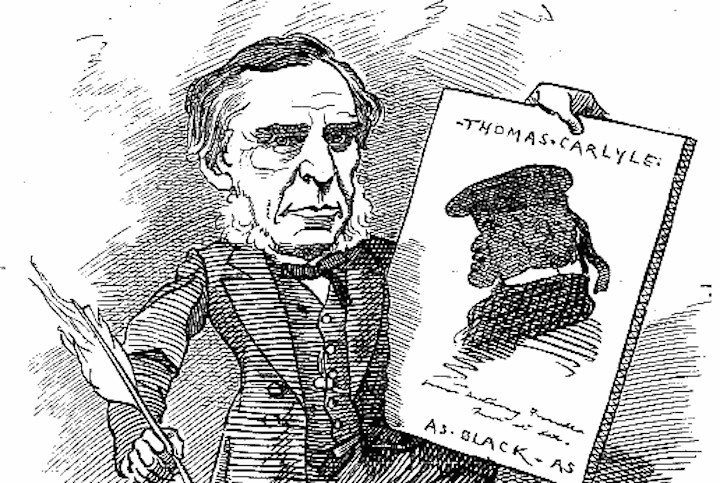
James Anthony Froude (1818-1894 – uitgespreek Frood) was ‘n Britse historikus. Hy is veral bekend vanweë sy boeke oor die Britse en Ierse geskiedenis en vir sy biografiese publikasies oor Thomas Carlyle (1795-1881). Carlyle was in vele opsigte Froude se mentor. ‘n Aanduiding van Carlyle se politiek is te vinde in sy essay, “Occasional discourse on the negro question.” Die volledige teks is gratis op die internet beskikbaar – ook Amazon Kindle, 19p, $11,38! “I feel there is an immense fund of Human Stupidity circulating among us.” Carlyle was beswaard oor die mode-ideologieë van destyds, wat hom laat voel het asof hy ‘n minderheid van een is. Kevin D Williamson het onlangs ‘n hele boek oor hierdie onderwerp gepubliseer: The smallest minority: Independent thinking in the age of mob politics (2019, 256p; Amazon Kindle $14,94).

James Anthony Froude (23 April 1818 tot 20 Oktober 1894)

Carlyle het bv waargeneem hoe gelukkig die swart Wes-Indiërs was terwyl hulle eilande weens bv luiheid of werkskuheid besig was om ekonomies ten gronde te gaan. Hierdie standpunt het inslag by Froude gevind, soos ek in ‘n volgende rubriek sal aantoon. Sedert 1994 is soortgelyke optimisme, ten spyte van rommelstatus, plaaslik waarneembaar. Carlyle het hom sterk uitgelaat: “No Black man who will not work according to what ability the gods have given him for working, has the smallest right to eat pumpkin … but has an indisputable and perpetual right to be compelled … to do competent work for his living. This is the everlasting duty of all men, black and white.” Luiheid of werkskuheid behoort nie met filantropie, bv staatstoelaes, vergoed te word nie.

Carlyle het in ‘n tyd gelewe toe iets soos hedendaagse politieke korrektheid nie bestaan het nie. “I remember a sober Scotsman, by no means addicted to frivolous merriment, telling me that he had come out of Carlyle’s house in physical pain from continious laughter at an imaginary dialogue between a missionary and a negro which Carlyle had conducted entirely himself” (aangehaal deur Paul, bron hier onder, Kindle 4094).

Drie biografieë is oor Froude gepubliseer. Die eerste een, deur Herbert W Paul, het in 1905 verskyn. Waldo Hilary Dunn (1882-1969) is die outeur van die tweede biografie: James Anthony Froude: A biography (Oxford: Clarendon Press, 1963). Die jongste Froude-biografie is deur Julia Markus geskryf en is in 2005 gepubliseer. Ek het ongelukkig nie toegang tot Dunn se boek nie, maar Markus verwys dikwels daarna. Ek bespreek vervolgens die boek van Paul in deel 1 van hierdie rubriek en Markus se biografie in deel 2.

Herbert W Paul

Herbert W Paul (1853-1935), ‘n Britse joernalis en politikus, het 11 jaar ná Froude se dood die eerste biografie oor hom gepubliseer: The life of Froude (New York: Scribner/Good Press, 1906/2019, 300p; Amazon Kindle $1,92). Paul was uitstekend ingelig en verskaf ‘n duidelike beeld van die destydse omstandighede. Biografieë van skrywers het dikwels as newetitel: His/Her life and works. In hierdie geval word die klem eerder op Froude se publikasies as sy lewe gelê, met as veronderstelling dat dit die beste manier is om ‘n outeur te leer ken. “Froude is in his books, especially in his books of travel, for in them, more than anywhere else, he thinks aloud” (Kindle 3477). Maar Paul se relaas omvat nie al Froude se skryfwerk nie. “A large number of Mr Froude’s letters were destroyed after his death, and it was not intended by the family that any biography of him should be written” (16). Gelukkig het Froude se dogter, Margaret, sover moontlik hulp aan Paul verleen.

Treffende sêgoed kom in die boek voor:

  • “The most useless of all coats, a coat of arms” (Edward Gibbon – 31). As die ANC-regime sy sin kry, sal die enigste wapens wat blankes mag besit, familiewapens wees.
  • “The way to heaven was to turn to the right and go straight on” (Froude se pa – 50). Dit is steeds waar, maar daar is deesdae glad te min siele wat polities regs is.
  • Tydens die groot hongersnood in Ierland in die middel van die 19de eeu het Froude waargeneem “well-fed priests, and a starving peasantry in rags” (296). In die nuwe Suid-Afrika is dit dikwels ‘n geval van uitgevrete, oorgewig politici en kreperende menigtes.
  • Die volgende aanhaling van Froude kan ook met ons huidige situasie geassosieer word: “I have no doubt that we could not get on without the devil. If it had not been so, he would not have been … We cannot leave what works somehow for what only promises to work” (581). Dink aan al die “uitdagings” (eintlik eie onvermoëns) waarmee die ANC-regime te make het.
  • “Publishers, like mothers-in-law, have got a bad name from bad jokes” (663).
  • “There are many writers of history, but very few historians” (763).
  • “It is much easier to preach than to argue” (800).
  • Koning Hendrik die VIIIste “was a good Catholic who preferred to be his own Pope” (Thomas Macaulay – 1009).
  • “The worth of a man must be measured by his life, not by his failure under a single and peculiar trial” (1036).
  • “The arts which have made the greatest progress are the arts of destruction” (1262); iets wat sekerlik waar van die gewelddadige, terroristiese ANC en die nuwe Suid-Afrika is. Dit geld ook vir die Amerikaanse swartes, soos hulle tans weer daagliks demonstreer.
  • “[Edward] Freeman could no more handle a metaphor than he could fish with a dry fly. He therefore, without the smallest consciousness of being absurd, condemned Froude for doing what he was unable to do himself” (1508).
  • “Print imposes some obligations” (1935). Dit is sekerlik waar. Sedert gedrukte leesstof in groot mate deur elektroniese publikasie aangevul word, het die gemak waarmee inligtingverspreiding geskied, meegebring dat skrywers minder verantwoordelikheid aan die dag lê. In werklikheid behoort baie meer omsigtig gehandel te word omdat die inligting feitlik dadelik wêreldwyd beskikbaar is.
  • “Great nations are those which produce great men” (Benjamin Disraeli – 1969). “The history of mankind is the history of great men” (Carlyle en Froude – 3814). Maar ‘n mens moet nie grootsheid gaan soek waar daar nie is nie. Byvoorbeeld, daar is fout as daardie gewaande status weens terrorisme verwerf is.
  • “I believe in holy earth as little as he [the Bishop of Peterborough] believes in holy water” (John Bright – 2039). Maar daar is aarde, bv blanke plase, wat asof dit heilige grond is (ten alle koste) beskerm moet word.
  • “I believe Bishops have produced more mischief in this world than any class of officials that have ever been invented” (Froude – 2075).
  • “That there are limits to the power of majorities no sane Constitionalist denies” (2114). Teoreties behoort dit só te wees, maar in die nuwe Suid-Afrika is toegelaat dat die swart meerderheid (dalk vir altyd) feitlik absolute politieke mag bekom het.
  • “The Church is not the same. It improves with the general march of progress that it condemns” (2283). Dink aan sommige in die NG Kerk wat deesdae bv rasgemengde- en selfdegeslaghuwelike goedpraat.
  • “It is always pleasant to discover that a preacher of righteousness has not been a good example himself” (gesê van Carlyle – 2927).
  • “A good woman with perhaps an excessive passion for insecticide” (3093), gesê van Carlyle se vrou, Jean Welsh, deur Charles Bowen omdat daar in haar postuum gepubliseerde briewe “too many household details” voorkom (3093).
  • “As they say of the mansions of Ireland, ‘they are always within a hundred yards of the best situation,’ so one feels that Froude is never quite in the bull’s-eye in the view he gives” (Frederick Dufferin – 3253).
  • “One sentence which all democrats would do well to learn: ‘Popular forms are possible only when individual men can govern their own lives on moral principles, and when duty is of more importance than pleasure, and justice than material expediency'” (3298).
  • “Each extension of the suffrage brings [a Chamber/Parliament] to a lower intellectual level” (Froude – 3332); iets wat ons sedert 1994 feitlik daagliks eerstehands ervaar.
  • “To what purpose the ineffectual strivings of short-lived humanity? Man’s life was but the shadow of a dream, and his work was but the heaping of sand which the next tide would level flat again” (Froude – 3531).
  • “[Benjamin] Disraeli only deceived others, whereas [William] Gladstone deceived also himself” (3565).
  • Oor Charles Darwin se evolusieleer: “Is man an ape or an angel? I, my lord, am on the side of the angels” (Disraeli – 3610). Hoewel ‘n dom mens reeds eeue lank in verskeie tale spreekwoordelik ‘n aap of ‘n bobbejaan genoem word, het die ANC-regime se denk- en uitdukkingspolisie besluit dat ‘n blanke dit nooit van ‘n swarte mag sê nie – andersom is dit vir hulle uiteraard heeltemal toelaatbaar. Woorde soos aap en bobbejaan gee ANC-kamerade as’t ware aapstuipe. Aapstuipe: “baie kwaad wees” (HAT).

“Froude was a born story-teller, with an irresistible propensity for making books” (366). “He wrote for the multitude who read books for relaxation, who want to have their facts clearly stated, and their thinking done for them” (600) – “easy, graceful narrative” (1191). “Froude said to [Alfred] Tennyson that the most essential quality in an historian was imagination … [ie] the truth as perceived by him” (1061). “He denied that history was a science” (3805). Froude: “I profess only to have dealt with my materials honestly to the best of my ability” (1627). “He made no claim to be impartial” (606), “[but] we must not transfer the passions of one age to the controversies of another” (857). Froude word as ‘n literêre historikus beskou (1262); iemand wie se werk graag en maklik gelees word, maar wie se publikasies vakkundig nie altyd na waarde geskat word nie.

“He adopted the creed of individualism, private enterprise, no interference by Government, and free trade” (530). “Froude had no faith in socialism” (399). “He recoiled from materialism” (543). “In democracy he had no faith” (832; ook 990, 2185). Soos Carlyle het hy gedink: “A low franchise would mean a low standard of politics [and government]” (844) – soos ons deesdae daagliks ervaar. “He had always a great contempt for universal suffrage” (844). “Froude and Carlyle had the same scorn of the multitude” (901). “[Their] ideal form of government was an enlightened despotism” (2021). “Froude … regarded Carlyle as his teacher, feeling that he owed him his emancipation from clerical bonds” (574). “Froude … learnt … that natural phenomena were due to natural causes” (380). “His belief that history had been cericalised, and required to be laicised, was regarded as peculiarly offensive” (1183). “Religion, he said, was meant to be obeyed, not to be examined. The sun was invaluable, unless you looked at it. If you looked at it, you saw neither it nor anything else” (907).

“The Reformation was the hinge on which all modern history turned” (693, 3841). Froude was kompromisloos Protestants en sterk teen Rooms-Katolisisme gekant. “He held that Protestant countries were the most prosperous because they were morally the best” (901). “Froude was an Englishman first and a Protestant afterwards … Much of his popularity was due to his patriotism and his Protestantism” (1071). “No one hated injustice more than Froude. But cruelty as such did not inspire him with any horror. No punishment, however atrocious, seemed to him too great for persons clearly guilty of enormous crimes” (1561). Die volgende beeld van Froude is in skrille kontras daarmee: “One newspaper quaintly described him as ‘looking like a Scotch farmer, with an open frank face and calm mild eyes'” (1969).

As ‘n ras- of etniese groep in ‘n onderdanige posisie is, kan sulke mense meer uitstaanbaar wees as wanneer hulle beheer oor ‘n land oorneem – soos ons sedert 1994 agtergekom het. As patriotiese Brit het Froude met betrekking tot die Iere soortgelyke insig geopenbaar, hoewel die kulturele kloof in daardie geval baie kleiner as in Suid-Afrika was en is. “So long as they [the Irish] are not supreme, Catholics are the best of subjects, of citizens, of neighbours, of friends” (1054). Sy twee hoofsware was: “The Irish are an inferior race and Catholicism an inferior religion” (2283). Ook: “The Irish are a subject race … [and] the Catholic faith is a degrading superstition” (2327). “Froude assumed that Irish Catholics had taken a double dose of original sin” (2336). Froude “had no sympathy with their political aspirations” (1289). Hy het dikwels vir lang tydperke in Ierland gewoon. “His liking for the Irish, though perfectly genuine, was accompanied with an underlying contempt which is more offensive to the objects of it than the hatred of an open foe. He regarded them as a race unfit for self-government, who had proved their unworthiness of freedom by not winning it with the sword” (1925).

‘n Mens kan jouself afvra: Is die apatie/willoosheid/koersloosheid van sommige hedendaagse Afrikaners en hulle gebrek aan selftrots nie te wyte aan die roemlose De Klerk-magsoorgawe nie? Daardie mandaatlose hensop druis immers lynreg in teen die hele Afrikanergeskiedenis van vóór 1990/94. “Independence she [Ireland] could not have, and that not because the interests of Great Britain forbade it … but because she was unfit for it herself … she … has never herself made an effective fight for her own rights … The Irishman requires to be ruled” (1989). “The misfortunes of Ireland are rather due to the congenital qualities of the race than to wrongs inflicted by their conquerors” (2012). “If Ireland desires to be a nation, she must learn not merely to shout for liberty, but to fight for it” (2030).

“I say frankly, that I believe the control of human things in this world is given to the strong, and those who cannot hold their own ground with all advantage on their side must bear the consequences of their weakness” (2057). Dit was ‘n klein groepie Afrikaanssprekende blankes wat in 1990/94 te vrot was om hulle man te staan, gevolglik is hulle deur die ANC ore aangesit. Froude “had stated in uncompromising language his opinion of the Irish race. ‘Passionate in everything – passionate in their patriotism, passionate in their religion, passionately courageous, passionately loyal and affectionate – they are without the manliness which would give strength and solidity to the sentimental part of their dispositions” (2213).

‘n Kernkenmerk van sy politiek was dat “Froude had always been interested in the Colonies, and was an advocate of Federation long before it had become a popular scheme” (2430). “Disraeli … spoke of the Colonies as millstones round our necks … Lord [Henry Herbert] Carnavon [1831-1890, colonial secretary 1866/7 and 1874/8] … passed in 1867 the Bill which federated Canada … He was now anxious to carry out a similar scheme in South Africa, and Froude offered to find out for him how the land lay. His visit was not to be in any sense official” (2439). Die Britse regering sou sy reis- en verblyfkoste betaal. Froude was altyd baie suinig. Toe hy later die Wes-Indiese eilande besoek het, het hy probeer om sover moontlik gratis by Britse amptenare tuis te gaan. In sy reisverslag het hy opvallend hoë lof vir sy weldoeners.

Hy het Suid-Afrika in 1874 besoek. “Froude was a firm believer in the Dutch method of dealing with Kaffirs … With the Boers Froude had a good deal of sympathy. Their religion … appealed to his deepest sentiments, and he admired the austere simplicity of their lives” (2491). “If we can make up our minds to allow the colonists to manage the natives their own way, we can safely confederate the whole country” (2500). By sy terugkeer Froud “proposed the assemblage of a Federal Conference at Cape Town” (2525). “In June, 1875, Froude went back to South Africa, this time as an acknowledged emissary of the Government” (2534). John Charles Molteno (1814-1886) was toe die eerste minister van die Kaapkolonie (1872-1878). Die Kaapse regering het Froude se besoek as inmenging in die kolonie se huishoudelike sake beskou, des te meer omdat ‘n federasie die skeiding van die Wes- en Oos-Kaap sou insluit. Die Molteno-regering se standpunt was: “All they claimed was complete freedom to manage their own affairs, to federate or not to federate, as they pleased and when they pleased” (2585). Die voorgestelde konferensie oor federalisme in Kaapstad het nie plaasgevind nie en die een in Londen in 1876 het misluk omdat Molteno geweier het om dit by te woon.

“Froude was too sanguine when he wrote: ‘A Conferate South African Dominion, embracing all the States, both English and Dutch, under a common flag, may be expected as likely to follow, and perhaps at no distant period” (2638). Hy was sy tyd vooruit. Die Unie van Suid-Afrika, nie ‘n federasie nie, het eers in 1910, 35 jaar later, tot stand gekom. Froude het die Britse regering gewaarsku dat Cetewayo met sy 40 000 gewapende manskappe in Natal ‘n ernstige bedreiging vir vrede inhou. “South Africa cannot be self-governed … except with the good-will of the Dutch population” (3166). “Unless South Africa was to be despotically governed, it must be administered with the consent of the Dutch. He dwelt strongly upon the danger of allowing and encouraging natives to procure arms in Griqualand West as an enticement to work for the diamond owners” (2638).

“Circumstances brought him [Froude] into much greater favour with the Dutch than with his own countrymen, for it was thought, not without reason, that he had brought Carnavon round to see the truth about the Diamond Fields and the Free State” (2568). Tereg was dit vir Froude so duidelik soos daglig dat die Britse regering die Vrystaat uit die diamantevonds in Griekwaland-Wes verneuk het. “In 1878 … Griqualand West became an integral part of Cape Colony” (2620). “Froude’s South African policy was to work with the Dutch and keep the natives in their place” (2664). “Froude would not have been a true disciple of Carlyle if he had felt or expressed much sympathy with the native race. He wanted them to be comfortable. For freedom he did not consider them fit. It was the Boers who really attracted him, and the man he admired the most in South Africa was President [Johannes] Brand [1823-1888, president of the Orange Free State, 1864-1888]. The sketch of the two Dutch Republics in his Report [to the British government] is drawn with a very friendly hand. He thought, not without reason, that they had been badly treated” (2603). Froude was medeverantwoordelik daarvoor dat die Britse regering ₤90 000 skadevergoeding vir die diamantveld aan die Oranje-Vrystaat betaal het (2655).

In 1877 het Froude hom sterk teen die anneksasie van die Transvaal uitgespreek (2647). Hy het gedink Suid-Afrika was ‘n plek “where everthing was being done [by the British government] which he thought least wise ” (3253). Hy het tevergeefs gehoop “that there is to be an end of ‘glory and gunpowder'” (3315). Froude is vóór die uitbreking van die Anglo-Boereoorlog (ABO, 1899-1902) oorlede. Die ABO het getoon dat hy Joseph Chamberlain (1836-1914, Britse minister vir kolonies, 1895-1903) verkeerd getakseer het: “I like Chamberlain. He knows his mind. There is no dust in his eyes, and he throws no dust in the eyes of others” (3323). Chamberlain was in werklikheid in vele opsigte verantwoordelik vir die uitbreking van die ABO.

Carlyle was bekend vir sy “eloquent and humourous diatribes [which] were wonderful, laughter-moving, awe-compelling” (2802) – “jewels five words long” (2936): Byvoorbeeld: “[Stuart] Mill was a poor feckless driveller. [Charles] Darwin was a pretentious sciolist. [John Henry] Newman had the intellect of a rabbit. Herbert Spencer was ‘the most unending ass in Christendom’ … Editing [John] Keats was ‘currying dead dog'” (2793). “If he was a severe critic of others, he was a still sterner judge of himself” (3058). Froude het ‘n biografie oor Carlyle geskryf, waarin nie net sy voortreflikhede nie, maar ook sy tekortkominge aangetoon word. “The public had got on a false scent, and gossip had found a congenial theme. Carlyle was in truth one of the noblest men that ever lived. His faults were all on the surface” (3006). “That a great man often has many small faults is a truism which does not need perpetual insistence” (3032). “But the trivial mind grasps at trivialities, and will not be satisfied without them” (3084). “Froude still thought him the greatest man of his age” (2891). Ná Carlyle se dood het sy niggie, Mary Carlyle, groot probleme vir Froude veroorsaak, bv met aansprake op kopiereg van en outeursvergoeding vir Carlyle se werk. Ek gaan nie in besonderhede daaroor skryf nie. Wat van belang is, is dat Carlyle se naaste familielede, sy oorlewende broer en oorlewende suster, vir Froude gesteun het met uitsprake soos: “[Carlyle] always spoke of you as his best and truest friend” (2979).

“[Froude] loved travel, and as soon as he had shaken off the burden of Carlyle he took a voyage round the world, described, not always with topical accuracy, in Oceana (1886 – 3374). “A tour through the Colonies for the purpose of conversing with their most influential statesmen had long been one of his cherished plans … on the 6th of December, 1884, he left Tilbury Docks, with his son Ashley” (3391). “Before the end of the year Froude was at Cape Town, renewing his acquaintance with familiar scenes … Sir Hercules Robinson was Governor and High Commissioner, a man after Froude’s heart, ‘too upright to belong to any party,’ and thoroughly appreciative of all that was best in the Boers” (3400).

Hierdie besoek aan Suid-Afrika was baie kort. Daarna is Froude na Australië, waar daar sprake van federasievorming was, wat eers in 1901 werklikheid geword het. In Nieu-Seeland het hy George Grey (1812-1898, goewerneur van die Kaapkolonie 1854-1861) besoek, wat as Nieu-Seelandse eerste minister (1877-1879) nie danig suksesvol was nie. Froude se gevolgtrekking was: “The Colonies would be true to the mother country if the mother country were true to them” (3409). Via Amerika het hy in 1885 na Engeland teruggekeer.

“Before 1886 was out he had started on a voyage to the West Indies” (3409), weer met die idee dat hierdie Britse eilande in ‘n federasie saamgesnoer kon word. Hy het egter spoedig tot die gevolgtrekking gekom: “Imperial Federation is far away” (3486). “Except Australia, which is homogeneous, like the Dominion of Canada, the British Empire is no nearer Federation, and Ireland is no nearer Home rule, than they were then” (3495). Van sommige luidrugtige Britse politici sê Froude: “They are generous with what costs them nothing – Irish land, religious liberty, emancipation of niggers – sacrificing the dependencies to tickle the vanity of an English mob and catch the praises of the newspapers” (3436). Froude was krities oor die verswelgende swart meerderhede op die eilande. “In these islands there is only sadness. In New Zealand there was hope and life” (3460). Sy reisindrukke het hy gepubliseer in sy boek, The English in the West Indies (1888). Hy het gedink daardie eilande behoort despoties deur die Britte regeer te word. “The negroes were a difficulty. They were not really fit for self-government, as the statemen of the American Union [USA] had found. Personal freedom, the inalienable right of all men and all women, is a very different thing from the possession of a vote” (3503). “[His book] provoked numerous criticisms, though not of the sort which interfere with success. In everything Froude wrote … allowance has to be made for the personal equation” (3468).

Paul verskaf die volgende samevatting van Froude se idees: “He held the Reformation to be the greatest and most beneficent change in modern history. He believed the English race to be the finest in the world. He disbelieved in equality, and in Parliamentary government. Essentially an aristocrat in the proper sense of the term, he cherished the doctrine of submission to a few fit persons, qualified for authority by training and experience” (4015). “Froude detested and despised the cosmopolitan philosophy which regards patriotic sentiment as a relic of barbarism” (4040).

In ‘n volgende rubriek sal ek Julia Markus se Froude-biografie bespreek en daarna Froude se reisboek oor Suid-Afrika, asook die een oor die Wes-Indiese eilande.