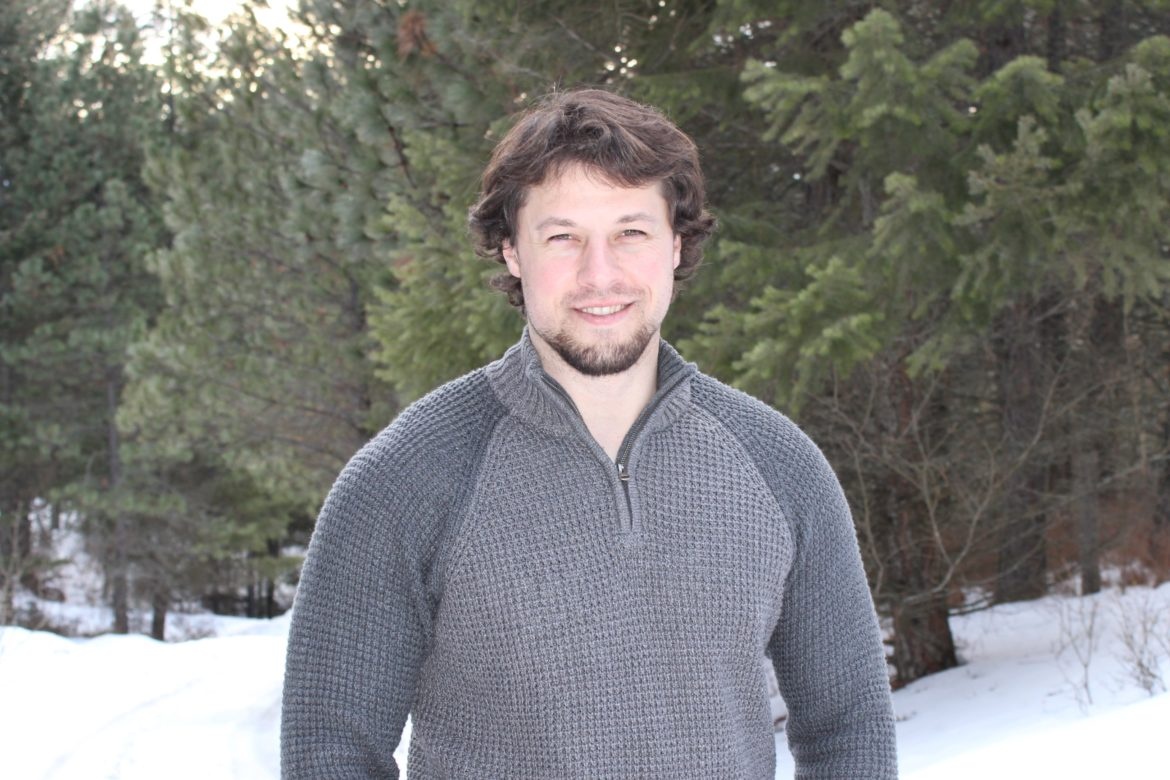
Leon Lemmer: Julian Langness oor massa-immigrasie en JK Rowling

By ‘n vorige geleentheid het ek oor Julian Langness se boek, Fistfights with Muslims in Europe: One man’s journey through modernity (2016) geskryf (Praag 17.04.2016). Dieselfde rubriek handel ook oor ‘n boek van Bruce Bawer. Wat hierdie twee outeurs, afgesien van Amerikaanse burgerskap, gemeen het, is ‘n verwantskap met Noorweë. Langness het Noorse voorouers terwyl Bawer in Noorweë woon. Maar ‘n ander ooreenkoms is hier van belang: Albei het boeke gepubliseer oor die kulturele aftakeling wat veral Moslem immigrante in Europa veroorsaak.

Volgens Langness stel die Moslem-immigrante hulle religie bo alles. Hulle beoog die Islamisering van Europa, dus “to restore the caliphate” (Kindle 491). Histories is dit gedoen deur “to either kill or convert” nie-Moslems (491). Langness verwys na “large populations of immigrants displaying a combination of very high birthrates and very low labor participation rates” (528). Volgens hulle moet van “white supremacists” ontslae geraak word (2343). In laaste instansie is die doel “the abolition of whiteness” (2334). In Moslem-lande het nie-Moslems tweedeklas-burgerskap, Dhimmitude genoem, wat herinner aan die tweedeklas-burgerskap wat blankes in die nuwe Suid-Afrika het. In ons geval is die diskriminasie nie op religie gebaseer nie, maar op ras, wat dit ‘n erger vergryp behoort te maak. “Newspapers ‘were expressly forbidden to mention a person’s ethnic or immigrant background in reports on criminal cases lest a bad image be projected’ … If Norwegians were given the facts, it ‘might trigger racist responses'” (861). In Suid-Afrika is dit sedert 1994 algemene praktyk dat die ras/kleur/vreemde nasionaliteit van misdadigers nie genoem word nie.* Langness skryf tereg “The longing for tribe and heritage is one of the most innate drives that we as humans possess” (73). Ten spyte van giftige propaganda moet blankes hulle selfrespek behou (765). Sy pessimistiese gevolgtrekking oor Europa is: “A culture that is unwilling to fight for its survival does not deserve to survive” (1346). Dit kan ook op Afrikanerkultuur van toepassing wees. [* In die Weste is linkse elemente ferm in beheer van “the academy, the entertainment industry and the press” (Boek in volgende paragraaf, Kindle 2069) – ook in Suid-Afrika.]

Identity rising

Die voorafgaande paragraaf is op my genoemde vorige rubriek gebaseer omdat Langness in sy twee latere boeke, wat ek hier onder bespreek, hierdie standpunte herhaal. In Identity rising: How Nationalist Millennials will re-take Europe, save America, and become the new ‘Greatest Generation’ (St Paul: ES Linden, 2017, 337p; Amazon Kindle $1,14) is Langness skynbaar optimisties. Namate die getal en persentasie van Europa se nie-blanke bevolking toeneem, kom die syns insiens onvermydelike burgeroorlog nader, wat volgens hom deur die tradisionele Europeërs gewen kan/gaan word. Hy veronderstel die tradisionele Europeërs beskou hulleself “as a distinct singular group – an ‘us’ – worthy of fighting and dying for” (Kindle 808). Met die oog hierop bepleit hy ‘n terugkeer na manlikheid. Soos Friedrich Nietzche (1844-1900) het hy dit teen “men without chests” (971), oftewel mans sonder die spreekwoordelike knaters. Die kulturele marxiste, daarenteen, “declared masculinity ‘toxic’, and claims that gender differentiation should be abolished” (2352).

Francis Fukuyama het in sy boek, The end of history and the last man (1992), geskryf oor “the end point of mankind’s ideological evolution and the universalization of Western liberal democracy as the final form of human government” (962). Na die Moslem-geïnspireerde 9/11-aanvalle het George Will opgemerk, “history had returned from vacation” en Fareed Zakaria het dit beskryf as “the end of the end of history” (979). Die “law of the jungle” het met die 9/11-gebeure in Amerika, die voorste Westerse land, toegeslaan (989, 1007). Daar het hierna klaarblyklik heelwat werk voorgelê om die fondamente van Westerse beskawing te verstewig. “‘Cultural-nationalism’ … opposes the third-worldization of the West and the purposeful destruction of Western culture” (2326).

Die stryd teen Kritiese Teorie, oftewel kulturele marxisme (bv in die gedaante van politieke korrektheid en regstellende aksie), is sedert 9/11 (2001) met hernude ywer hervat. “In this system of belief, blacks must take black power and wield it over whites, women must do the same over men, gays over straights, and so on. Obviously such examples point to the depths of insanity that modern progressivism has reached” (1025). “Progressivism at its core is nothing more than a nihilistic form of cultural suicide” (1034). “Indeed many have called progressivism nothing more than a new and perverted form of turn-the-other-cheek Christianity, where white racism has replaced original sin, and the suicide of the West as atonement for that original sin has replaced the rapture and ascendance to heaven” (1043). Kulturele marxiste noem “disloyalty toward family … faith … race … [and] nation” (1043) as voorbeelde van “open mindedness” (1052).

Langness se “obsession with Europe” (27) lei hom tot die gevolgtrekking dat dit die moeite werd is om vir die oorlewing van Europese kultuur te veg. Wat hy voorsien, is dus anders as wat plaaslik op so ‘n skandalige wyse plaasgevind het, naamlik dat FW de Klerk weens die wanhantering van die onderhandelinge sonder slag of stoot oorgegee het. Selfs die veel geprese Grondwet laat blykbaar die owerheidsdiefstal van blankes se eiendom toe. Wat my in ‘n sin met droefheid vervul, is dat die multikulturalisme in Europa te laat gekom het. Europese lande het deur die bank apartheid verdoem omdat daar in daardie destydse grootliks monokulturele samelewings geen begrip was vir die diepgaande kulturele verskille tussen Europeërs en nie-Europeërs nie.

Die huidige situasie in Europa toon ook dat die assimilasie en rasse-integrasie van nie-blankes in blanke samelewings in groot mate nie plaasvind nie; dat die dogma van rasse-integrasie as iets natuurliks ‘n mite van die kulturele marxiste is. “This was especially apparent to anyone who actually spent time in majority non-white areas, where blacks, Hispanics, and Muslims (especially in Europe) almost universally self-selected into homogenous communities, and treated passersby of other races with suspicion and often aggression” (1744). In Suid-Afrika maak die ANC en sy kornuite, soos Jonathan Jansen, hulle egter skuldig aan militante gedwonge rasse-integrasie. Greg Johnson stel die teenoorgestelde standpunt, ook namens Afrikaners, pragtig: “It [is] natural, normal, and right for us to love our own and to be concerned with the future of our people” (2435). Tussen die Weste (bv Amerika en Europa) en Suid-Afrika is die groot verskil dat die blankes daar nog in die meerderheid en polities in beheer is terwyl die demografiese winter (2714) reeds lank sy verbete greep op Suid-Afrika het.

Blank Europa se jong en middeljarige mense raak al hoe meer gatvol vir die situasie waarin hulle hulle bevind. “Being born in the 1980’s and early 90’s, they were the first generation that had known what was popularly called ‘multiculturalism’ since birth. While celebrated across the West as the ultimate fulfillment of liberal-democracy, this ‘diversity’ had been anything but rosy for them … they were … taught that they were ‘privileged’ as white Europeans, and that they had been born into a history of racism and oppression, and countries still steeped in each, which it was their duty to make up for” (86). Al hoe meer Europese blankes beskou hulleself as lede van “Generation Identitaire” “staging provocative public protests against what they viewed as the evils being perpetrated upon Europe” (95). In die hoofstroom-inligtingsmedia word hulle gedemoniseer as “Neo-Nazi’s” en veral in Duitsland is daar drakoniese wette teen “haatspraak” om sulke bedrywighede aan bande te lê (103). Dít is die lot van mense wat hulle vir vanselfsprekendhede soos “secure borders, secure future” beywer (111).

Soos ander behoudende skrywers noem Langness veral Wes-Europa “Middle-Earth” (270). Dit verwys na JRR Tolkien (1892-1973) se benaming vir die fiktiewe sentrale kontinent in die noorde in sy boeke The Hobbitt (1937) en The Lord of the Rings (1954/5). In die suide is “Dark Land.” Tolkien is in Bloemfontein gebore, gevolglik het hy seker geweet waarvan hy praat. Dit is die voortbestaan van die tradisionele inwoners van hierdie kernkontinent, Europa (en Wes-Europa in veel groter mate as Oos-Europa), wat tans deur massa-immigrasie bedreig word. Ek moet byvoeg dat Langness na my mening te veel verskillende soorte generasies probeer onderskei en beskryf en dat hy, ook deur te veel herhaling, neig om ‘n oorpropagandistiese indruk te wek.

Daar is frases wat treffend is en ‘n mens bybly, bv “Homosexuality was not just tolerated but sentimentalized and celebrated” (414) en Harold Rosenberg se “herd of the independent minds” (356). Die pro-massa-immigrasie dwase “saw – or wished to see – their own generosity and ‘humanitarianism’ reflected back at them” (448). “They blamed the immigrant violence [including terrorism – 602] on ‘European racism'” (555) en is vervul met self-haat (565). Guillaume Faye noem hierdie verskynsel “ethno-masochism” (565) – masochisme is die “abnormale geestesgesteldheid waarby liggamlike mishandeling of vernedering van die self ‘n noodsaaklike middel vir … bevrediging en geluk … is” (HAT). Die Arabiese woord “asabiya” word gebruik vir “the concept of collective solidarity … the ability of its [a group’s] members to stick together, to cooperate; it allows a group to protect itself against the enemies, and to impose its will on others … aggressive and defensive strength is obtained only through … the mutual affection and willingness to fight and die for each other” (808).

Oor saamstaan/solidariteit is daar by Afrikaners groot ruimte vir verbetering. Enoch Powell het reeds in 1968 in Brittanje teen massa-immigrasie gewaarsku en met verwysing na die Britse kiesers genoem:”They were never consulted, they found themselves made strangers in their own country” (491). “They were now the unwanted. They now learn that a one-way privilege is to be established by an act of parliament” (499), soortgelyk aan die benadeling van blankes en die eensydige bevoordeling van swartes sedert 1994 in Suid-Afrika. In Brittanje en Wes-Europa is daar volgens Langness “the spectacle of mass-immigration … carried out against the wishes and best interests of the native citizenry” (519).

Volgens Langness is kulturele rehabilitasie in sommige Wes-Europese lande nie meer moontlik nie. “Germany, Sweden, the Netherlands, Belgium, France, and the UK are too far gone” (3003). Daarmee erken Langness eintlik dat die Westerse hart uit Wes-Europa geruk is; dat Westerse kultuur eerder, of langer, in Oos-Europa sal oorleef. Hy probeer egter moedig om optimisties te wees, mits ‘n ommekeer spoedig kom. “The transformation of society can begin with a small dedicated minority” (3164) – ‘n gideonsbende; ook in die geval van die Afrikanerdom? Dit kan/moet “metapolitical ‘meme warfare’ insluit (3184); iets waarmee Praag reeds sedert 2000 besig is. “Without such a turnaround it will be too late, and by the time my 5 year old son is my age, hugh swaths of the West will have been destroyed, or at least changed into something that can no longer be called the same” (3044).

Langness voorsien dat Amerika in nasiestate/tuislande kan opbreek. “There might be a Hispanic nation in the southwest, a nation purely for African-Americans somewhere in the south, a European-American nation somewhere else, and multiple other small states, which could choose the direction they best saw fit” (3318). “I would view such a future breakup positively, specially if it prevented worse outcomes” (3335), soos nie-blanke oorheersing. “The worst-case scenario for America is that progressivism is triumphant … America would likely devolve into an even more pronounced high-crime, low-trust society. Mass-immigration would continue, eroding the asabiya of the nation until nothing is left. Everyday life would likely be like Brazil or South Africa … there would be massive crime, massive suffering, and little-to-no way to turn things around” (3335).

Daar het ons dit: Suid-Afrika as die slegste moontlike scenario vir Amerika, “soulless darkness” (3590), en dit is geskryf voor die aankondiging van die beoogde owerheidsdiefstal van blankes se eiendom. Wat ek moeilik vind om te verstaan, is dat daar volwasse blankes met (‘n mate van) skynbare verstand is wat op die ANC se beoogde onteiening sonder vergoeding reageer deur te sê hulle moet eers oor die besonderhede ingelig word voordat hulle weet wat om daarvan te dink; maw hulle is nie op beginsel teen misdaad, by name diefstal, gekant nie. Ander sê Cyril Ramaphosa se aankondiging moet deeglik gelees word. Dan blyk dit glo dat die gevolge nie so erg gaan wees nie.

Die fatale fout wat gemaak word, is dat veronderstel word dat die ANC ‘n betroubare entiteit is, dat wat die ANC sê en wat hy doen identies is. Die ANC het bv gesê hy sou geweldpleging tydens die 1990/94-onderhandelinge opskort, maar het sy geweldpleging onverminderd voortgesit. Die ANC is ‘n hoogs immorele instansie wat homself loof as hoogs moreel maar hom in werklikheid opportunisties as nie-onderhewig aan Westerse waardes soos integriteit ag en met niks vertrou behoort te word nie; veral nie met die belange van blankes nie. Die amptelike loslating in die Suid-Afrikaanse samelewing van die beginsel van die “regmatige” toe-eiening van iets in ruil vir niks gaan die land (verder) vernietig.

The coming war in Europe

‘n Bundel met 18 van Langness se opstelle is gepubliseer en is gratis beskikbaar: The coming war in Europe: Essays on Europe’s coming destabilization and internal confrontation with Islam (St Paul: ES Linden, 2017, 153p; Amazon Kindle $0). Sy hooftema is weer massa-immigrasie. Sommige van sy statistiek en stellings mag oordrewe voorkom, maar hulle toon ‘n neiging wat voltrek word, al sou dit dalk langer duur as wat hy voorspel. Langness noem dat 30% van die Sweedse bevolking van nie-Sweedse oorsprong is (68) en dat die meeste tradisionele Swede 60+ jaar oud is, terwyl die nie-Swede meesal jonk is (75). “The Swedes will become a minority in their own country within 2041” (97). “In Sweden, ‘politically correct’ is an obsession worthy of demonic possession” (527).

“German 20-35 year-old’s will be a minority in that country by, at the latest, 2020” (113). Anders as in Frankryk, is daar in Brittanje groter verdraagsaamheid oor Moslemdrag: “:The UK police will now [2016] employ Burka-clad female officers in their ranks” (1074). David Cameron, die Britse Konserwatiewe eerste minister (2010-2016), het dit reggekry om die volgende stommiteit kwyt te raak: “It is mainstream Britain which needs to integrate more with the British Asian way of life, not the other way around” (1483). Interessant is die feit dat van Wes-Europese lande verwag word om sogenaamde vlugtelinge as immigrante te aanvaar, terwyl nie ‘n enkele van die Golfstate in die Midde-Ooste dit vir hulle mede-Moslems doen nie (486).

Langness verwys na Guillaume Faye se boek, The colonisation of Europe (2016), bv sy begrip van “ethno-masochism” wat “white self-hatred” beteken en die leerstelling van “miscegenation as Supreme Value” tot gevolg het (197). Die Moslems in Frankryk “are very well aware of the fact that they are conducting an ethnic civil war and that their goal is to aggress against the indigenous peoples” (203). Baie blanke Franse se “limitless self-hatred and ideologically-driven guilt mean that any action by immigrants, no matter how horrible, can be explained by them as being caused by white racism” (203). Die progressiewes redeneer: “Immigrants struggle only because of structural inequality and racism, they commit crimes and become terrorists because they are excluded, once they feel as though they belong they will become fully integrated” (210). Sulke redenasies word geopper ten spyte van die feit dat “terrorism is now a part of life in Europe” (1427).

Faye dink nie enige van die “oplossings” wat vir die massa-immigrasie vraagstuk voorgestel word, sal slaag nie. “They include everything from a continuation of the status quo, to the utopian notion of the successful assimilation, to peacefully co-existing parallel societies within the same nation, to the idea of paying migrants to return home (as Norway has attempted to a small extent)” (223). “Only by inserting an additional variable into it can it [the problem] be solved. To Faye, that variable is civil war” (230), dus die herowering van hulle kontinent deur die Europeërs. Burgeroorlog sal uitbreek “when there was a confluence of three events: (1) when security forces are no longer able to contain Muslim criminality and aggression; (2) when the Muslims become powerful enough that they start demanding and imposing concessions upon society and the goverment; and (3) when the economy begins to fall apart (likely under the weight of mass immigration/multiculturalism)” (256). Langness voeg by: “Surely Faye’s civil war will come at some point no matter what. By the time Muslims make up 80% of the population, can any of us imagine native Europeans living with them free and unmolested?” (282). Die tragedie is dat swart oorheersing in Suid-Afrika [“the state as evil/Goliathesque” – 1408) reeds daardie 80%-merk verbygesteek het. Die plaaslike blankes lewe sekerlik nie “free and unmolested” nie.

Viktor Orban, die eerste minister van Hongarye, het die situasie in Europa raak opgesom: “For us today, what is at stake is Europe, the lifestyle of European citizens, European values, the survival or disappearance of European nations, and more precisely formulated, their transformation beyond recognition. Today, the question is not merely in what kind of a Europe we would like to live, but whether everything we understand as Europe will exist at all” (562).

Samuel Francis het soos volg oor die situasie in Amerika geskryf, wat in verskeie opsigte aan die nuwe Suid-Afrika herinner: “What we have in this country today … is both anarchy (the failure of the state to enforce the laws), and, at the same time, tyranny – the enforcement of laws by the state for oppressive purposes; the criminalization of the law-abiding and innocent through exorbitant taxation, bureaucratic regulation, the invasion of privacy, and the engineering of social institutions, such as the family and local schools; the imposition of thought control through ‘sensitivity training’ and multiculturalist curricula, ‘hate crime’ laws, gun-control laws that punish or disarm otherwise law-abiding citizens but have no impact on violent criminals who get guns illegally, and a vast labyrinth of other measures. In a word, anarcho-tyranny” (843). Langness meen omstandighede in Europa is soortgelyk aan dié in Amerika en die aanwesigheid van “no-go zones”, waarin die owerheid, bv die polisie, dit nie kan waag nie, “is a sign of a failed state” (915).

Mathieu von Rohr kom met ‘n interessant Twitter-aanhaling vorendag: “I’m tired of living in interesting times” (613). Daar word verwys na “the White Preservation movement” (1360) en ek het voorheen gewag gemaak van die wenslikheid, eintlik noodsaaklikheid, van die herwaardering van blankes, bv hulle oor die algemeen voortreflike moraliteit en hulle ongeëwenaarde prestasies in onder meer Afrika.

Wat Afrikaners vorentoe meer as ooit nodig het, is sisu. “Sisu is a Finnish word that cannot be translated metaphrastically into the English language, loosely translated to mean stoic determination, grit, bravery, guts, resilience, perseverance and hardiness, expressing the historic self-identified Finnish national character” (2072). Dit is die teenoorgestelde van sommige blankes wat “ethno-suicidalists” is (1565), dus wat met hulle gedrag die ondergang van hulle etniese groep bevorder. Wat ons as blankes moet begeer, is “eucatastrophe” wat die teenoorgestelde van “catastrophe”, soos die nuwe Suid-Afrika, is (2086).

In sy 10de opstel slaan Langness ‘n ietwat ander blaadjie om en skryf hy oor JK Rowling se Harry Potter-boeke.

JK Rowling

J.K. Rowling

JK Rowling (gebore in 1965) is ‘n Britse skryfster wat onder die skuilnaam Robert Galbraith ook misdaadromans skryf. Onder haar eie naam het sy wêreldwye bekendheid met die reeks van sewe Harry Potter-kinderboeke (1997-2007, 4195p) verwerf. Die eerste Potter-boek is deur 12 uitgewers verwerp voordat Bloomsbury ingewillig het om ‘n klein oplaag te druk. Deesdae is Rowling skatryk met reuse, luukse huise in Skotland en Engeland. Die vraag kan gestel word: Waaraan dank die Potter-boeke hulle gewildheid? Die antwoord is: Deels aan politieke byderwetsheid.

Die fantasie-element in die Potter-boeke kan in ‘n mate teruggelei word na die werke van JRR Tolkien. ‘n Deurlopende invloed op Rowling is Jessica (Decca) (1917-1996), die kommunistiese vyfde Mitford-suster, die rooi skaap in die familie. Die ander vyf Mitford-susters (Nancy, Pamela, Diana, Unity en Deborah) het nie kommunistiese neigings gehad nie; in twee gevalle (Diana en Unity) eerder simpatie met fascisme. Oor Rowling se linkse politiek is daar geen twyfel nie. Sy is ‘n ondersteuner van die Britse Arbeidersparty en die Amerikaanse Demokratiese Party. Sy is teen Skotse politieke onafhanklikheid gekant en ook teen Brexit.

Oor die Potter-boeke skryf Langness: “It proved impossible to miss their blatantly purposeful reflection of Progressive SJW-orthodoxy” (1040). SJW: Social Justice Warrior. “It was abundantly clear for all who read the books that JK Rowling wanted them to reflect the ‘progress’ of multicultural Britain that she and her ilk were so proud of, as well as serve as a warning to impressionable yound children of the evils that come from focusing on race/tribe/heritage/culture. In this regard they sought to serve as the perfect artistic metaphor or mascot for late 20th century liberal humanism … in the United Kingdom’s drive to banish all vestiges of racism, traditionalism, fascism, and homogeneity from its society during those years, its government and intelligentsia created horrors far surpassing the fictitious ones that Rowling portrayed in her books” (1052).

“Through their blind and unquestioning devotion to the religion of ‘multiculturalism’ and ‘diversity’, Rowling’s contemporaries in the UK government and media have ushered in a society more frightening than anything she wrote about in her books. This is the horrible and tragic irony of JK Rowling’s great success. Only time will tell if the people of the UK realize what has happened, and reject this real-life dark wizardry. In the world of Harry Potter, it took seven long books for evil to be defeated. Does the UK have that much time?” (1095). Langness het hierdie vraag al in 2016 gestel.

Dit is algemeen bekend dat die Potter-boeke oor bv toordery en heksery handel. Maar Rowling spreek ook haar seën uit oor bv multikulturaliteit, veelrassigheid, rasvermenging, homoseksualiteit, feminisme en internasionalisme. Dit blyk dat sy gekant is teen die uitoefening van gesag, slawerny, ras- en kulturele meerderwaardigheid, rassisme, onderdrukking, ens. Sy het beweer dat sy geen beswaar teen massa-immigrasie het nie; dat Brittanje sy grense moet oopstel en meer immigrante/”vlugtelinge” moet inneem. Sy het spesifiek teen Donald Trump se immigrasiebeleid uitgevaar. In 2017 is Rowling deur skeptici uitgedaag om van hierdie inkommers in haar ruim wonings te huisves. Daar is glo 18 ekstra kamers in haar huis in Londen beskikbaar en baie ruimte vir die oprigting van skuilings vir vlugtelinge op haar landgoed. ‘n Versoekskrif met meer as 50 000 handtekeninge is opgestel. Daar word steeds op Rowling se instemmende antwoord gewag. Sy predik oorverligte idees maar is nie bereid om op te offer en self ‘n voorbeeld te stel nie. Dit is ander mense wat die “vlugtelinge” moet koester.
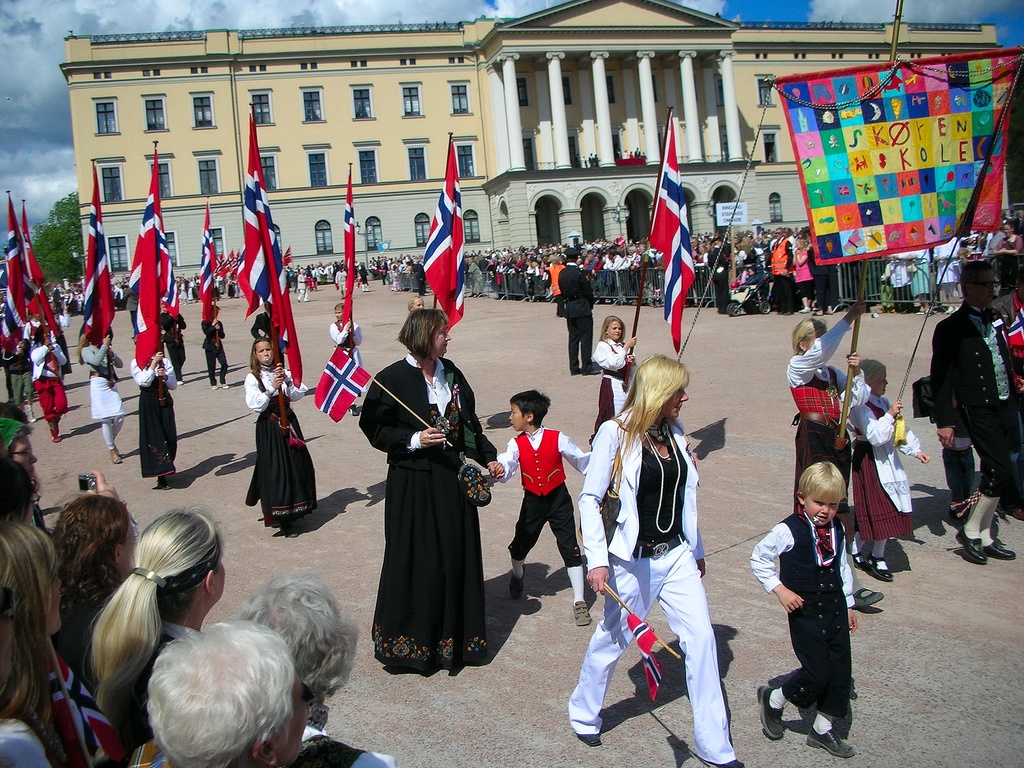
Leon Lemmer: Regse politiek in Noorweë

Bruce Bawer, ‘n Amerikaner wat sedert 1999 in Noorweë woon, het bekendheid verwerf met sy boek oor die verideologiseerde linksheid van die Amerikaanse universiteitswese: The victims’ revolution: The rise of identity studies and the closing of the liberal mind (New York: Broadside Books, 2012, 405p; Amazon Kindle $15,95). Voor dit het hy reeds sy verontwaardigde aandag toegespits op die kulturele aftakeling wat immigrante in Europa veroorsaak. Sy bekendste boek hieroor is: While Europe slept: How radical Islam is destroying the West from within (New York: Doubleday, 2006, 256p; Amazon Kindle $9,31). Hy het dit opgevolg met nog ‘n boek oor dieselfde onderwerp: Surrender: Appeasing Islam, sacrificing freedom (New York: Anchor, 2009, 338p; Amazon Kindle $15,95). Maar ek gaan my aandag bepaal by sy latere boek, The new Quislings: How the international left used the Oslo massacre to silence debate about Islam (New York: Broadside Books, 2012, 109p; Amazon Kindle $7,97).

Bawer beoog om “home truths about Islam and multiculturalism” tuis te bring, bv “that Islam was not all sweetness and light” (Kindle 643). Die “Quislings” in die boektitel verwys na Vidkun Quisling (1887-1945), wat tydens die Duitse besetting van Noorweë die staatshoof was (1940/1942-1945) en na die ontsetting weens verraad tereggestel is; onder meer omdat hy Noorweegse Jode na Duitsland gedeporteer het. “Quislings” het ‘n sinoniem vir heulers en verraaiers geword; ‘n term wat sedert 1990 goedskiks op sommige Afrikaanssprekende blankes toegepas kan word. Bawer gebruik die term Quislinge vir polities linkses wat bv pro-Moslem-immigrasie is en daardeur tradisionele Noorweegse kultuur ondermyn. Jostein Gaarder, die outeur van bv Sophie’s world (1991) en wat sterk pro-Palestynsgesind is, is ‘n Quisling. Gaarder ontken dat hy anti-Joods is, maar hy het geskryf: “To present oneself as God’s chosen people is not just stupid and arrogant, but a crime against humanity. We call it racism … We do not believe in divine promises as a justification for occupation and apartheid” (1006).

Die Oslo-slagting het op 22 Julie 2011 plaasgevind. Die moordenaar is Anders Behring Breivik. Hy het ‘n bom by ‘n regeringsgebou in Oslo laat ontplof wat 8 mense gedood het. Daarna het hy na die eiland Utøya gegaan waar ‘n jeugkamp gehou is. Hier het hy 69 jeugdiges doodgeskiet. Sy motief was om beswaar te maak teen die invloei van immigrante uit die Derde Wêreld. Hy was beswaard oor die regerende Arbeidersparty se skepping van ‘n welsynstaat en sy immigrasiebeleid. Daarom die aanval op die regeringsgebou. “The Oslo bombing was intended to be an execution of the party’s current leaders. The massacre at the camp … was meant to destroy its next generation of leaders” (1156). Slegs sowat ‘n halfdosyn van die jeugdige slagoffers op die eiland was immigrante.

Toe nuus van die slagting bekend geword het, is aanvanklik algemeen vermoed dat Moslem-ekstremiste daarvoor verantwoordelik was. Later het dit geblyk dat ‘n Noorweër die enigste persoon is wat die massamoord gepleeg het. Die aanvanklike vermoede het gelei tot ‘n reuse veldtog om Noorweërs skuldig te laat voel (soos wat van blankes plaaslik verwag word om skuldig oor apartheid te voel). Enersyds was daar ‘n oorreaksie ten bate van immigrante, gestu deur regerings- en mediapropaganda, bv “All Norway is one, united in love” (374). “During the days after the atrocities, the Norwegian TV news showed leading politicians and other prominent figures making pilgrimages to mosques and hugging imams” (483). Andersyds het etniese Noorweërs selfondersoek gedoen en hulle afgevra in hoeverre daar reste van hulle onbeskaafde Vikingvoorgeslagte in hulle oorgebly het. Hierdie tweevoudige reaksie is die tema van Bawer se boek.

Die populêre selfbeeld van Noorweërs is dat hulle goeie mense is, “an inner Lutheran – a stiff-necked, holier-than-thou moralist missionary imbued with an overweening, unconscious condescension toward members of the lesser races, whom they are eager to help ‘save’ in order to revel in their own virtue … I have never seen a country’s elite make more of a spectacle out of its foreign aid and charity efforts” (700). Die propagandaveldtog om die herstel van Noorweërs se tradisionele selfbeeld was so fel dat selfs die regse Vooruitgangsparty (Progress Party), eens die tweede grootste politieke party in Noorweë, oor sy weersin in immigrasie teruggekrabbel het. Al wat dit hierdie party in die sak gebring het, is verminderde steun by die kiesers.

Die outeur vestig die aandag op die Noorweegse regering se geskiedenis van slegte behandeling van Jode en sy openlike ondersteuning van terrorisme. Bawer verwys bv na die toekenning in die hoofstad Oslo van “Nobel Peace Prizes to murderers” (694); sommige van hierdie pryswenners word hoog in Suid-Afrika geag. Breivik is pro-Israel-gesind (419) wat gekontrasteer kan word met “many Scandinavian leftists’ pathological anti-Semistism and loathing of Israel” (425). Die Oslo-slagting het as onwenslike gevolg dat geregverdigde kritiek op Islam gesmoor word omdat Breivik met die Vooruitgangsparty en die afkeuring van politieke korrektheid geassosieer word.

In sy manifes noem Breivik dat Europa met massamoord van sy polities linksgesindes, bv kulturele marxiste wat multikulturalisme voorstaan, gered moet word. Volgens Breivik gaan dit vir hom om die oorlewing van Westerse beskawing. Hy is ‘n beweging bestaande uit ‘n enkele mens. Breivik haal Andrew Jackson (1767-1845, Amerikaanse president 1829-1837) soos volg aan: “One man with courage makes a majority” (156). Die Amerikaanse digter Robert Frost (1874-1963) het gesê: “Don’t ever take a fence down until you know why it was put up” (162). Hier kan ‘n mens aan die beskerming van landsgrense teen die invloei van bv ongewenste immigrante dink en ook aan die redes vir kultuurgebaseerde rasse-segregasie.

Bawer verwys na die “censorship of European media”, wat (soos in Suid-Afrika) dikwels die vorm van polities korrekte selfsensuur aanneem: “The media are at pains to avoid identifying evildoers as Muslims”(388). In Suid-Afrika word misdadigers nie as bv swartes of as (onwettige) immigrante in die massamedia geïdentifiseer nie omdat dit glo rasse- en vreemdelingehaat sou aanblaas. “Some immigration-related issues are not open to debate in Sweden”* (182). In Noorweë word linkse koerante deur die regering gesubsidieer (550). Die Oslo-slagting is gedebatteer teen die agtergrond van die “Danish author Lars Hedegaard’s grim prediction of Europe’s future” (184). Hedegaard het dit veral teen Islamisering terwyl Breivik ook oor militante feminisme beswaard is. “He recalls ‘mandatory knitting and sewing courses’ in primary school, the goal of which, in his view, was ‘to feminise European boys'” (220). Peder Jensen “thought feminism had been the ruin of Norway, destroying the once proud Viking nation’s willingness to stand up for itself” (1589). Breivik se standpunt kan soos volg opgesom word: “I did everything I could to stop and reverse the European cultural and demographic genocide and end and reverse the Islamisation of Europe” (258).

[* Swede is nie werklik dié toonbeeld van vryheid en verligtheid nie. “Homeschooling is now illegal in Sweden” (Julian Langness, bron hier onder, Kindle 853). Sweedse skoolkinders word op hierdie manier gedwing om met immigrante te meng. Daarteenoor neem tuisonderwys in party Amerikaanse state amper dieselfde afmetings as staatsonderwys aan, juis omdat Amerikaanse ouers die vryheid gegun word om hulle kinders uit rasgeïntegreerde skole te hou. “The overwhelming number of … immigrants has created a large housing crisis in Sweden, and in 2015 some members of the Swedish political establishment even suggested seizing summer homes from Swedish citizens to be used as housing for these asylum seekers, as well as taking old churches and reconstituting them for the same purpose. In modern Sweden, multiculturalism has become the veritable state religion, and any public speech or information that deviates from this narrative is considered dangerous and unacceptable” (853).]

Toe Bawer in 1998 in Amsterdam gewoon het, het dit hom opgeval “that the children of immigrants were more hostile to their surroundings that their parents had been” (270); dus die teenoorgestelde van assimilasie. Dit kontrasteer met die aanvanklike situasie toe “our new countrymen” geloof is want hulle “enriched Europe” met hulle kultuur en selfs met hulle blote teenwoordigheid (624). “In the months before July 22 [2011], the leaders of Western Europe’s three largest countries, Angela Merkel [Germany], Nicolas Sarkozy [France], and David Cameron [Britain], pronounced the failure of multiculturalism” (649; ook 994, 1785). In 2001 het die Noorweegse kulturele antropoloog Unni Wikan die blaam vir die kolossale toename in verkragtings in Noorweë, meesal deur nie-Westese mans teen etniese Noorweegse vroue gepleeg, op die slagoffers se uitlokkende kleredrag geplaas (283). Hierdie vroue kan glo interkulturele harmonie bevorder deur hulle kleredrag te verander (289). Daar was ‘n inisiatief van “Norways Anti-Racist Center … In order to overcome intercultural friction, non-Muslims should meet their Muslim neighbors over a cup of tea” (718).

In die praktyk is Quislinge “Eurabia propagandists”, dus mense wat ten gunste van die Islamisering van Europa is (1416). “Today’s Quislings insist that ‘fighting words’ are dangerous, that criticism of Islam is ‘hate speech'” (1217). Dit is soortgelyk aan die oproepe van ons plaaslike Maxiste dat ons nie iets ter behoud van Afrikaans en blankes se belange moet doen nie, dat ons gedwee agteroor moet sit, ons bekke moet hou en moet luister wat swartes te sê het en bowenal sonder beswaar moet afstaan wat hulle ook al begeer. Oor die beskuldiging van “racist Islamophobia” stel Bawer ‘n belangrike punt: “Hostility to Islam is not racism because Islam is not a race – it is a religion, one whose ideology, in a free country, should be subject to legitimate examination and criticism, which is what had finally begun to happen in Norway in recent years” (1342).

Die joernalis Roger Cohen, “a British-born Jew of South African extraction” (1329), is ‘n Quisling wat Israel veroordeel en Islamisering goedpraat. Maar daar is al hoe meer Europiërs wat tot die besef gekom het van “the duplicity of political leaders who have imposed upon them, without ever asking their permission, a mass immigration into their countries that has radically altered their lives and seriously imperiled their futures” (1354). “Cohen’s article was a fine example of how PC [Political Correctness] works: not through fair argument with respect for the truth, but through moral intimidation, the demonizing of one’s opponents, and the characterization of their opinions as dangerous” (1367).

Julian Langness

Soos Bawer is Julian Langness ‘n Amerikaner. Hy het ru in die Rotsgebergte grootgeword en daar geleer om sy man te staan en indien nodig te baklei: “The area I grew up in was a blue collar logging community high in the Rocky Mountains” (bron hier onder, Kindle 734). Dit lyk asof hy egte Vikingbloed het. Hy het Noorse voorouers en het daarom die behoefte gehad om tydens sy besoeke aan Europa ook Noorweë te verken. Sy voorouers het in Halden in die suid-ooste van Noorweë by die grens met Swede gewoon. Die Swede is destyds deur die Noorweërs as invallers en stropers ervaar. Langness het ‘n boek oor sy wedervarings gepubliseer: Fistfights with Muslims in Europe: One man’s journey through modernity (Mead: ES Linden Co, 2016, 95p ; Amazon Kindle $1,13). “My tribe is that of Europe” (1232). “The longing for tribe and heritage is one of the most innate drives that we as humans possess” (73).

Op universiteit in Amerika “over and over I would hear the refrain that America and Europe were racist lands, whose histories were of nothing more than oppression and patriarchy and violence” (395). Die wit dosente “were devoting their lives to teaching about the evils of their ancestors” (402). “History is thus one long story of the downtrodden and powerless taking back what should rightfully be theirs” (1068). Nelson Mandela was in dieselfde tradisie: Suid-Afrika is die swartes se land en daarom is dit reg dat hulle dit vir hulleself toe-eien. Langness se opmerkings oor die Amerikaanse universiteitswese is soortgelyk aan wat Bruce Bawer in sy 2012-boek (1ste paragraaf hier bo) geskryf het.

Die gevoel teen Amerika is baie sterk in Europa. Vandaar “the advice that those from the US should claim to be Canadian when travelling in Europe” (614). Europa se probleme met immigrante uit die Derde Wêreld het in die 1960’s begin toe sogenaamde gasarbeiders toegelaat is om die mannekragtekort, wat deur die baie gesneuweldes van die Tweede Wêreldoorlog veroorsaak is, te verlig. Hierdie gaste het permanente inwoners geword en mettertyd ook hulle uitgebreide gesinne/families in Wes-Europa hervestig. Daarna is hulle getalle in ruime mate met asielsoekers uit die Derde Wêreld aangevul. In hierdie proses het Duitsland bv baie Turke en Frankryk baie Algeriërs as burgers gekry.

Daar is ook die verskynsel van “the Graying of Europe” (833) waarvolgens die getal bejaardes vermeerder sonder dat hulle getalle met genoeg blanke kinders aangevul word. “The prime solution given by European analysts and politicians is the need for increased immigration, in order to provide an increased number of working-age citizens” (840). “This argument is based on the assumption that all these immigrants will quickly become fully-functioning, productive members of society … this is overwhelmingly not the case however” (847). Die probleem is dus nie net die groot getal immigrante nie. Dit is ook dat baie van hulle parasities op die welsynstelsels teer. Langness verwys na “large populations of immigrants displaying a combination of very high birthrates and very low labor participation rates” (528).

Die linkses “ascribe only economic motivations to the Islamists, when in reality what they are fighting for has nothing to do with economics” (454), want dit gaan om religie, die Islamisering van Europa, dus “to restore the caliphate”. Histories is dit gedoen deur “to either kill or convert” nie-Moslems (491). Eintlik gaan dit om baie meer as religie. “Islam is far more than merely a religion, encompassing also an entire social code and legal system. These rules govern even the most mundane tasks related to personal hygiene, diet, sexual intercourse, the justice system, personal finance, and economics. The codification of these laws and specific rules for everyday life, from the ‘Sharia’ to ‘Dhimmitude’* (the second-class legal status afforded to Christians and Jews in Muslim-majority countries) are what allowed Islam to expand so rapidly during its bursts and starts of conquest over the last fourteen hundred years. Indeed, Islam’s great power is rooted in this ability to expand and subjugate. The very term ‘Islam’ comes from the Arabic word for ‘submission'”** (499).

[* Die tweedeklas-burgerskap van blankes in die nuwe Suid-Afrika kan ook “dhimmitude” genoem word, maar dit is ras- pleks van religiegebaseerd, wat dit ‘n erger vergryp behoort te maak.
** Die titel van Michel Houellebecq se jongste roman is Submission (New York: Farrar, Straus and Giroux, 2015, 257p; Amazon Kindle $13,67). In ‘n vroeëre roman, Platform (2001), het hy hom so krities oor Islam uitgelaat dat hy onsuksesvol van die opstoking van haat aangekla is. Die titel van Bruce Bawer se 2009-boek, Surrender (1ste paragraaf hier bo), is eintlik ook maar ‘n sinoniem vir “submission”.]

Moslems “do not support or acknowledge our Western political nation-state system as legitimate.” Wat hulle begeer, is “to destroy the system and replace it with theocratic rule” (513). Op sy beurt beteken dit die drastiese agteruitgang van Europa, want Moslems beskou 7de eeuse Arabië as die volmaakte samelewing (475). Dit is waarom lande waarin Islam oorheersend is wêreldwyd neig om agterlik te wees. Maar dit is sulke immigrante wat volgens oorverligtes in Europa verwelkom moet word. Volgens oorverligtes is daar ‘n manier waarvolgens die verdrinking van immigrante in die Middelandse See voorkom kan word: “These crossings must be made easier. They articulate that the problem is that it is too hard for asylum seekers to cross into Europe, and that only through helping them to do so more effectively can tragedies such as these drownings be stopped … The idea that the European nations’ liberal immigration policies – and their willingness to give government services to any migrants who can make it to their shores – create the problem of the drownings, is a concept never heard spoken” (868).

“No immigrant could commit a crime, no matter how heinous, without the Europeans jumping over themselves to take the blame. They spoke of European racism, of the history of colonialism, of socio-economic disparities, and of their failures to help immigrants make as much money as native Europeans … The Europeans seemed to have developed a collective ‘battered-wife syndrome’, in which any attack on them was considered legitimate, and where any problem caused them to immediately proclaim their guilt … what was most noticeable was the Europeans’ – and especially male Europeans’ – fear of standing up for themselves and others” (1000). “Indeed the behavior of European men seemed to indicate a wholesale societal rejection of manhood, and of honor most principally” (1023). Daar moet onderskei word tussen “a ‘good man’ versus being ‘good at being a man'” (1030).

“The European establishment is completely unwilling to look objectively at the question of immigration. They forge policies based on emotion – primarily sympathy and misplaced guilt – instead of rationally examining what is best for both the immigrants willing to risk their lives to come to Europe, and what is best for themselves and the people of their own countries. They are also unwilling to hold these immigrants accountable once they get to Europe, which further exacerbates the problem. Therefore the net result is massive numbers of immigrants, many if not most of whom are not integrated into the society into which they arrive … This destabilizes their host European countries” (876).

Die eerste Europese land wat Langness besoek het, is Nederland*. Tradisioneel roem Hollanders graag op hulle progressiewe, liberale politieke ingesteldheid, hulle “open-mindedness and tolerance” (579). Die vrye beskikbaarheid van prostitusie en dwelms is deel van hierdie opset. Die gewildheid van sport, televisie en videospeletjies dui vir Langness op die middelmatigheid en selftevredenheid wat hy ook elders in Europa aangetref het. Baie van hierdie mense leef in ‘n virtuele wêreld, “an omnipresent distraction from the real world” (656). Selfs die politiek word ‘n vorm van vermaak (686); ook hier by ons, waar parlementsittings met ‘n pryssanger begin. Maar nie net die politiek nie; ook openbare godsdiensbeoefening is al hoe meer ingestel op vermaak. Daar is megakerke met megaskerms, luidsprekers en “a hybrid preacher-comedian”** (693). Evangelical Christianity … has fallen into a pattern of making its services more and more indistinguishable from the outside world – and striving to create Churches that are identical to the secular and commercial spaces around them” (700).

[* Nederland was amptelik een van die mees uitgesproke lande teen apartheid. Dit was ‘n poging om ‘n ander beeld van homself te skep weens skuldgevoelens oor sy koloniale verlede. Multatuli (Eduard Douwes Dekker, 1820-1887) se boek, Max Havelaar (1860) oor Java, asook van sy ander geskrifte is klassieke uitbeeldings van die Nederlandse koloniale verlede.
** “Islam represents an almost diametrically opposed version of religion, one filled both with sacrifice and ritual. The ritual of ‘salat’ is at the very foundation of Islam, as well as a key ingredient of its dramatic success as an organized faith. Five times a day the individual Muslim engages in a ritual dating back 1400 years … Islam embraces its status as a medieval religion that is distinct from the trappings of our modern world. Many would argue that this is exactly why Islam is dangerous, and why its adherents tend towards fanaticism and violence, yet we ignore the attractiveness of Islam for these very same reasons at our peril” (693).]

“In contrast to this pattern of consumption is the act of creation*. Writing, singing, telling stories, building things, growing food and plants, cooking dinner, all are acts of an inventive nature. And many argue that there is a direct correlation between an individual’s level of creation and their sense of fulfillment with life … the act of creation increases our happiness and fulfillment and lessens our angst” (663). Verklaar ledigheid en die gebrek aan inisiatief en kreatiwiteit nie dalk ten minste deels waarom ons plaaslike voorheen benadeeldes, oftewel tans bevoordeeldes, hulle eerder tot vandalisme, oproer en ander vorme van anti-sosiale gedrag wend nie?

[* Jihad is die heilige oorlog wat deur Moslems teen nie-Moslens gevoer word. “The institution of jihad itself is viewed as an act of creation by those waging it. Through jihad the individual Muslim is creating sacrifice to God, creating new Muslims (through conquest), and creating or achieving glory for oneself as an individual Muslim as well as glory for one’s family” (707). Sommige Moslems word selfmoordmartelare, “another example of just how much some are willing to sacrifice for their religion and their God and their culture” (707).]

In Amsterdam is daar baie immigrante uit bv Suriname. In so ‘n immigrantebuurt is Langness met ‘n klip gegooi maar hy het sy aanvallers verwilder. Hierna is hy na Parys en daarna na Wene. Hy het in vuisgevegte met immigrante betrokke geraak en nie altyd die beste daarvan afgekom nie. In Wene was dit ‘n geval van “getting really beaten up” (964). Hy het ‘n afkeer van Europeërs se afsydigheid en onbetrokkenheid wanneer immigrante in die openbaar onreg teen blankes pleeg. Vir hom gaan dit om sy selfrespek te behou (765). In Frankryk is daar “No-go zones” vir blankes. Dit is die woongebiede van veral immigrante en word eufemisties “Sensitive Urban Zones” (363) of “Priority Security Zones” (371) genoem. Langness verwys na die berugte onluste in Parys in 2005. “While the groups of rioters were clearly North Africans and Middle-Easterners, the European media referred to them only as ‘youths’ and did not link the riots with Islam or immigration in any way. French Prime Minister Dominique De Villepin even argued that the term ‘riots’ should not be used” (371).

Toe Langness in Oslo aankom, het hy dit vreemd gevind dat sy gasvrou, ‘n maatskaplike werkster, op ‘n afgesonderde plek in ‘n woud woon. Dáár is minstens 18 woonstelblokke, elk 6 verdiepings hoog, in die Sowjetstyl en besmeer met graffiti. Dit is waar Islamiete en ander immigrante geakkommodeer word. Dit herinner aan hoe lokasies in die ou Suid-Afrika agter die bult of anderkant die spoorlyn weggesteek is. Maar hierdie soort apartheid word deesdae aangetref in ‘n land wat een van die heftigste kritici van die ou Suid-Afrika was. Tydens ‘n besoek aan ‘n klub vind Langness dat net etniese Noorweërs en ander blankes toegelaat word. Hoekom nie ander mense nie? “They are not allowed in … They cause trouble … criminality” (286).

Toe Langness in ‘n bus ry, het hy ‘n immigrant wat na luide, opruiende musiek ter steuring van die insittendes geluister het, terreggewys. Dit is iets wat die polities korrekte Noorweërs nie sou doen nie. ‘n Indiër met ‘n swaar Britse aksent het hom egter gesteun. “I felt bad about the incident, but chalked it up to a culture clash” (153). ‘n Noorweër vertel hom met afgryse van die toename in verkragtings. In die pers word dit nie aan bv Moslems toegeskryf nie, maar aan “youths”* (199). Langness skryf oor “the increasing Muslin-on-European rape epidemic** … But the European media and governments did not seem to grasp the severity of such problems. They were proud of their countries’ burgeoning multiculturalism, and believe any difficulties that existed would disappear once immigrants felt more at home and were on ‘equal footing’ with ‘equal opportunities'” (388). Dit lyk vir my asof dit in ‘n neutedop dieselfde beleid is as wat deesdae aan die Universiteit Stellenbosch (US) toegepas word. Die US-verkragtingskultuur is van die bitter vrugte van transformasie. Pleks van hemel en aarde te verskuif om net so bedenklik soos die nuwe Suid-Afrika te probeer wees, behoort die US sy heil eerder in beter verskansing teen en groter isolasie van die brutaliteit van die hede te soek.

[* Langness haal aan uit Bruce Bawer se 2006-boek: Unni Wikan “has noted that ‘not much was known about the situation of immigrants in Norway’ before 1995 because ‘such knowledge was considered dangerous’. Newspapers ‘were expressly forbidden to mention a person’s ethnic or immigrant background in reports on criminal cases lest a bad image be projected.’ (This in a land that regularly tops the list of nations supposedly having the most press freedom.) If Norwegians were given the facts, it ‘might trigger racist responses’ and ‘our “colorful community” … would suffer'” (861).
** “Sweden is now home to the second highest per capita rape rate in the world, ranking only after Lesotho” (1273)]

By die Noorweërs is daar heelwat sinisme oor die Swede. Nie net omdat Noorweë eers in 1905 onafhanklik van Sweedse heerskappy geword het nie, maar ook omdat Swede in die Tweede Wêreldoorlog ‘n deurroete na Noorweë aan Duitse soldate verskaf het. Langness verwys bv na die volgende oordrewe Sweedse poging tot moderniteit: “Sweden was officially encouraging schools to begin using ‘gender-neutral’ pronouns. Rather than ‘he’ and ‘she’, some schools in Sweden had officially begun using the word ‘hen’ – as in ‘hen said’ instead of ‘he said’ or ‘she said'” (985).

Langness se pessimistiese gevolgtrekking oor Europa is: “A culture that is unwilling to fight for its survival does not deserve to survive” (1346). Dit kan ook op blanke, insluitende Afrikaner-, kultuur van toepassing gemaak word.