praag.co.za

Tag: John Laband

  • Leon Lemmer: ‘n Prulboek oor ons geskiedenis

    Leon Lemmer: ‘n Prulboek oor ons geskiedenis

    Die era vir die herskrywing, eintlik doelbewuste vervalsing, van Suid-Afrika se geskiedenis het aangebreek. John Laband het ‘n boek oor die gewelddadigheid van Hollandse en Britse kolonialisme geskryf (Praag 29.08.2020). Ons geskiedenis tot die negende Oosgrensoorlog (1877-1878) word gedek; nie die Anglo-Boere-oorlog of die swartes se gewelddadigheid nie. Laband is ‘n historikus met ‘n gebrekkige sin vir objektiwiteit. Nou is ‘n stap verder gegaan. Van ‘n nie-historikus, Patric Tariq Mellet (gebore in 1956), is ‘n boek gepubliseer wat suiwer propaganda vir sy pro-ANC-standpunt is: The lie of 1652: A decolonised history of land (Cape Town: Tafelberg, 2020, 427p; Kindle $13,56).
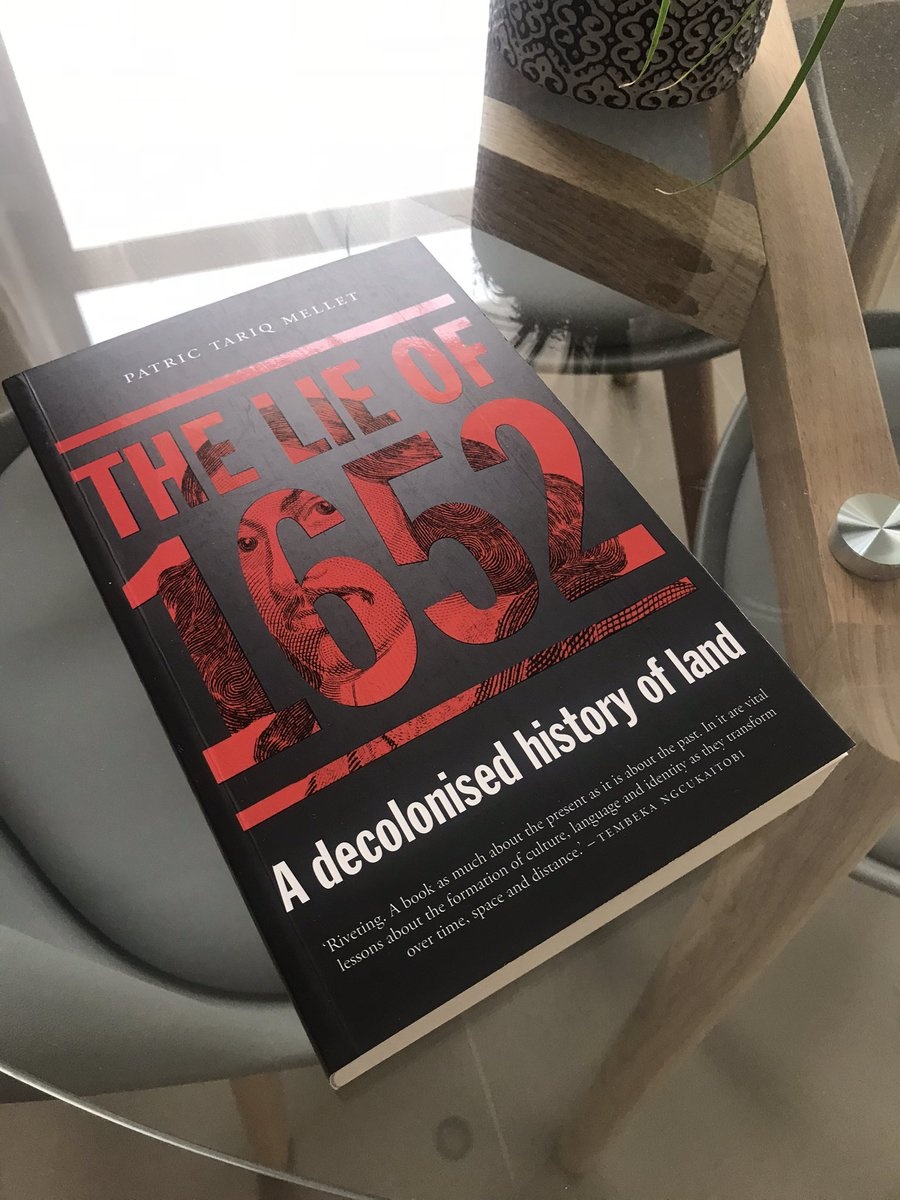
    Die outeur is beswaard oor “the suppression and distortion of history and heritage under colonialism and apartheid” (Kindle 3943). Sy doel is “to disrupt the dominant colonial paradigm of thinking about southern Africa” (1608). Daar is glo “a plethora of lies about almost everything that constitutes history in the Cape and a hiding of the truth about the full ancestral and cultural heritage of the majority of the population” (4798). “People have been denied their history and been indoctrinated by apartheid history for so long. Cultural liberation or restorative justice cannot be sought from a version of history concocted by those responsible for the demise of our heritage” (4498).

    Daar is geen sprake van enige pretensie op objektiwiteit nie. Die outeur word beskryf as “a former liberation movement cadre, who returned from exile in 1990” (7383). Hy het in 1999 ‘n MSc-graad oor “heritage tourism” aan Buckinghamshire New University verwerf; ‘n inrigting wat daarop aanspraak maak dat hy sedert 1891 bestaan, maar universiteitstatus is eers in 2007 aan hom toegeken.

    Op die ANC se South African History Online (“towards a people’s history”) is daar ‘n ellelange inskrywing gebaseer op Mellet se selfverheerliking. Hy het die voorkoms van ‘n blanke maar het tussen bruin mense by Kaapstad grootgeword. Op skool het hy nie verder as die Junior Sertifikaat (graad 10) gevorder nie, maar tyd gehad om politieke onrus te stook. Hy wou nie militêre diensplig doen nie en het hom as ‘n bruin mens laat herklassifiseer. In 1978 het hy Suid-Afrika verlaat. Hy roem op lidmaatskap van die ANC, MK en SAKP. As “vryheidsvegter” het hy as Pat de Goede bekend gestaan. Sy “magistergraad” is nie deur ander grade voorafgegaan nie. Ná sy terugkeer in 1990 het die ANC allerhande werkies aan hom gegee, wat onder meer talle buitelandse reise ingesluit het. Hy beweer dat hy meer as 30 lande besoek het of daar gewoon het (79). Die ANC-regime weet hoe om sy kaders op buitelandse reise te ontplooi. Dit maak nie saak hoeveel staatsgeld dit kos nie. In 2015 het Mellet afgetree. Dit het aan hom die geleentheid gebied om ‘n boek wat hy in 2010 gepubliseer het, Lenses on Cape identities: Exploring roots in South Africa (Cape Town: Dibanisa), te herskryf. Tereg beskou hy homself nie as ‘n akademikus nie, maar as ‘n “heritage activist.”

    Die skandaligste is dat Naspers/Media24 ‘n dekade ná Mellet se vorige boek hierdie opgewarmde propaganda gepubliseer het asof dit ‘n historiese relaas is. Wat opval, is dat geen historikus die boek aanbeveel nie. Dit lyk asof ANC-kruipsug in sy suiwerste vorm Tafelberg geïnspireer het om hierdie prulboek te publiseer. Min mense besef hoe radikaal Naspers sedert 1994 getransformeer is. Ton Vosloo en Koos Bekker het destyds skerp verskil toe Nasionale Pers se naam na Naspers verander is. Bekker het, skynbaar tereg, gedink dat ‘n heeltemal nuwe naam uitgedink moet word. Op Naspers se webtuiste is daar foto’s van drie nieblankes – geen blankes nie. Soos die ANC begeer, word Naspers se geskiedenis voorgestel asof dit eintlik eers in 1994 begin.

    Onlangs is talle berigte oor Danny Titus gepubliseer. Die indruk wat doelbewus gewek is, is dat Afrikaans ‘n steunpilaar verloor het. Afrikaans was Titus se moedertaal. Toe hy in Nederland studeer het, het hy egter al sy werkstukke in Engels gelewer; nie in Afrikaans of Nederlands nie. Hy het Engels as sy huistaal gekies, sy kinders in Engels laat skoolgaan en boodskappe in Engels aan sy oorlede vrou geskryf. Ek het kommentaar aan Netwerk24 gestuur om die aandag te vestig op die valsheid wat daar in Michael le Cordeur se lofsang vir Titus is (Netwerk24, 29.09.2020). My reaksie is nie gepubliseer nie. Ek het beswaar geopper teen die anonieme dwaas wat my opmerkings gesensureer het, maar dit is ook nie gepubliseer nie.

    Wat duidelik is, is dat Naspers/Media24 doelbewus valse voorstellings die wêreld instuur om sy politieke byderwetsheid gestand te doen. Toe Esmaré Weideman in 2018 as die uitvoerende hoof van Media24 uitgetree het, het sy die kommunistiese stommiteit verkondig dat die taak van ‘n joernalis is om die wêreld te verander. Dít funksioneer klaarblyklik steeds as Media24 se rigsnoer. In werklikheid is ‘n joernalis veronderstel om inligting so waarheidsgetrou moontlik oor te dra.

    Die gevaar wat ons loop met ‘n (voorheen) toonaangewende uitgewer wat ‘n prulboek publiseer, is dat wat Mellet beweer voortaan male sonder tal as evangelie aan ons opgedring gaan word. Dit sal dan soortgelyk wees aan Christo van Rensburg se bogbewering dat Afrikaans ‘n halfeeu voor die 1652-aankoms van Jan van Riebeeck ontstaan het. Glo danksy die buitengewone vindingrykheid van die Khoi-Khoin, al het hulle in geen ander opsig (buitengewoon) gepresteer nie. Die propagering van Mellet se boek as evangelie het reeds begin. Heindrich Wyngaard skryf: “Diepsinnig en noukeurig word daar met bruin mense se ras-dilemma omgegaan” (Die Burger, 2.10.2020, p 10).

    Van James Myburgh, wat Politicsweb in 2007 gestig het, is die volgende boek onlangs gepubliseer: The last Jacobins of Africa: The ANC and the making of modern South Africa (Politicsweb Publishing, 2020, 262p; Kindle $11,49). Die teks is reeds in 2007 vir publikasie aan Naspers voorgelê maar omdat die outeur hom krities oor die Thabo Mbeki-bewind uitlaat, is besluit “the book was too controversial to publish” (Kindle 235). Dit illustreer in watter mate Naspers/Media24 getransformeer is. Myburgh se verdienstelike boek word nie gepubliseer nie omdat die ANC/SAKP liefs nie gekritiseer moet word nie. Mellet se prulboek word egter op die publiek losgelaat al sal baie blankes, veral Afrikaners, die teks as hoogs aanstootlik en boonop vals ervaar. Heel moontlik koester die Tafelberg-uitgewery die nie-vergesogte hoop dat hierdie fopgeskiedenisboek aan universiteite en vir gebruik in skole voorgeskryf sal word, wat ‘n jarelange afset van derduisende eksemplare en dus groot wins kan verseker. (Ek hoop om Myburgh se boek eersdaags te bespreek.)

    Dit lyk asof baie blanke Suid-Afrikaners se onsinverklikkers sedert 1994 afgeskakel is. Wat Mellet met sy boek beoog, is “retorative memory that is vital to restorative justice” (138). Die valse beeld wat Mellet doelbewus van die verlede skep, kan myns insiens onmoontlik as grondslag vir herstellende geregtigheid dien. Wat Mellet heel moontlik eerder begeer, is dat die grootste moontlike onreg deur die ANC-regime teen die blankes gepleeg moet word. Nêrens in sy boek word daar erkenning gegee aan wat onder die leiding van die blankes in Suidelike Afrika tot stand gebring is nie.

    Vóór 1994 was Suid-Afrika die beskaafste, ontwikkeldste en voorspoedigste land in Afrika. Mellet sal dit seker uitsluitlik toeskryf aan die (gewelddadige) uitbuiting van die nieblanke inwoners. Hy toon geen begrip vir hoe gelukkig die inheemse bewoners dit getref het dat blankes uit Europa hierheen gekom het om die land en al sy inwoners se lewensomstandighede te verbeter nie. Mellet se standpunt is die teenoorgestelde: “1652 does have much importance as a year as the genesis of the colonial assault and dispossession of land and resources that negatively changed the lives of so many” (2064). Hy maak byvoorbeeld melding van “the colonial rape of Africa” (4721).

    Met die intrap was dit vir my as leser duidelik dat ek hier met ‘n amateur-outeur te make het. Mellet kla oor “the loss of land, the loss of belonging and the loss of identity” (4). Maar wat hy in die teks doen, is om enige moontlike ras- of etniese/kultuuridentiteit af te breek of summier te ontken. “I was furnished with the basic intellectual tools that assisted me to explore the wonderful world of identity when colour, ‘race’, ethnicity, ideology, primacy and nationalism of any type are removed from the picture” (75). Die werklikheid van verskillende rasse word ontken. “There is only one human race” (415; ook 5196). “Genetic studies have demolished the ‘race’ and ‘ethnographic’ constructs as a means of identifying humanity” (596). “The different African indigenous peoples are all part of one human family and are not separate ‘races’” (552). Die blankes word egter uitgebeeld as nie-Afrikane, indringers, vreemdelinge; dus hoogstens bose stieffamilie wat maar stief behandel kan word.

    Etnisiteit/kultuur word hoogs oordrewe as ‘n potpourri voorgestel. “Ethnicity was porous” (1386). “Cultures and identities are social constructs” (1059). Mellet se eie afkoms word die lens waardeur hy alles sien: “Our family … were a mix of people who would be classified as Coloured, Indian and White” (30). Dit is soortgelyk aan die manier waarop Nico Koopman homself tot norm verhef met sy hibriditeitsideaal; insluitende ‘n hibriede Afrikaans, naamlik Kaaps. Voorspelbaar beskou Mellet Afrikaans as ‘n kreoolse taal (3874). “Language is also porous and not rigid. It defies the tendency of people today to want to box languages into conserved ‘tribal’, nationalist, ethno-nationalist or ‘race’ silos” (631). Wat ek nie kan kleinkry nie, is dat mense van gemengde afkoms bly neul oor hoe die nieblanke deel van hulle herkoms na bewering benadeel is. Oor die beweerde bevoordeling van die blanke deel van hulle herkoms word geswyg. Waarop Mellet se betoog neerkom, is dat nieblanke mense wonderlik goed en blankes heluit sleg was en is.

    Dat daar rasvermenging tussen die San en Khoi-Khoin, asook tussen die Khoi-San en die Bantoes was, kan seker aanvaar word. Die mate waarin ras- en etniese vermenging voorgekom het en die salige goeie verhouding wat daar tussen al die nieblanke groepe bestaan het, word egter heeltemal oordryf. Hulle word as ‘n enkele groot, gelukkige, uitgebreide gesin of familie voorgestel. “It is important for us in purging the pain of the past, and for healing, to acknowledge the greatest imposition of colonialism on Africans – the transfer of a culture of violence and aberration of a kind previously unknown to the San and Khoe” (769).

    “All humans in Africa today are descendants of humans who were migrants at some point in history … all moderrn humans in the south and east of Africa are in ancient terms genetically related to San communities … all share a common root” (605). As dit hoe is, beweer hy egter dat daar meerdere “cradles of humankind” in Afrika is (482, 587). Sy beperkte kennis van “linguistics, like genetics, reveals the migratory spirit in the history of Homo sapiens and dispels the notion of the ‘natural separation’ of so-called ‘races’” (621). Rasseskeiding, apartheid, soort-soek-soort, word as onnatuurlik verwerp.

    Die enigste vlieg in die plaaslike salf is die bose blankes wat die inheemses se grond en vee gesteel en met verdeel en heers ellende gesaai het. Mellet se motief is duidelik: Hy wil die eensgesindheid/solidariteit van alle nieblankes teen die blankes bevorder. Alle sogenaamde generiese swartes, per definisie benadeeldes, moet bevoordeel en alle blankes, per definisie bevoordeeldes, moet benadeel word, in soverre die blankes hier enigsins ‘n bestaan gegun word. Alle nieblankes is Afrikane. Volgens hom is daar ‘n “common [Pan-]African identity” (4623, 4660). Hy kom nader aan die waarheid as hy verwys na ‘n “common cause identity” (4721, 4794). Wat nieblankes gemeen het, is die verenigde front wat Mellet verlang dat hulle teen die blankes moet vorm.

    Omdat die NP-regering die nieblankes in drie (bruin, swart en Asiaat) verdeel het, is hulle glo van hulle identiteit beroof. Mellet noem dit “de-Africanisation” (115), maar sy geliefde ANC/SAKP gaan tot op hede met hierdie vierledige rasverdeling voort, soos hy tereg erken (5327). As self ‘n mengsel van rasse en etnisiteite/kulture stel Mellet homself op as ‘n voorbeeld van wat ‘n egte Afrikaan is. Dit sluit nie-Afrikaan-afkoms, bv Oosterlinge soos Indiërs, in. Hy is tans met ‘n Thaise vrou getroud. Wat sy vorige vrou was, word nie gesê. Mellet se standpunt herinner aan Breyten Breytenbach, met sy Viëtnamese vrou, wat beweer die Afrikanerdom is ‘n basternasie met Afrikaans as ‘n bastertaal. Mellet het glo kennis geneem van die Heeses se genealogiese navorsing (5956) waarvolgens slegs 7% van die Afrikanerfamilies in die 20ste eeu ‘n nie-Europese stammoeder gehad het. Hierdie bevinding het klaarblyklik nie by hom ingesink nie.

    In navolging van onrusstokers in Amerika is Mellet met slawerny gepreokkupeer. Die blanke bewind word gereduseer tot “subjucation of indigenous peoples, land dispossession and expropriation of labour without compensation” (75). Die slawe het glo geen vergoeding in ruil vir hulle arbeid ontvang nie. Daar word blykbaar van die lesers verwag om te glo dat slawe jaar na jaar sonder kos, klere en huisvesting gearbei het. Al is slawerny iets uit die verre verlede, plaaslik afgeskaf in 1834/38, is dit iets wat teen die hedendaagse blankes misbruik word.

    Mellet gaan verder: Slawerny is glo steeds met ons as die nalatenskap van imperialisme, kolonialisme, rassesegregasie en apartheid: “Each smart, predominantly white town has what can only [!] be described as a segregated dormitory ‘slavery town’” (12). Van hoeveel dorpe, wat vóór 1994 blank en mooi was, kan gesê word dat dit steeds die geval is? Dit is vir my hartverskeurend om die agteruitgang en verval waar te neem. In ruil daarvoor moet die oorblywende blanke inwoners buitensporige belasting betaal; onder meer sodat baie van daardie werklose “slawe” nie vir behuising en dienste hoef te betaal nie. Mellet se oordrewe siening is: “I leant about white people owning Africans and Asians as slaves – people who were treated worse than animals … I came to learn that 24 of my own ancestors were Africans and Asians who were enslaved” (53). Daar was ook nieblanke slawe-eienaars, maar verwyte word nie aan hulle gerig nie.

    Moenie feitelike verslaggewing van Mellet verwag nie. Wat hy gedoen het, is om sekondêre bronne, boeke en tydskrifartikels, te raadpleeg en dan daaruit oor te neem wat by sy agenda pas. Met hierdie inligting het hy na hartelus geïmproviseer. Hy is in daardie deel van die kleurspektrum waar sy verbeeldingsvlugte ernstig opgeneem pleks van as bog verwerp word. Nêrens is daar ‘n teken dat hy primêre, argivale bronne geraadpleeg het nie, behalwe miskien in die geval van sy eie voorgeslagte. Hy voer sy oorsprong terug tot by Khoi-Khoin soos Autshumao/Herrie en Krotoa/Eva (5420).

    Mellet gebruik geykte voorbeelde en klee hulle in geykte terminologie. Hy verwys byvoorbeeld na “the destruction of District Six and forced removals under the ethnic cleansing brought on by the Group Areas Act of 1950 … What had once been wastelands on the Cape Flats became the dumping grounds for those removed” (57). Hy verduidelik nie dat Distrik Ses ‘n krotbuurt asook misdaad- en dwelmnes was wat deels moes plek maak vir snelweë nie. Nog minder sal hy erken dat beter huisvesting as in Distrik Ses deur die NP-regering aan die inwoners voorsien is en dat hulle huiseienaars pleks van huurders kon word.

    “The de-Africanisation of the San and the Khoe and their enforced assimilation into a constructed ‘Coloured’ identity has resulted in cultural genocide on a grand scale in South Africa. The first step in controlling communities is the obliteration of memory and the deconstruction of culture, replacing it with void, and then creating a new construct” (196). Klassifikasie as bruin beteken dat so ‘n persoon nie wit, swart of Asiër is nie. Hy haal uit amptelike dokumente aan om hierdie feit te staaf (5254, 5282). “[The] history of the term ‘Coloured’ demonstrates that it has never denoted a singular people but rather was a silo of people disaggregated from the broader African population. There was never a single ethnic group or ‘race’ called ‘Coloured’. It was an identity that was politically engineered into existence” (5074).

    Die begrip “bruin mens” is volgens hom ‘n konstruksie (5074). Dit dien inderdaad as die identifisering van ‘n nie-homogene groep mense wat nie swart/Bantoe of blank is nie. Maar dit volg nie, soos hy beweer, dat blankheid sonder meer (in dieselfde mate) ‘n konstruksie is nie (5364). Xhosa is volgens Mellet ook ‘n konstruksie; glo bloot op grond van taal (5064). Hy hou nie van die erkenning van ras- en etnisiteits/kultuurverskille by nieblankes nie omdat hy hulle almal as Afrikane beskou wat hy teen die blankes wil mobiliseer.

    Die NP-regering het gepoog om ‘n eie kultuur by bruin mense te bevorder. Aan die Universiteit van Wes-Kaapland het ek eerstehands waargeneem dat hierin drie dekades lank, van 1960 af, in redelike mate geslaag is. Daar was groot ongelukkigheid onder bruin mense toe swartes die kampus verswelg het. Daar is ook groot wrewel in bruin gemeenskappe oor swartes wat tradisioneel bruin woongebiede inneem. Die NP-regering het Bantoekultuur deurgaans bevorder. As die bruines eerder swart kultuur wou aanhang, kon hulle dit doen. Daar was geen sprake van ‘n kulturele lugleegte wat geskep of kulturele volksmoord (“ethnocide”) wat gepleeg is deur die blanke bewind soos Mellet beweer nie. Wat hy doen, is om bruin en swart ras- en kultuurgewys eenders te verklaar, terwyl daar in werklikheid groot verskille is. “Obliteration of memory and the deconstruction of culture” (in die voorlaaste paragraaf hier bo) is veel eerder iets waarmee die ANC-regime ten koste van die Afrikaners besig is, bv deur Afrikaans soveel moontlik te misken en monumente, standbeelde, name, ens, te verskuif of vernietig.

    Ingevolge “firstism” (210) was die San eerste in Suidelike Afrika en daarna die Khoi-Khoin. Hierna het die swartes gevolg. Of die swartes vóór, saam met, of ná die blankes opgedaag het, is van ondergeskikte belang. Die Khoi-Khoin, swartes en blankes is in vergelyking met die San almal inkommers. Wat van veel groot belang is, is wat elkeen van hierdie vier groepe plaaslik tot stand gebring het. Dit is ‘n onderwerp wat Mellet vermy omdat dit die plaaslike teenwoordigheid van die blankes in groter mate as enige van die ander groepe regverdig. Uit die feit dat die Khoi-Khoin en die swartes per voet en die blankes per skip gekom het, volg dit nie dat die Khoi-Khoin en die swartes in groter mate as die blankes hier hoort nie.

    Op die keper beskou, is dit eintlik ongelooflik wat alles onder die leiding van die blankes in Suidelike Afrika tot stand gebring is. Maar hiervoor is daar geen erkentlikheid by Mellet nie; om van dankbaarheid nie te praat nie. Sy ingesteldheid is “that San and Khoe should never be marginalised from the broader African family of peoples of whom they are part” (243). Hy beweer dit om huidige politieke redes. Hy verwys na die ANC se rassistiese hiërargie van bevoordeling: “Blacks in general and Africans [Bantu] in particular” en vervolg: “They consider those classified as ‘Coloureds’ not to be Africans, despite most having provable direct African ancestry no different to that of other African communities” (5295).

    Sy motief is duidelik. Hy wil hê dat bruines in dieselfde mate as swartes ten koste van die blankes bevoordeel moet word. Opvallende ras- en kultuurverskille by nieblankes word goedsmoeds geïgnoreer. In navolging van Amerika se “Founding Fathers” word die Khoi-San ons “foundation peoples” genoem (335). Die verskil is dat die “Founding Fathers” Amerika steeds ingrypend en positief beïnvloed terwyl daar eintlik geen (noemenswaardige) Khoi-San-erflating waarneembaar is nie.

    Die ware gedaante van Mellet as ANC/MK/SAKP-kornuit blyk uit die volgende: “The Khoe are the people who can be proud of having engaged in the longest resistance movement to colonialism of all groups in South Africa, facing ethnocide and de-Africanisation machinations by Europeans along the way. They were also the first to have suffered subjugation and loss of land. These are the pillars of the struggle of indigenous people against marginalisation and discrimination in the 21st century and for the right to restore their economic sustainability and rebuild social cohesion. Embracing the older history and heritage actually enhances the case for support to address restorative justice” (1095).

    Vóór 1652 het die inheemses na bewering ‘n “highly successful farming economy” gehad (1857). Die Khoi-Khoin was glo “a well-developed livestock ranching society following advanced farming principles of rotational grazing” (1104). Wat hier gevorderde boerdery genoem word, is dat die Khoi-Khoin met hulle vee agter weiding aan getrek het. Mellet probeer die verlede regskryf ingevolge huidige voorkeure. Met die oog daarop haal hy die volgende aan: “[B] Muthien [2008] makes the following point with regard to colonial imposition of male domination and European imposition of social order by the sword: ‘Scholarship on, as well as practices of, the KhoeSan evidence normative nonviolence, as well as gender egalitarianism’ … The Europeans projected and imposed the concept of male-only leadership on indigenous communities to reflect their own social norms” (1142). By die Khoi-San was daar glo “flexibility of gender roles” (1157). “Muthien states that ‘many ancient indigenous societies, including the KhoeSan, were premised on a partnership model, characterised by horizontal linkages, egalitarianism, harmony and balance, employing constructive conflict resolution (rather than violence)’” (1180). Is dit dalk die voortreflike voorbeeld wat die Khoi-San gestel het wat FW de Klerk geïnspireer het om sy “kwantumsprong” na grondwetlike onderhandelinge te maak?

    In politieke opsig het die Khoi-Khoin glo “federal communities” gevorm (1161). Die Xhosas word voorgestel as “a confederation of peoples” (1104), insluitende “the confederacy of Khoe and Xhosa” (1534). In laasgenoemde konfederasie was daar glo “a very strong Khoe backbone as well as an older San legacy” (1534). “It is from about 1100 CE that the age of the creation of states began across southern Africa” (1338). State, asook federasies en konfederasies van state, het volgens Mellet in Suidelike Afrika bestaan lank voor 1652. Wat hy probeer invryf, is hoe ontwikkeld die inheemses was; dalk meer gevorderd as die koloniste. Ook hoe ineengestrengel hulle almal was: “pastoral states with multi-ethnic foundations” (1343). “They were operating far beyond a subsistence economy … They had a trade corridor with the world” (1400). “This was at a time when Europe had flimsy boats” (1420).

    Die indruk word gewek dat die beweging van mense in Afrika aanvanklik vreedsaam verloop het en nie deur geweld genoodsaak is nie. Daarom praat hy van “peoples flowing” (1373) en “migratory drift” (1378). Migrasies weens geweld het glo eers met die koms van nie-Afrikane ‘n aanvang geneem, bv toe Arabiere Afrikane verslaaf het (1382), asook met die koms van die eerste Europeërs, naamlik die Portugese (1378, 1382, 1472). “Large cargoes of enslaved people passed through the proto-port at Table Bay for 50 years before the Dutch colony was founded” (1468). Geen bronverwysing word vir hierdie stelling verskaf nie. Dit is ook die geval wanneer Mellet uitwei oor wat in voor-historiese tye, dus in die ongedokumenteerde verlede, gebeur het. Baie van sy bewerings, soos multi-kulturaliteit, geslagsgelykheid, nie-hiërargiese politieke en sosiale stelsels, vreedsame onderhandelinge, ens, kan kwalik op argeologiese bevindings gegrond wees. Hulle is eerder verbeeldingsvlugte.

    ‘n Elementêre beginsel van objektiewe geskiedskrywing is dat huidige idees nie op die verlede geprojekteer moet word nie. Vir Mellet gaan dit nie om die verlede voor te stel soos dit was nie maar om eerder propaganda te maak vir hoe hy wil hê dat uit die hede na die verlede gekyk moet word. Hy vervals die verlede deur voor te gee dat die plaaslike nieblankes toonbeelde van gevorderde beskawing was voordat die blankes hier aangekom het. “What became South Africa was not a land without an African population and without a developed civilisation made up of many societies … when the Europeans arrived” (1319). Kommunistiese lande dien vir hom as rigsnoer: “Centuries later these forms of ‘government by the people for the people’ have found resonance in the contemporary world in the smallest and most democratic forms of government that enjoy closest proximity to people – such as People’s Councils in Cuba and Vietnam” [!] (1161).

    “The greatest and permanent displacement of all groups would be as a result of European invasion and the wars of forced removal and destruction of the farming communities of indigenous Africans – San, Khoe and Xhosa” (1118). “The Cape Khoe were those who first clashed with interlopers in defence of their land and livelihood rights … defence against the genocide committed against them” (1593). “In 1659 the Khoe saw the beginning of a protracted series of [19] wars [1659-1879 (2809, 2888)] over 227 years [in terms of dispossession, ie since 1652 (3783)] – the longest series of colonial wars in Africa”(1194). Hulle word “war of dispossession” genoem (2822). “The Dutch having expropriated the land by force … setting this as the trajectory for all future land expropriation” (2845). “The Dutch were digging in permanently and stealing their land” (2850).

    Wat Mellet doen, is om die skermutselinge tussen die blankes en die Khoi-San, asook die blankes se gevegte met die Xhosas (“Xhosa-Khoe alliance wars” genoem – 2879) aan die Oosgrens van die Kaapkolonie, dus teen inheemses (“indigenes”), as ‘n reeks bevrydingsoorloë te beskou. Hy karakteriseer hulle selfs met ‘n latere benaming, naamlik “guerrilla warfare … They were only overcome through genocide” (1198). Die goedhartige Khoi-San wou glo niemand doodmaak nie. “The KhoeSan were not ‘acculturated’ to killing as a way of life” (1203). Maar as dit hoe was, het sowel die Khoi-Khoin as die blankes, asook die Xhosas, dit noodsaaklik gevind om jag op veral die veestelende San te maak.

    Nadat die staat Israel in 1948 tot stand gekom het, het Sioniste soms valslik beweer dat die streek of land onbewoon was toe die Jode hulle daar hervestig het. Maar ek is nie bewus daarvan dat in die blanke geskiedskrywing ‘n soortgelyke aanspraak oor Suidelike Afrika gemaak word nie. Tog beklemtoon Mellet telkens dat daar in 1652 reeds bewoners in die land was, asof hy met ‘n belangrike nuwe feit vorendag kom. Hy haal vir Hendrik Verwoerd aan wat gesê het: “We came to a country that was bare” (4877). Verwoerd het heel moontlik bedoel dat die land in 1652 kaal, in die sin van onontwikkeld, was; nie dat Suidelike Afrika toe sonder inwoners was nie.

    “There had already been 180 years of engagement before 1652. The lie of 1652 runs very deep” (1621). Dit is ‘n valse aanklag. In ons “apartheidsgeskiedenis” het ons kennis geneem van Bartholomeu Diaz wat in 1488 hier geland het. Om te skryf van “mass visits from European ships and people to Table Bay” is oordrewe (1632). Mellet beweer vóór 1652 “the maritime records show 1 070 ships stopping over at the Cape on outward-bound journeys alone” (1723). Dit is ‘n tydperk van 174 jaar, dus gemiddeld 6 skepe per jaar. “There could have been as many as 120 000 people, if not more, who travelled through Table Bay over the half-century” (1827) – vóór 1652 en dit met skepe met ‘n klein passasierskapasiteit?

    Wat wel ‘n (blink) nuwe gedagte van Mellet se kant af is, is hoe (hoogs)beskaaf die inheemses reeds vóór 1652 was. In Tafelbaai het die inheemses glo in Mellet se opgeblase terminologie “services for the sick and maritime communications services” gelewer (1692). Hy is beïndruk met “the depth of services rendered by the indigenous people of Table Bay before 1652” (1782). “The bottom line is that the overwhelming evidence shows that South Africa was not an uninhabited land, was not a region of the world without civilisations, and was not subject to a mass invasion of an alien race that can be equated with the European invasion of 1652” (1608). 1652 was glo “the beginning of the forced removals of indigenous people from the Cape Peninsula and Table Bay” (1772). Ooreenkomstig Mellet se potpourri-benadering beweer hy “European ships … had significant numbers of African, Arab and Asian crews working on their vessels” (1807). “All European ships in the 17th and 18th centuries had mixed crews from Europe, Africa, Arabia and Asia” (1950). Hierop is Mellet se oorbeklemtoning van rasvermenging gebaseer, wat plaaslik glo lank voor 1652 begin het (2055).

    Dit was ‘n onaangename ondervinding om Mellet se boek te lees. Dit is ‘n onaangename taak om oor sy verwronge siening verslag te doen. Ek het in hierdie rubriek eintlik nog net tot aan die einde van Hoofstuk 1 gevorder. Voorts beperk ek my dus tot hoogs selektiewe verwysings en beperkte, fragmentariese opmerkings. Autshumao (Herrie) word bestempel as “the founder of the proto-port at Table Bay” en dus Kaapstad (2290) omdat hy met die skepe handel gedryf het. “Autshumao’s ‘cold war’ struggle from 1652 to 1658 marked the beginning of over 200 years of African resistance in the Cape to colonial seizure of land, destruction of livelihoods and social cohesion and identity” (2300). “Autshumao was divested of his accomplishments, marginalised, humiliated and finally imprisoned” (2296) – ná “a lifetime of hard work” [!] (2540). Krotoa (Eva) “is one of the best examples of the powerful African matriarchal voice in the history of resistance to colonialism in South Africa” (2085). Matriargie word geloof, maar Mellet sal ooreenkomstig die politieke mode seker patriargie veroordeel. Naas die Soutrivier verwys Mellet dikwels na die Camissa- (of vars/soet-) rivier wat deur Kaapstad loop (5486). Dit inspireer Mellet om alle bruin mense “Camissa Africans” te noem, hoewel hy om opportunistiese politieke redes enige duidelike onderskeid tussen bruin en swart mense ontken.

    Mellet gebruik graag hedendaagse emosiegelaaide, politieke benamings en projekteer hulle dan vir toepassing op die verlede; uiteraard altyd ter ontluistering van die blankes. Hy verskaf definisies van “ethnic cleansing, ethnocide, genocide and crimes against humanity” (2888) en misbruik hulle dan by elke moontlike geleentheid om die blankes te diskrediteer. Die oorloë tussen die blankes en nieblankes word oorwegend toegeskryf aan die steelsug van die blankes vir grond en vee. Hulle maak hulle skuldig aan “theft, plunder and murder” (3053). “Farmers were much more of a law unto themselves in these remote areas, which led to their committing many atrocities” (3082).

    “In plain language, the Europeans practised VOC-sanctioned land and livestock thievery and mass murder. This is what the foundation of European supremacy in South Aftica was truly [!] all about. The invaders had a crass attitude and a behaviour of entitlement and simply stole whatever they wanted, when they wanted and, if needs be, killed any African opponent in their way. That is the horrible truth” [!] (3166). Dit word die uitvoering van “scorched-earth policies” (3177, 3744) of “tactics” (3359, 3714) of “approach” (3620) genoem. “The numbers of captives were minimal” (3192). “Women were raped and children slaughtered by the commandos, while some young girls were taken back to farms by Khoe commandos as concubines and some children taken by white commandos to become farm labourers and servants” (3197).

    Die nieblankes was verplig om uit selfverdediging teen die blankes op te tree; nie uit inherente gewelddadigheid nie. Daar was “co-operation between Khoe, Xam [San] and Xhosa as natural and necessary, because they were engaged together as a family of people of colour in a common anti-colonial cause bonded by blood ties and ancestral ties and the experience of common resistance” (3324). Volgens Mellet was daar 10 “indigene wars” (tradisioneel Khoi-San-oorloë genoem) gevolg deur 9 “united Xhosa and Khoe wars” (tradisioneel Xhosa- of Oosgrensoorloë genoem). “The presentation of these wars simply as ‘Xhosa wars’ is inaccurate because throughout the wars the resister Khoe fought in unity with the Xhosa against the Boers, and then against the British” (3344). “The British showed that they were no different from the VOC before them in violating both the spirit and letter of treaties” (3638).

    Die blankes verower grond in hierdie oorloë, maar Mellet ontken dat hulle gevolglik eiendomsreg daarop verwerf het. Wat die nieblankes gratis bekom het deur bloot daaroor te swerf, behoort glo vir altyd regmatig aan hulle. Mellet “hold both the Dutch and the British governments … accountable for the ethnocide and genocide that occurred in the Cape” (3011). Apartheid word bestempel as “one of the ‘crimes against humanity’” (2898). Die grondslag vir apartheid is glo reeds tussen 1707 en 1750 tydens die Hollandse bewind gelê (4983). In die 1960’s en 1970’s het apartheid glo die volgende vorm aangeneem: “Throughout South Africa people were ripped out of homes, suburbs and towns in brutal acts of ethnic cleansing and expropriation of homes and land with little or no compensation” (5244). Hy lieg oor die “no compensation.” Anders as die ANC-regime het die NP-regering vergoeding vir onteiende eiendom betaal.

    Die Boere was glo selfs te vrot om op die gesteelde grond te boer. “The land had to be cultivated, and this was a labour-intensive activity for which the Europeans had neither the numbers nor the energies required. The conditions for raising livestock successfully in the harsh African environment also demanded skills the Europeans lacked” (3838). Waarom is die rolle deesdae omgeruil? Die ANC-regime verwag/vereis van die Boere om as mentors vir “opkomende” (dus swart) boere op te tree. Nieblanke boere het seker agter geraak omdat die blankes gewetenloos hulle grond en vee gesteel het. “Landlessness was integral to the identity of the enslaved” (3865).

    “With the advent of the Great Trek by the Dutch-speaking farmers known as Voortrekkers from 1835 onwards, this local form of quasi-slavery reverted to full-blown slavery as Voortrekkers captured and enslaved Africans once outside of British colonial territory” (5017). Dit is moeilik om sin te maak van die volgende bog: “Enslaved people from the Cape taken along by the Boers on the Great Trek, and those whom the Boers enslaved in the Free State and the Transvaal, were as responsible for successful land and infrastructure development in those regions of South Africa as their counterparts had been in the case of the Cape” (3860). Mellet is seker ook beïndruk met die vooruitgang in infrastruktuurontwikkeling sedert 1994. Dink aan al die Mandela-beelde wat opgerig is.

    “[The 1820 British] settlers expropriated the land forcibly taken from the indigene population without any compensation, and through large scale killings of Khoe and Xhosa during which sustainable livelihoods were destroyed and livestock stolen. It was thievery on a grand scale” (3663). Oor die groot verliese wat die Britse setlaars aan lewens en eiendom gely het, swyg Mellet.

    Samevattend kla hy: “There was no restoration of the land expropriated by colonists or restitution for the livestock stolen, nor any reparations given for over 227 years of subjection to war and indignities as well as expropriation of free labour of indigenous peoples – no restorative justice at all” (3823). “The enslaved received no compensation for the work they did and had no stake in the increased value of land that they transformed” (4141).

    Mellet is heelhartig ten gunste van die ANC-regime se beleid van onteiening sonder vergoeding van blankes se eiendom. “The real challenge is to restore the land and dignity of Africans without recompense to those who expropriated the land: restorative justice. The wording of the skewed slogan [expropriation of land without compensation] creates a perverse scenario where the colonialist is presented as a victim whose land is being expropriated without compensation. This gives the false impression that colonial descendants have a right to the land in the first place and that no crime on the part of their forebears occurred. The reality is that there is no such thing as ‘expropriation of white people’s land without compensation’ if what is being proposed is restoration of land that was taken from Africans without compensation” (5509).

    Vir plaaslike blankes is dit seker moeilik voorstelbaar dat hulle groter vyandigheid kan teëkom as by ‘n mens soos Patric Tariq Mellet. Dit is Naspers/Media24 wat aan hom ‘n platform vir die verspreiding van sy haatgevulde, verwronge idees bied.
  • Leon Lemmer: Oor grondontneming, -benutting en -onteiening

    Leon Lemmer: Oor grondontneming, -benutting en -onteiening

    In die jare sestig het ek ‘n gradeplegtigheid aan ‘n universiteit vir swartes bygewoon. ‘n Segsman het die boodskap van sy opperhoof voorgelees. Volgens hom het die blankes met skepe maar sonder vee hier aangekom. Met onfeilbare swart logika het hierdie opperhoof tot die gevolgtrekking gekom dat die vee wat die blankes het dus van die swartes gesteel is. Op ‘n soortgelyke manier redeneer hedendaagse swartes, insluitende die ANC-regime, dat hulle eerste in Suider-Afrika was. Die grond wat die blankes dink hulle eie is, is daarvolgens in werklikheid van die swartes gesteel. Die vee wat deesdae op so ‘n enorme skaal deur swartes van blanke boere gesteel word en die daaglikse besetting van blankes se grond deur swart plakkers is daarvolgens nie werklik misdade nie. Dit kom glo eerder neer op die regmatige terugneem van wat aan swartes behoort. Die opperhoof het uit die oog verloor dat omtrent enigiets, insluitende vee, per skip hier kan aankom, bv die eerste merinoskape in 1789. Reeds in Jan van Riebeeck se tyd is perde en jaghonde uit die Ooste ingevoer (John Laband, bron hier onder, Kindle 941).

    Daar is algemene eenstemmigheid dat die San eerste in Suider-Afrika was. “Of all the peoples residing in South Africa today, only the San are considered to be autochthonous … Everyone else involved in this story were settlers,” dus ook die swartes (141). Ná die San het die Khoi-Khoin hulle opwagting gemaak. Toe die eerste blankes hulle in 1652 aan die Kaap gevestig het, was swartes besig om Suider-Afrika vanuit die noordooste binne te kom. Vanuit die suidweste sou die blanke inwoners die swartes die eerste keer aan die Kaapse oosgrens teëkom. Wat daar gebeur het, is die onderwerp van hierdie rubriek.

    Sedert 1910 speel die grondkwessie ‘n belangrike rol in die Suid-Afrikaanse geskiedenis. Naas ‘n gebrek aan stemreg vir swartes het die grondkwessie in 1912 tot die stigting van die voorloper van die ANC bygedra. Die wet op grondbesit van 1913 het verdere stukrag aan hierdie organisasie gegee. In 1923 is hierdie instansie se naam na African National Congress verander. Die amptelike beleid van die ANC is tans dat eiendom, dus nie net grond nie, sonder vergoeding onteien kan word. Die oogmerk is klaarblyklik om die besittings van veral blankes ten bate van swartes in te palm. Dit gee uitdrukking aan die ANC-regime se beleid van die herverdeling van rykdom. Onderliggend is die aanname dat wat die blankes ook al besit wederregtelik bekom is en dus sonder gewetenswroeging teruggeneem kan/moet word.

    Gestel die grondkwessie word gereduseer tot wie eerste hier was. Dan behoort die hele Suid-Afrika eintlik aan die San, met die Khoi-Khoin as die tweede sterkste aanspraakmakers. Volgens die eerste-hier beginsel het die blankes ‘n sterker aanspraak op die grond in die Wes-, Oos- en Noord-Kaap as die swartes. Maar daar is ‘n ander faktor wat nie geïgnoreer moet word nie. Die San, Khoi-Khoin en swartes het nie die grond gekoop waarop hulle gewoon het nie. Die blankes, daarenteen, het histories in baie gevalle en tans feitlik deurgaans (erflatings uitsonderd) die grond gekoop wat hulle besit. Die blankes, hetsy individueel of korporatief, besit in veel groter mate as enige ander groep wettig grond- en ander eiendom.

    ‘n Ander faktor wat van deurslaggewende belang is, is watter gebruik van die grond gemaak word. Die San het gejag terwyl die Khoi-Khoin en die swartes vee aangehou het. Al drie hierdie groepe was in meerdere of mindere mate nomadies. Waar die swartes hulle vir ‘n tyd lank gevestig het, het hulle bestaansboerdery beoefen, dus nie soos die blankes ontwikkelde plase met ‘n uitgebreide infrastruktuur gevestig nie. Dit is vergesog om te beweer dat al die grond waaroor nieblankes in vorige eeue getrek het, aan hulle behoort. Insgelyks kan die Voortrekkers nie daarop aanspraak maak dat hulle al die grond besit waaroor hulle tydens die Groot Trek beweeg het nie en hulle het dit ook nie gedoen nie. Hulle het dikwels met swartes oor grondregte onderhandel. Verder word daar in die internasionale reg erkenning aan die besitreg van verowerde gebiede gegee. Deur meestal eerder verdedigend as aanvallend op te tree, het die Boere hulle besetting van grondgebied geregverdig en per slot van sake gewettig.

    Iets wat gerieflikheidshalwe deur die ANC-regime in die debat oor grond verswyg word, is die mate waarin grond tot die potensiële voordeel van alle lede van die Suid-Afrikaanse bevolking ontwikkel is. By grondbesetting deur nieblankes was daar (relatief) bitter min sprake van ontwikkeling. Die Khoi-San het brandhout versamel en die swartes het met oorbeweiding dongas geskep. Hulle het meerendeels ten koste van die omgewing gelewe. Die blankes, daarenteen, het die barre aarde tot produktiewe plase met uitgebreide infrastruktuur (huise, store, omheinde kampe, boorde, damme, ens) omskep. Die plaasprodukte het gesorg vir voedsel en klere vir al die inwoners en daarby teen laer koste as ingevoerde produkte. In Australië is daar gesagbebbende hofuitsprake waarvolgens eiendomsreg op grond erken word nie ingevolge die eerste-hier beginsel nie, maar eerder vanweë die mate waarin die grond konstruktief benut is.

    Wat die slinkse, immorele ANC-regime doen, is om al die argumente wat ten gunste van die wettige besittings van blankes geopper kan word, te ignoreer. Veralgemenend kan tereg gesê word dat die blankes hulle nie ryk gesteel het nie, maar eerder ryk gewerk het, danksy hulle toewyding, deursettingsvermoë, kundigheid, werkywer, ens. Terselfdertyd was die blankes, ‘n minderheidsgroep, op uitgebreide skaal oor eeue die hoofverskaffers van werk aan nieblankes; nie om hulle uit te buit, soos dikwels (marxisties) beweer word nie, maar om vir nieblankes ‘n meer leefbare bestaan moontlik te maak as waartoe hulle op hulle eie in staat was. Dit is gewoon verregaande, ondankbare, wraaksugtige vermetelheid van die ANC-regime om blankes se besittings sonder vergoeding te wil onteien. Selfs al sou die grond oorspronklik deur die blankes van die swartes gesteel gewees het, is daar hoegenaamd geen regverdiging vir die ANC-regime se voorneme om saam met die grond ook die verbeterings daarop gratis te wil inpalm nie. Waaroor dit vir die ANC-regime in laaste instansie gaan, is marxisties geïnspireerde nasionalisering.

    By ‘n vorige geleentheid het ek Louis Changuion en Bertus Steenkamp se boek, Omtrede land: Die historiese ontwikkeling van die Suid-Afrikaanse grondvraagstuk, 1652-2011 (Pretoria: Protea Boekhuis, 2011, 471p) bespreek (Praag 23.03.2014). Daaruit blyk dat daar heelwat regverdiging is vir die standpunt “dat dit reg is dat die grootste gedeelte grond aan blankes moet behoort, omdat die blankes die grond ekonomies benut.” Ook dat swartes se benadering tot grond heeltemal anders as dié van blankes is, omdat dit by swartes “nie oor grond as produktiewe bate gaan nie, maar oor grond as politieke identiteitsimbool.” Swartes wil grond bloot as eiendom hê en nie soseer om daarop te boer nie. Veral verstedelikte swartes verkies dat, sonder enige teenprestasie, eerder geld as onteiende grond in hulle skoot val. Swartes voel emosioneel geregtig op alles in die land, of demografies op minstens 80% daarvan, maar hierdie begeerte is op instink en ideologie gebaseer. Die blankes se historiese aanspraak op voogdyskap of paternalisme oor ander groepe word deur die ANC-regime met minagting verwerp. Terselfdertyd dring die ANC-regime aan op dieselfde of ‘n soorgelyke iets deur te verwag, selfs te eis, dat blanke boere as mentors vir swart “opkomende” boere moet optree, anders is daardie swartes gedoem om ondergaande boere te wees. Dit is ‘n klinkklare erkenning dat blankes beter boere as swartes is. Waarom dan nie eerder toelaat dat die blankes in hierdie opsig, soos in vele ander opsigte, hulle goeie werk tot die potensiële voordeel van al die inwoners voortsit nie? Op grond waarvan word die bewese voorspoed wat die blankes skep deur die ANC-regime gemuilband? Dit is moeilik om aan meer geldige redes as wraak en anti-blanke rassisme te dink.

    John Laband vestig die aandag op die fundamentele verskil in benadering tot grondbesit tussen blankes en swartes. Hy verwys na “[the] colonists with their sense of private property” (1421) terwyl “the amaXhosa saw land as communal property with its usage to be allocated by a chief” (1426). Weens die roemlose magsoorgawe aan die kommunistiese ANC-regime in 1994 neem die benadering tot grond deesdae die vorm aan van die nasionalisering tot staatsbesit van besittings, nie net grond nie. Dit sal na verwagting moontlik nie lank duur nie voordat nie net die besittings van die blankes nie maar ook dié van die Indiërs genasionaliseer word.

    Dit bring my by die boek wat ek vandag bespreek, John Laband (gebore in 1947) se The land wars: The dispossession of the Khoisan and amaXhosa in the Cape Colony (Century City: Penguin, 2020, 458p, R290; Amazon Kindle $17,25). Die outeur het hom ná sy aftrede in Greyton by Genadendal gevestig. Sedert 2014 is hy ‘n navorsingsgenoot van die departement geskiedenis aan die nuwe Stellenbosch University (SU). Die res van hierdie rubriek sal aan die leser duidelikheid gee oor waarom SU graag met Laband assosieer. By Wim de Villiers vind ‘n mens in ‘n enkele pakket alles wat ‘n Afrikaner nie moet wees nie. Dit lyk asof Laband as historikus uitnemend geskik is om die Suid-Afrikaanse geskiedenis ooreenkomstig die wense van die ANC-regime te herskryf. Die woord “dispossession” in die newetitel maak duidelik aan watter kant die outeur hom skaar. “It is essential to place the violent colonisation of the Cape in its broader context” (Kindle 161). “This work is about how the indigenous peoples of the Cape were violently dispossessed of their land by the forces of colonialism” (206). Die gewelddadigheid van die blankes word beklemtoon en dié van die swartes afgeskaal of verswyg.

    Hier het ons ‘n historikus wat openlik erken dat hy nie eens probeer om objektief te wees nie. Hy verwys bv na die “Khoikhoi-Dutch War of 1659-1660” en die oorloë oor die volgende twee eeue aan die Kaap en kom tot hierdie gevolgtrekking: “All were wars of dispossession” (118), dus oorloë sodat die blankes beslag op die grond van nieblankes kon lê. Wat deesdae die Kaapse* Grensoorloë genoem word – die oorspronklike benaming word polities byderwets gesensureer – word deur die oorverligte geesgenote van Laband “the Wars of Dispossession” genoem (178) omdat objektiwiteit doelbewus agterweë gelaat en die saak uitsluitlik, of ten minste by voorkeur, uit die oogpunt van die swartes benader word. Ek skryf oor algemene asook ander sake wat in die boek aangeroer word en nie oor die verloop van hierdie nege grensoorloë nie.

    [* In die 20ste eeu was daar natuurlik ander grensoorloë wat die Suid-Afrikaanse weermag met groot doeltreffendheid en onderskeiding teen kommunistiese terroriste gevoer het.]

    Polities byderwets het Laband sy mes in vir kolonialisme. Die Hollandse en Britse koloniale owerhede “preferred to conceive of the frontier as a clearly deliniated, strategic boundary that defended the vulnerable,* thinly settled colonial population within its parameters, and rigorously excluded what were increasingly held to be the irredeemably savage amaXhosa beyond” (184).

    [* Toe was die blankes die kwesbares. Dit is ironies dat die rolle intussen omgeruil is, al is die blankes in die nuwe Suid-Afrika kwesbaarder as ooit. Daar word tans dikwels na die “kwesbares” verwys as die ANC-regime op sy gebruiklike rassistiese manier probeer regverdig waarom Covid-19-hulp, bv finansieel, by voorkeur aan swartes verleen word.]

    “Their independent existence under their own rulers terminated, the survivors scattered into the interior of southern Africa, were sucked into the new colonial space as labourers, or were left to survive on sufferance in the cramped reserves set aside to accommodate and control them. It is both inevitable and natural, therefore, that this bitter legacy of dispossession calls urgently for redress” (118). Laband onderskryf eers die EFF en daarna die ANC se standpunt dat die grond van die blankes teruggeneem/teruggesteel moet word (123). Die ANC se 2017-besluit hieroor word soos volg aangehaal: “Expropriation of land without compensation should be among the key mechanisms available to government to give effect to land reform and redistribution” (130).

    Laband erken nogal dat daar iets soos wettig verowerde gebied is, maar hy verwoord dit soos volg: “Right across the bloodstained span of history, and on every continent inhabited by humans, there have been countless defeated peoples who forfeited their land to their conquerors, along with their independence, and to whom the Latin tag vae victus, or ‘woe to the vanquished’, can justly be applied. Nevertheless, this truism can take nothing away from the specific pain and loss experienced by the dispossessed in each and every case, and so it was with the various indigenous peoples of the Cape” (136). “Each and every case” word egter deur Laband tot simpatie met die inheemse nieblanke bevolking gereduseer, terwyl ek hier bo aangedui het dat die plaaslike blankes in dieselfde mate as die swartes op inheemsheid aanspraak kan maak. Maar Laband ignoreer dit en etiketteer die blankes as “unbidden” (739) of “seaborne interlopers” en “colonial intruders” (222).

    Uit Laband se teks is dit duidelik dat sy simpatie lê by verslane swartes en die grond wat van hulle verower is en nie by bv die Boere as die slagoffers van Britse imperialisme tydens en ná die Anglo-Boereoorlog nie. Hy het immers nêrens ‘n goeie woord vir die Boere/Afrikaners nie. Die eerste blankes wat hulle aan die Kaap gevestig het, word beskryf as “Van Riebeeck’s men, mainly illiterate or semi-literate peasants and labourers, with a sprinkling of criminals on the run” (811). Die eerste nege vryburgers (1657) word “labourers-cum-soldiers” genoem (828). Die swartes, daarenteen, word nie as bv moorddadig voorgestel nie. “Hospitality was always [!] generously extended to visitors and strangers” (249). “It was the defeated in the Cape Frontier Wars who bore the worst and lost the most, and it is their miserable fate that we must especially deplore” (217).

    In sy inleiding verwys Laband na die opgrawing van die lyk van opperhoof Sandile (1820-1878) in 2005 omdat sy lyk na bewering deur ‘n Brite soldaat onthoof en sy skedel as ‘n trofee na Engeland geneem is. “Sandile’s skull was still in place, conclusively laying to rest the legend of its removal” (113). Eintlik was die opgrawing onnodig. Enige objektiewe waarnemer wat met ons plaaslike situasie bekend is, sou met ‘n stok kon aanvoel dat ons hier met ‘n mite te make het. Sedert 1994 beleef miteskepping ‘n bloeityd en word sulke mites as die waarheid getakseer omdat dit deurgaans ten koste van die blankes, veral die Afrikaners, geskep word. ‘n Mens sou verwag dat ‘n historikus hierop bedag sou wees.

    Laband beweer “archaeological evidence confirms that by the fifteenth century, if not ealier, the ancestors of the amaXhosa … were already settled between the Great Fish River to the east and the Bushman’s River to the west … This is worth emphasising because it was always the colonial contention – and one long reiterated in colonial and apartheid histories – that the white settlers and the amaXhosa arrived at the frontier region at the same time, which conveniently meant that the whites were not guilty of displacing a people whose forebears had, in fact, already been living there for at least three hundred years” (239). Let op, hier word net die blankes setlaars genoem. Elders skryf Laband egter oor die Xhosas: “They too were descended from settlers” (324).

    Later dateer Laband die swartes se teenwoordigheid in Suidelike Afrika (skynbaar) selfs verder terug: “By about 1100 AD Iron Age Bantu-speakers … were beginning to penetrate southern Africa” (384). “Sotho/Tswana-speakers were settling in the region around the Soutpansberg in the far north of the present-day Republic of South Africa from about 1300 AD” (400). “Between the fourteenth and the eighteen centuries some of the Nguni-speakers then slowly advanced southwards, settling in the region between the Mzimvubu and Great Fish Rivers” (406).

    Maar later in sy boek beskryf Laband die tyd van swart vestiging aan die Kaapse oosgrens grootliks in ooreenstemming met wat ek in my “apartheidgeskiedenisboeke” gelees het. “East of the Kei River [various black tribes] were certainly established by the mid-seventeenth century, if not before. The Xhosa kingdom to their west probably rose somewhat later and was still expanding westwards when … it ran unto Dutch settlers moving eastwards” (454). “It took the amaXhosa three generations to move slowly south-west from their original homeland on the Mthatha River to the upper Great Fish River” (507).

    Nog later probeer Laband om die Xhosa-indringing so vroeg moontlik weswaarts in die Kaap voor te stel deur die Khoi-Khoin te betrek. “Since the middle of the seventeenth century [1652], by allying with one Khoikhoi chiefdom or another against their rivals, the amaXhosa had acquired a loose political ascendancy over most of those living along the southern coast as far west as the Breede River” (646).

    Naas die setlaarstatus van sowel die blankes as die swartes is daar egter die koloniale aanspraak dat die blankes die Afrika-vasteland “geopen” of ontwikkel of selfs (probeer) beskaaf het. Volgens Laband kom hierdie eer egter die Niger-Kongo-swartes toe, wat van wes na oos en daarna na die suide van die vasteland migreer het. “They opened up the continent, and in John Iliffe’s telling words, ‘Africans have been … the frontiersmen who have colonised an especially hostile region of the world on behalf of the entire human race” (355). Met ander woorde, dit was ander groepe, sekerlik insluitende die blankes, wat na bewering gewelddadig (“hostile’) was; nie die swartes wat hulle in Suidelike Afrika gevestig het nie.

    Omdat apartheid in die oë van Laband ‘n euwel was, probeer hy etniese verskille sover moontlik ontken. Byvoorbeeld, die Nguni- (Xhosa- en Zoeloe-) sprekers “have in common the same basic culture” (418). “For centuries the San and the Nguni-speakers lived in a sort of symbiotic relationship” (418). Dit is ‘n ou maar moeilik kontroleerbare aanspraak, omdat dit uit die verre ongedokumenteerde verlede dateer, dat alle mense in Suidelike Afrika toe in rus en vrede saamgeleef het. Hierdie situasie het glo weens die aankoms van die blankes drasties verander.

    Maar selfs Laband kan nie met hierdie geykte meesterverhaal volhou nie. “But the San and the Nguni ways of life were essentially irreconcilable. The pastureland and the fields of the Nguni herders and farmers … impinged ever more intrusively on the traditional hunting-grounds of the San” (422). “The Nguni-speakers … sometimes doing their conscious best to exterminate [the San]” (434). Die opperhoof Rharhabe (1722-1782) “hunted [the San] like wild animals” (662). Daar is dus iets soos (onoorbrugbare) etniese verskille en hulle word ook onderling by nieblanke groepe aangetref; een van die partye hoef nie blank te wees nie.

    “The word ‘Xhosa’ is derived from the Khoikhoi verb stem meaning ‘to destroy’, and the Khoikhoi referred specifically to the amaXhosa as //kosa, ‘angry men’, or ‘the men who do damage’” (540). Die Khoi-Khoin het die Xhosas se gedrag eerstehandse ervaar en hulle nie so vreedsaam gevind soos wat Laband hulle hier bo beskryf het nie. Nie net destyds aan die Kaapse oosgrens nie, maar ook in die vorige eeu en tot op hede ervaar (baie) blankes (minstens sommige van) die Xhosas as bv gewelddadig. Die naam wat aan Nelson Mandela by sy geboorte toegeken is, is Rolihlahla, wat moeilikheid-/molesmaker, skoorsoeker of kwaadstoker beteken, volgens die eerste twee sinne in sy outobiografie. Dit is ongetwyfeld ‘n gepaste naam vir Mandela en hy was ‘n Xhosa. Tussen die Khoi-Khoin en die Xhosas was daar ook etniese verskille. “[The] Khoikhoin … retained their own culture, not adopting the Xhosa practice of circumcision at initiation and continuing to employ the traditional Khoi bow and arrow (weapons never used by the Xhosa)” (641).

    Die Hollandse en Britse koloniale owerhede word as dom uitgebeeld. “A Xhosa paramount chief was … never responsible for every action taken by other chiefs who recognised his tenuous authority, but … this was a limitation never properly grasped by whites with their centralised form of government” (480). “Van Plettenberg had parlayed with lesser chiefs who had no authority to bind other, greater chiefs, let alone the Xhosa paramount. The Dutch never grasped this, and would time and again wax indignant that the supposedly treacherous amaXhosa were incapable of abiding by an agreement” (1478). Laband beweer verder dat die Hollanders nie eens stamme verstaan het nie. “Chiefdoms” was glo “what the Dutch called ‘nations’ … The chiefdoms were under chiefs (whom the Dutch referred to as ‘captains’ or ‘kings’)” (616).

    By nabaat blyk dit dat die Britse owerheid gedoen het wat Laband wil hê deur met die opperhoof, Ngqika, te skakel, “whom the British believed to be the principle Xhosa leader, even though he himself disclaimed any authority over the amaXhosa living west of the Fish River” (1996). “It was [Charles] Somerset’s misplaced belief that Ngqika, as the senior chief of the amaRharhabe, was in a position to assert his power over the other frontier chiefs … Ngqika tried to explain that he did not possess such authority” (2645). Later Andries Stockenström “insisted that Sarhili take personal responsibility as the Xhosa paramount for everything that occurred in emaXhoseni, and that he employ his power to prevent further Xhosa attacks on the Colony. Sarhili understood only too well that his authority over the Ciskei Xhosa chiefs was purely nominal, but he did not argue” (4096).

    Wat Laband eerder behoort in te sien, is dat dit nie die Hollandse en Britse owerhede is wat in hierdie opsig dom was nie. Afgesien daarvan of die blankes met Xhosa-hoofde of -opperhoofde ooreenkomste aangegaan het, het hulle nie (noodwendig) gebonde voel om daarby te hou nie. Soos die Xhosas was die Britte ook onbetroubaar. “Like Hintsa before him, Sandile made the mistake of trusting the honour of a British soldier, which never [!] seemed to apply when dealing with people of colour” (5205). In 1990/94 het die teenoorgestelde waar geblyk te wees. Uitgaande van die veronderstelling dat swartes (en hulle blanke meelopers) vertrou kon word, het die NP-regering met die ANC/SAKP onderhandel. Daarna het FW de Klerk steen en been gekla dat nie by die gees van hulle ooreenkomste gehou word nie.

    Oor die toekenning van plase aan die eerste vryburgers in 1657 skryf Laband: “The problem, of course, was that the land was not the VOC’s to grant in this way” (834). Gedurende die onderhandelinge ná die Khoi-Khoin-Hollandse Oorlog (1659-1660) “the Khoikhoin had pertinently complained, as Van Riebeeck noted in his journal on 4 April 1660, that the Dutch were ‘taking every day … land which had belonged to them from all ages” (907). Dit is die Khoi-Khoin-mite van “altyd hier gewees”, wat vals is. “Van Riebeeck’s uncompromising response was that ‘they had now lost the land as a result of the war and had no alternative but to admit that it was no longer theirs’, and that ‘we intended to keep it’” (913). Daar is ook ‘n tweede oorlog teen die Khoi-Khoin gevoer (1673-1677) (968). Albei kere was die Hollanders verplig om verdedigend op te tree. Daar behoort geen kwessie oor die blankes se eiendomsreg op die verowerde gebiede te wees nie.

    Daarna was daar “the Bushman War – the great Khoisan assault of 1739” (1267). “The raiders were finally beaten back, with massacres and atrocities perpetrated by the Dutch” (1278). Dit was nog ‘n verdedigende oorlog waarin die Hollanders gedwing is, maar Laband beperk sy kritiek tot die gedrag van die blankes. “The Northern War … broke out in 1772” (1294). Weer was dit die Khoi-San wat tot die aanval oorgegaan het. “The Dutch farmers hung on. And they did so by becoming ever more ruthless in their retaliatory commando raids. In the heat of the crisis these raids sometimes took on an explicitly genocidal dimension … During the years 1786 to 1795 the commandos killed 2 480 San alone” (1310).

    Die naaste wat Laband aan ‘n kompliment vir die blankes, nogal die Hollanders, kom, is die volgende, maar let op dat die gewelddadigheid aan die blankes toegeskryf word en nie aan die Khoi-Khoin nie: “The telling point has been made that what was most distinctive about De Kaap was not the violence which … the Dutch directed against the Khoikhoin almost from the outset – and which was typical worldwide of the process of colonial conquest – but the fact that the Dutch preferred if possible to employ the Khoikhoin and acculturate them rather than to exterminate them or to drive them away – as was the dire fate, for example, of the indigenous peoples of the Caribbean, the North American continent and Australia” (1054).

    Oor die vroeë boere wat die Kaapse binneland ingetrek het, skryf Laband: “Although to the casual eye their lifestyle might often appear little different from that of the Khoikhoin, they maintained their belief in the inherent inferiority of the indigenous people” (1154). Hierdie blankes het hulleself beskou as “the representatives of what they believed to be superior Western civilisation that had Christianity – the only true religion in their eyes – at its core, albeit in its exclusively Calvinist form” (1159). In ‘n oomblik van helderheid skryf Laband: “To the Dutch of the time … it was the savagery, licentiousness and godlessness of the heathen blacks [Khoisan] of the Cape that distinguished them from civilised Europeans, rather than their dark pigmentation as such” (1165). Die outeur vind dit nodig om hierdie gesonde insig dadelik met kritiek op te volg: “Their pervasive attitude of racial [not cultural!] superiority, founded on social dominance and scriptural justification, played a crucial role in determining the sheer brutality with which the trekboers of the expanding Cape frontier dealt with the Khoisan already occupying the territory they intended to claim as their own” (1171).

    “If ever there was a gun society, it was that of the Cape under the VOC” (1182). “By the eighteenth century the settlers had developed a sufficiently effective military machine to underpin their expansion, and the belligerent mentality to go with it” (1250). Dit is kenmerkend van polities linksgesindes, soos Laband, dat hulle die veiligheidsmaatreëls wat blankes tref, verdoem en ‘n gebied waar Hollanders/Boere/Afrikaners in beheer is, graag as ‘n militêre of polisiestaat voorstel. Later erken Laband darem: “A wagon laager was a mobile, fortified camp, and together with the commando was to become indispensable for Boer survival on the frontier” (1665). “The moment [commandos] disbanded (no commando could stay in the field indefinitely) the amaXhosa would simply return” (1696). Ná 1806 “for want of a better alternative, the British kept the Boer commando system going, although this militia’s reliability and military effectiveness were questionable” (2324). Later vertel Laband van “commandos … committing every [!] form of excess” (3293).

    Al het die blankes militêr goed in elkeen van die grensoorloë gevaar, dink Laband nie veel van hulle nie. “All in all, British troops proved next to useless against Xhosa guerrilla tactics in the Amathole, and the Boers were hardly any better despite being veterans of frontier warfare” (3614). Die swartes se oorlogsuksesse vind Laband “heartening” (3632). Naas die Xhosas is dit die Khoi-Khoin-pandoers vir wie Laband lof as soldate het. “In this [6th] and next three [7th to 9th] Cape Frontier Wars they would repeatedly demonstrate their worth as light troops who could search out the enemy and operate with pluck and tenacity in the bush fighting which white troops were always to find such ‘bloody and hopeless work’” (3621). Die kommando-stelsel is deur die ANC-regime in paaiemente afgeskaf. Sedertdien ervaar Suid-Afrika ‘n vlaag van bv plaasmoorde. Die Boerekommandos was dus seker nie (altyd) so ondoeltreffend soos Laband voorgee nie.

    Teenstrydig met wat hy hier bo gesê het, skryf Laband later: “The Boer commandos had played a valuable and often essential role in the Sixth Cape Frontier War, yet the British military had treated them with humiliating disdain and failed to compensate them properly for their service. This affront only compounded the bitter sentiment among many burghers in the frontier districts that under British rule they had been progressively marginalised, and that they had been turned into foreigners in their own land where the command of the English language, along with the adoption of English dress and manners, had become the prevailing indicators of civilisation. And, perhaps most of all, they deeply resented that they had been put legally on an equal footing with their servants and Christian converts of colour. It was this social levelling under the British administration they took deep exception to, quite as much as the affront to established racial hierarchy it entailed” (3724). Sedert 1994 is hierdie proses voltrek met die blankes, veral die Afrikaners, wat laer in die rassehiërargie as die swartes geag word. Die ANC-regime se hiërargie is: swartes, bruines, Asiate, blankes.

    Destyds, veral in 1836-1838, is daar met die Groot Trek op die benarde situasie gereageer, dus met ‘n “mass migration of burghers out of the Colony, a popular movement that was nothing less than a peaceful rebellion against British rule” (3734). In die 20ste eeu het die swartes op hulle beurt in opstand teen die blanke politieke owerheid gekom, maar op ‘n hoogs gewelddadige en destruktiewe manier. Een van die redes vir die Groot Trek, volgens Laband, was dat die Boere vrot boere was. “If burghers had been prepared to farm more intensively and efficiently, all might nevertheless have been well, but they were wedded to their traditional subsistence farming, and this way of life depended on continuing expansion rather than on better usage of the land” (3745).

    ‘n Ander rede vir die Groot Trek was die gebrek aan sekuriteit. Die Britse owerheid het besluit op die sluiting van ooreenkonste met die swartes pleks van militêre optrede. “In future, the onus would be on farmers to prevent theft by guarding their herds properly, and they could only reclaim stolen beasts taken over the border through peaceful, regulated negotiations with appointed Xhosa councillors” (3785). Hier het ons die voorloper van FW de Klerk se grondwetlike onderhandelinge en een van die uitkomste daarvan, naamlik dat die blankes, insluitende die boere op plase, grootliks self vir hulle veiligheid en oorlewing verantwoordelik is.

    Naas die bedreiging van hulle lewens en besittings is die blanke inwoners in die grensgebied voortdurend deur die Xhosas met bedelary gekonfronteer. Laband praat bedelary goed, maar sien darem in dat dit die vorm van afpersing kan aanneem. Maar ook in hierdie opsig word die Boere as dom of oningelig voorgestel. “They did not understand that it was Xhosa custom for a poor man to ask for food and for the more prosperous man to supply it as an insurance, so to speak, against the day when he in turn might be short of sustenance and have to beg. What made this misunderstood custom particularly alarming for the settlers, thinly scattered as they were on their isolated farms, was that it was often accompanied by a degree of menace, so that begging effectively morphed into exacting tribute” (1437). Bedelary en afpersing vir beskermingsgeld (“protection money”) is in die nuwe Suid-Afrika steeds onaptytlike werklikhede.

    Die blankes was voorstanders van rassesegregasie terwyl die swartes, volgens Laband, rasse-integrasie verkies het. As christene het die blankes hulle as kultureel meerderwaardig in vergelyking met die Khoi-San en die Xhosas beskou. “Consequently, there was no place for the amaXhosa in the Dutch farmers’ social lives, kinship netwerk or political structures … They were to be excluded, rather than integrated. In contrast, Xhosa society … was traditionally open and it was the norm to incorporate others” (1442). Dit is maar net nog ‘n opsig waarin Laband, ingevolge sy waardes, die swartes as beter as die blankes beskou. Laband borduur voort: “Chiefs expected to be treated as equals by their colonial counterparts, but colonists were increasingly adopting the racist line that whites were superior to all blacks” (3304). Maar Laband is nie konsekwent met sy uitbeelding van die Xhosas as integrasioniste of assimilasioniste nie. “The amaXhosa themselves were proving belligerently resistant to [George Grey’s] assimilationist policies” (4932).

    “The late-eighteenth-century amaXhosa … were not notably warlike and nowadays do not share the amaZulu’s ferocious warrior reputation. Nevertheless, theirs was also an indubitably honour culture, the difference being that a man’s high reputation or even fame could be gained through cultivating the domestic virtues of the homestead as a complement to his military heroism. Men of rank in particular prided themselves on their gentlemanlike behaviour, on their unruffled grace and courtesy, and on the sagacity of their counsel” (1488). As dit van die Xhosas afgehang het, sou die blankes, volgens Laband, nie toe en seker ook nie sedertdien probleme met die oorlogsugtigheid van swartes gehad het nie en as gentlemen sou hulle hulle seker ook nie aan bv korrupsie skuldig gemaak het nie. “There was usually an attempt to smooth things over through diplomatic missions before committing to hostilities” (1503). Tog was daar nege Kaapse grensoorloë. Vir die eerste vyf pak Laband die inisiatief en dus skuld op die blankes. “The Sixth Cape Frontier War of 1834-1835 … was exceptional in that it was the first time the amaXhosa had ever deliberately initiated major hostilities” (3381).

    Die doel van die Xhosas se aanvalle op blanke boere was glo nie primêr om vee te steel nie – deesdae die herverdeling van rykdom genoem. “Cattle rustling was less the object of Xhosa warfare … for by depriving the enemy of their accumulated wealth and means of livelihood, they were striking him a crippling blow” (1550). Die Boere word as die teenoorgestelde van die Xhosa-gentlemen uitgebeeld: “Although the Boers knew themselves to be vulnerable and lived in fear of attack by roaming bands of young, aggressive Xhosa men, they proved incapable of modifying their own arrogant, insulting behaviour. They continued to show absolutely no respect for Xhosa chiefs and instead deliberately humiliated them in a variety of ways. They abused the amaXhosa physically, abducted their children, and forced them at gunpoint to barter cattle for goods they did not want” (1649).

    Selfs die steelsug van swartes word goedgepraat. ‘n Hoofman, Bhotomane, word soos volg aangehaal: “After having taken our country from us without even a show of justice, and shut us up to starvation, you threaten us with destruction for the thefts of those you left no choice but to steal or die of famine” (3348). “Chiefs exerted themselves to stop their adherents from further, inflamatory thefts, although the colonial farmers’ cattle were so loosely guarded that the temptation was irresistable” (3298). Dit herinner aan die soort verwyte wat blankes deesdae moet aanhoor: Hoe kon jy so nalatig wees om nie jou huis beter te beveilig nie? Of: Hoe kon jy iets duidelik sigbaar in jou motor los? Die skuld vir diefstal word van die misdadiger na die slagoffer verplaas.

    Kan die vlaag korrupsie en diefstal wat die land sedert 1994 teister naastenby toegeskryf word aan gedwonge steelsug weens ‘n situasie wat deur die blankes geskep is, of dit eerder die uiting van immoraliteit? Laband verwys na Xhosas “driven beyond the limits of their tolerance … calling loudly for vengeance, against the perfidious whites” (3354). Kortom, in die destydse oosgrenskonteks: die Boere is slegte en die Xhosas goeie mense. “Xhosa ‘atrocities’ can in large measure – although not always – be explained in terms of their culture and religion and should not be seen as an expression of merciless barbarism” (4835).

    Die gedrag van die Boere tydens die eerste Britse bewind (1795-1803) word soos volg beskryf: “The frontier farmers were a rough, lawless lot, harsh to their Khoikhoi labourers, and grown accustomed to treating magistrates set in authority over them by a distant Cape Town with resentment and contempt” (2021). By geleentheid was daar glo “some 200 perennially disruptive farmers” (2048). Die Britte het pandoere teen die Boere ingespan. “These Khoikhoi troops were never other than an affront to the bigoted racial order of the frontier, and as such never ceased to be resented and distrusted by the Boers” (2053). Die Boere het op hulle beurt soms in militêre operasies van die hulp van nieblankes gebruik gemaak. “It is worth noting how, when occasion required, these frontiersmen were willing to put aside their racial prejudices and ally themselves with Africans” (2037).

    Ná die eerste Britse oorname in 1795 is James Henry Craig spoedig in beheer van die Kaap geplaas. Hy was ‘n vroeë voorloper van Laband se politiek. Craig word beskryf as “a vigorous, humane and scrupulously honest administrator” (1941). Toe sommige Boere in 1796 om meer ammunisie vra en hulle hulle anderkant die Visriviergrens wou vestig, “Craig responded with asperity and considerable justice, demonstrating an imaginative liberalism usually absent in military administrators of the time” (1979). Craig het die Boere soos volg geantwoord: “With what face can you ask me to allow you to occupy lands which belong to other people? What right can I have to give you the property of others? … Reflect for a moment on what would be your own sensations were you to hear that I was even debating on a proposal to turn you out of your farms, and to give them to others” (1984). Maar dit is presies wat die ANC-regime eeue later besig is om te doen en daarby sonder vergoeding aan die blanke eienaars.

    John Cradock het in 1811 die Britse goewerneur van die Kaapkolonie geword. Hy het John Graham in beheer van regeringsbedrywighede aan die oosgrens geplaas. Daar het Graham uitvoering aan Cradock se “brutal policy” (2428) van “unprecedented inhumanity” (2433) gegee, wat in die woorde van Cradock as doel gehad het “‘to impress on the minds of these savages [Xhosas] a proper degree of terror and respect’ and to deter them, once they had been expelled from the Zuurveld, from so much as even contemplating a return” (2428). Die Britte het ‘n strategie van verskoeide aarde (“scorched-earth”) gevolg. “Adhering to Graham’s orders to take no male prisoners, his troops killed all those they encountered out of hand, profoundly shocking the amaXhosa, whose practice this had never [!] been. In addition, the troops seized several hundred women and children, and it seems they were subsequently put to forced labour on the frontier farms” (2476). “The amaXhosa were traumatised by the unprecedented ferocity of the British offensive, by their systematic destructiveness and by their sheer, incomprehensible mercilessness” (2487).

    “The Fourth Cape Frontier War is significant for delineating the stark ‘otherness’ of Africans and Europeans. During its course we find Cradock, Graham and [Jacob] Cuyler [“the obdurate landdrost of Uitenhage” – 2362] regularly referring to the amaXhosa in degrading terms as ‘barbarians’ and ‘savages’, something British officials had not previously been in the habit of doing. A critical line had been crossed in frontier relations which would become increasingly bitter, derogatory and irreconcilable over the years to come” (2500). In 1812 is Graham vereer deur sy hoofkwartier aan die oosgrens Graham’s Town te noem, “the man ‘through whose spirited exertions the kaffir hordes have been driven from this valuable district’” (2515).

    Graham’s Town se naam is onlangs deur ANC-kornuite na Makhanda verander. Hoe gemeen hierdie skuif was, blyk uit die volgende. Makhanda, of Nxele, which means ‘the Left-Handed’, was … inspired by a sense of awakening black identity and prophesied that the amaXhosa would drive out the white man … He preached of a supreme being, Mdalidiphu, the god of the black people, who was superior to Thixo, the missionaries’ god.” (2725). “As Mdalidiphu’s son and his agent on earth, Nxele declared that he would drive the whites back into the sea from which they had come … encouraging his followers to make love so that the blacks would multiply and fill the earth. Distorting the Christian teaching of the Resurrection, he promised that he would bring back to life all those blacks who had died, along with their cattle” (2731). “The ensuing Fifth Cape Frontier War [1819-1820] was known to the amaXhosa as Makhanda’s War” (2786). Nxele “was sentenced to life imprisonment on Robben Island … In 1820 he and some fellow prisoners seized a boat … and attempted to escape to the mainland. Close to the shore the boat overtuned in the surf and Nxele was drowned. For generations many amaXhosa believed that Nxele would come back to them to resume his crusade against white oppression” (2852).

    Wat duidelik is, is dat die dorp wat eens as Grahamstown bekend gestaan het, hernoem is na ‘n opperste anti-blanke element. Dit spreek boekdele vir die gebrek aan erns waarmee die ANC-regime versoening benader. Ná die toekenning in 1812 van die naam Graham’s Town is ‘n ander dorp in die Oos-Kaap in 1814 na John Cradock vernoem (2516). Hoe lank nog sal hierdie dorpsnaam deur die anti-blanke ANC-regime geduld word? Makhanda se dwase profesieë het later aanklank by ‘n 15-jarige Xhosa-meisie, Nongqawuse, gevind wat verskeie Xhosa-stamme sover gekry het om hulle vee en oeste te vernietig. “On that day two suns would rise and a great, cleansing wind would blow the whites into the sea” (4981). Die gevolg was groot hongersnood en baie dooies, dalk 50 000 (5004), onder die Xhosas in 1856/7.

    Wat opval, as veralgemeen word, is dat hoe langer die Britse bewind met die Xhosas te make gehad het, dus hulle eerstehands leer ken het, hoe nader het hulle politiek aan dié van die (meeste) Boere gekom. Harry Smith, wat by die Sesde Kaapse Grensoorlog (1834-1835) betrokke was, “roundly blamed the amaXhosa for starting the war and, as he stated in a letter to his sister on 7 May 1835, he wrote off ‘the whole race’ as ‘a perfidious set … possessing nothing but a love of mischief, rapine, and injustice’. Conveniently blind to his own perfidy” (3493). Wat die Kaapse goewerneur, Benjamin D’Urban (1834-1838), beoog het was “to provide for the future security of the Colony … by removing these treacherous and irreclaimable savages to a safer distance” (3511).

    “The recent war [6th] had further embittered relations between blacks and whites, and widened the ideological gap between racist settlers on the one side, and the missionaries and the growing number of influential people in Britain who espoused the increasingly humanitarian sentiment of the age” (3676). “In the United Kingdom there was a swell of humanitarian and evangelical unease concerning relations with indigenous people” (3681). “[They] advocated greater rights for aboriginal peoples” (3685). Andries Stockenström, “lieutenant-governor of the Eastern Cape … blamed the continuing frontier violence on the provocative and unjust reprisal system, and on settler determination to seize more Xhosa land” (3701).

    Die negende grensoorlog (1877-1878) het geblyk die laaste een in die Oos-Kaap te wees. “Africans had therefore to be left in no doubt that they were conquered, and that the whites were now the unassailable masters of the land. This meant ensuring that colonial forces defending the Cape would be exclusively white, and that there would be no place in future for African levies” (5519). Die Britte het nie by hierdie voorneme gehou nie en op uitgebreide skaal van die hulp van nieblankes in bv die Anglo-Boereoorlog gebruik gemaak. Die blankes het ook nie geblyk “unassailable masters of the land” te wees nie. Skaars ‘n eeu later het FW de Klerk verraderlik en mandaatloos voor swart mag geswig.

    Die nuwe Suid-Afrika het, ten minste teoreties, ‘n rekord getal van elf amptelike tale. Deesdae word sewe konings erken (5643). ‘n Land met so baie amptelike tale en konings is enersyds tot administratiewe en andersyds tot finansiële mislukking gedoem. So ‘n land het ‘n bevolking maar kan onmoontlik ‘n nasie met ‘n afdoende mate van gemeenskaplikheid wees. “The kings all receive government stipends and also collect allowances and other benefits … Over 6 000 African traditional leaders in South Africa below the rank of king are also the recipients of state stipends and allowances. Many of them play a constitutional role in the Houses of Traditional Leaders. There are seven Provincial Houses of Traditional Leaders” (5650). “[In] 2019 the government also recognised the role of Khoisan traditional leaders, set up their traditional councils and added them to the National House of Traditional Leaders, now renamed the National House of Traditional and Khoi-San Leaders” (5656). Daar is geen sprake dat daar vir die blankes iets soortgelyks gegun sal word nie. Die nieblankes “are conscious of an idealised connection to their warrior heritage, of their people’s history of courageous resistance to colonial conquest” (5668).

    In 1814 is ingevolge ‘n Anglo-Nederlandse ooreenkoms besluit dat die Britse besetting van die Kaap permanent sou wees (2573). In 1815 is hierdie ooreenkoms tydens die Kongres van Wene bekragtig (2579). Charles Somerset het in 1814 diens as goewerneur aan die Kaap aanvaar. “With British rule came the assertion of English cultural supremacy at the Cape, whether it be its language, emblems, dress, architecture, food or social conventions. Somerset was more than happy to do his best to ‘civilise’ the Colony, but found the Dutch-speaking colonists determined to preserve their own language and cultural distinctiveness … The further from the urban centres of the Western Cape, the less the Boers of the countryside were ready to accept or adopt the new British ways” (2579). “English became the language of government offices in 1824, and the sole language of the courts in 1828” (3006). Sedert 1994 is hierdie Engelseentaligheid weer met ons weens die ANC-regime se voorkeur vir hierdie koloniale taal en die versuim van die NP-onderhandelaars om die status van Afrikaans grondwetlik te verskans.

    Vrae wat gestel kan word, is: Verset Afrikaners hulle deesdae steeds in dieselfde mate teen verengelsing? Bevorder Afrikaners steeds in woord en daad hulle kulturele andersoortigheid, bv hulle moedertaal Afrikaans? Ná 1814 het die nieblankes hulle dislojaliteit teenoor die Afrikaners en hulle pro-Engelsgesindheid gedemonstreer deur Afrikaans al hoe meer met Engelse woorde te besoedel. Die resultaat is die hedendaagse mengel- en tussentaal Kaaps wat weens ‘n gebrek aan gesonde insig deur getransformeerde Afrikaansinstansies soos die Afrikaanse Taal- en Kultuurvereniging (ATKV), Afrikaanse Taalraad (ATR) en Afrikaanse Taalmuseum en -monument (ATM) bevorder word, op die wesenlike gevaar af dat algemeen-beskaafde Afrikaans, oftewel Standaardafrikaans, vernietig kan word.

    “In the Constitution Eighteenth Amendment Bill of 2019, accelerated land reform in South Africa is justified as addressing ‘the historic wrongs caused by the arbitrary dispossession of land’. No fair-minded person could object to this goal” [!] (5668). In ‘n oomblik van heldersiendheid vervolg Laband: “However, land reform is not the same as the state’s comprehensive confiscation of all privately owned land as has been carried through by Marxist regimes … ‘The amount of compensation payable may be nil’” (5673). “As President Cyril Ramaphosa has declared, the government wants to ‘make sure that our people [that is, Africans]* have equitable access to land and security of tenure’” (5678).

    [* Dit is Laband se invoeging. Selfs hy besef dat wanneer die ANC-regime na “our people” verwys, swartes bedoel word.]

    Die grond waaroor die tradisionele leiers beheer uitoefen sal klaarblyklik nie onteien word nie. Dit is die blankes se besittings wat sonder vergoeding onteien gaan word. “[The traditional leaders] still hold communal land in trust, and because that is the foundation of their continuing sway over the rural population, they actively resent any meddling with the status quo on ‘tribal land’” (5678). “If expropriation without compensation is over-vigorously applied to secure the short-term political advantage of the ruling party, and a new category of dispossessed, resentful people is created, then a deep historic wrong will have been addressed only by perpetrating a fresh one” (5690). Met sy boek het Laband tot hierdie nuwe vergryp bygedra.